







What's Happening?
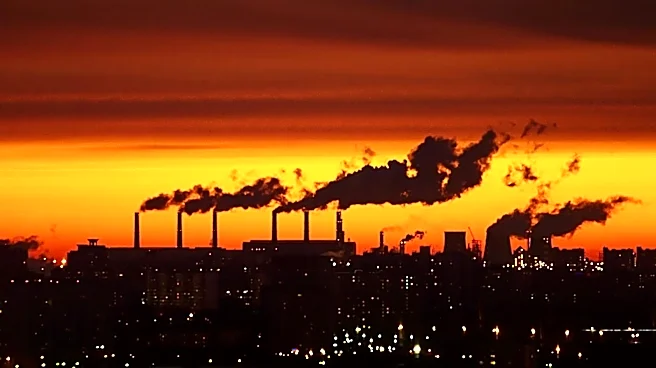
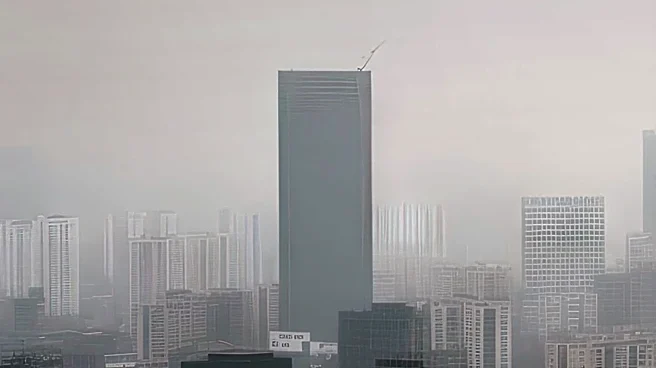
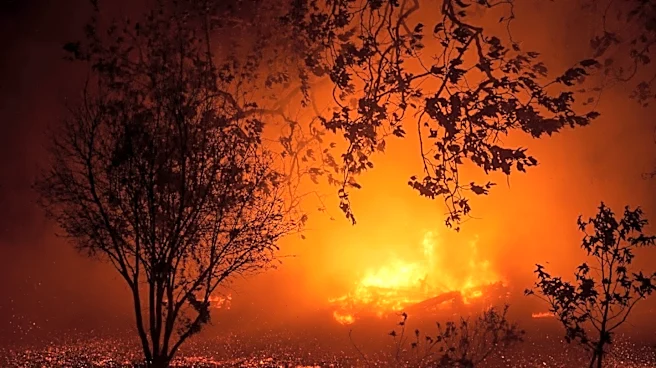
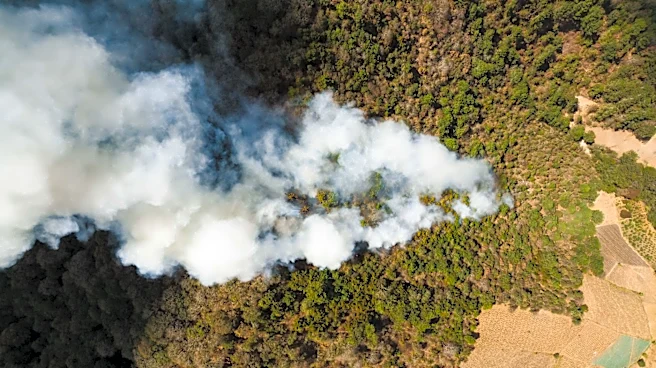
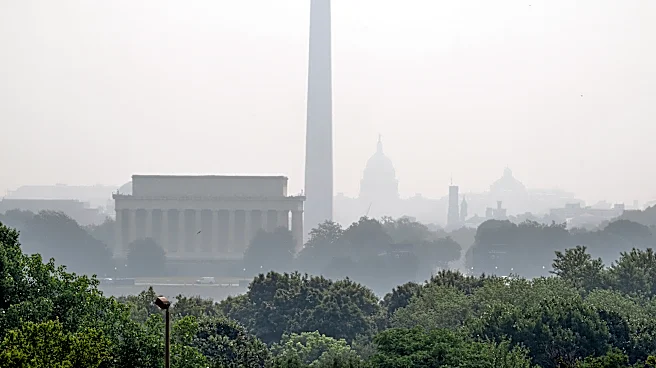
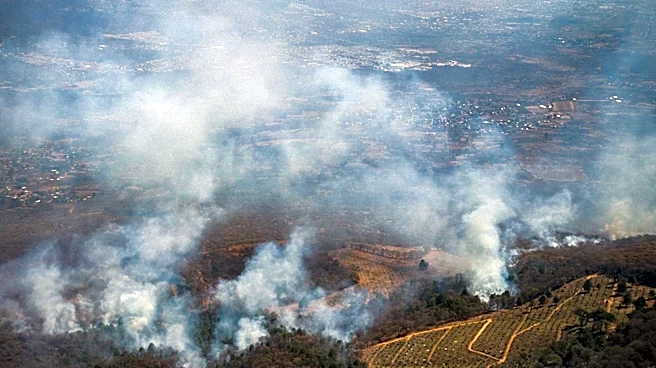
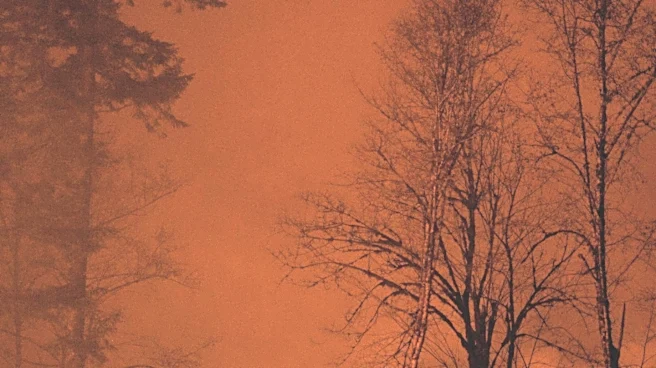
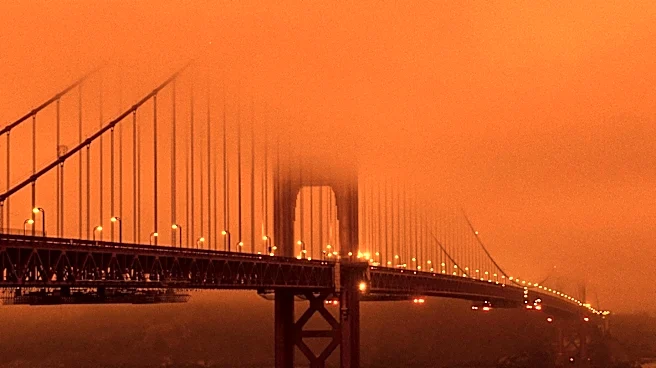
Wildfire smoke from Canadian wildfires has significantly impacted air quality across the northern U.S., with hazardous levels reported in the Upper Midwest and very unhealthy levels in the Northeast. However, relief is on the horizon as severe storms
are expected to move into the region, helping to clear the smoke. More than 125 million Americans in 18 states remain under Air Quality Alerts, but the smoke is beginning to shift out of the country. The FOX Forecast Center indicates that while the smoke will clear temporarily, it may return with another cold front early next week, particularly affecting the Upper Midwest and western Great Lakes.
Why It's Important?
The improvement in air quality is crucial for public health, as prolonged exposure to wildfire smoke can lead to respiratory issues and exacerbate existing health conditions. The storms provide a temporary reprieve, but the potential return of smoke highlights the ongoing challenges posed by wildfires, even those originating from outside the U.S. This situation underscores the interconnectedness of environmental issues across borders and the need for coordinated responses to air quality management. The economic impact is also notable, as poor air quality can affect outdoor activities, tourism, and local economies.
What's Next?
As the storms move through, air quality is expected to improve, but monitoring will continue to assess the potential return of smoke. Authorities may issue further air quality alerts and advisories, particularly if the smoke returns with the next cold front. Efforts to address the root causes of wildfires and improve cross-border environmental cooperation may gain momentum. Public health agencies will likely continue to provide guidance on minimizing exposure to poor air quality, especially for vulnerable populations.