




What's Happening?
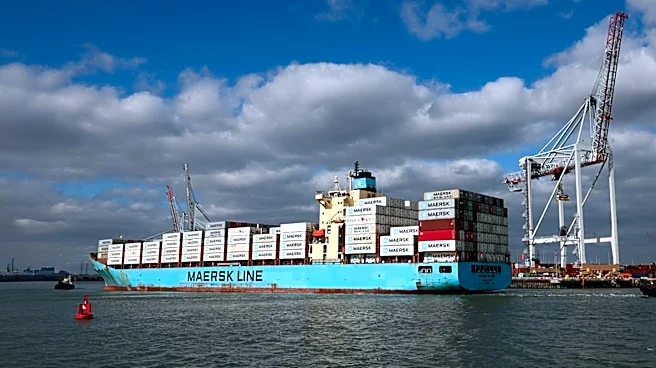
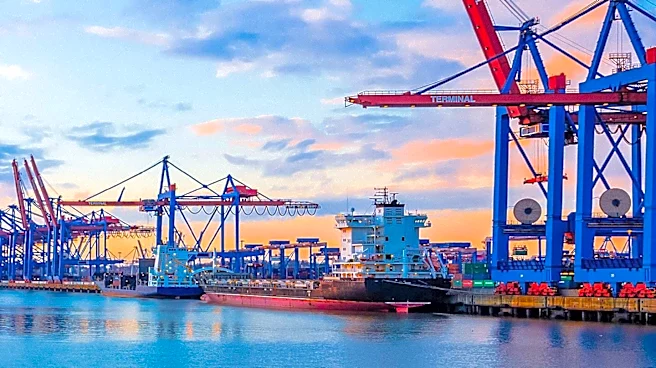
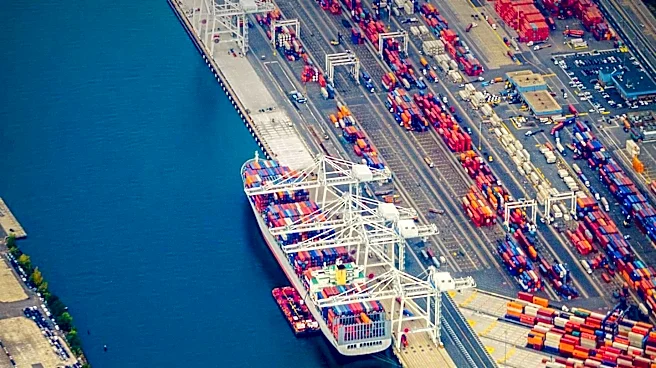
Repsol has successfully completed a significant bunkering operation by supplying 2,800 tons of bioethanol to the Maersk container vessel, Antonia Maersk, at the Port of Barcelona. This marks the first operation of its kind in the port and one of the first in the Mediterranean
region. The operation underscores the growing demand for alcohol-based marine fuels and demonstrates the readiness of the necessary infrastructure and logistics to support their commercial-scale deployment. Repsol's initiative is part of its broader multi-energy strategy, which includes conventional marine fuels, renewable fuels, and emerging low-carbon solutions. The operation was carried out by Repsol's bunker vessel, Bahía Candela, which used its battery system to complete the fuel transfer with zero local emissions, further reducing the environmental impact.
Why It's Important?
This development is crucial as it highlights a significant step towards the decarbonization of maritime transport, a sector traditionally reliant on high-emission fuels. By successfully supplying bioethanol, Repsol and Maersk are paving the way for the adoption of lower-emission solutions in shipping, which is essential for meeting global climate targets. The operation also demonstrates the potential for alcohol-based fuels to be integrated into existing maritime fuel supply chains, offering a scalable and sustainable alternative. This initiative could influence other shipping companies to explore similar low-carbon fuel options, potentially leading to a broader industry shift towards sustainable practices.
What's Next?
Following this successful operation, Maersk plans to continue exploring ethanol as a viable alternative fuel for its fleet, which includes 23 dual-fuel vessels designed to operate on methanol. The company is working with port authorities and industry partners to develop the necessary infrastructure and procedures to support ethanol bunkering. This collaboration between Repsol, Maersk, and the Port of Barcelona serves as a practical blueprint for future deployments across the Mediterranean and other strategic maritime hubs. The ongoing trials and developments could accelerate the establishment of new, viable liquid marine fuel markets, further advancing the maritime sector's energy transition.