







What's Happening?
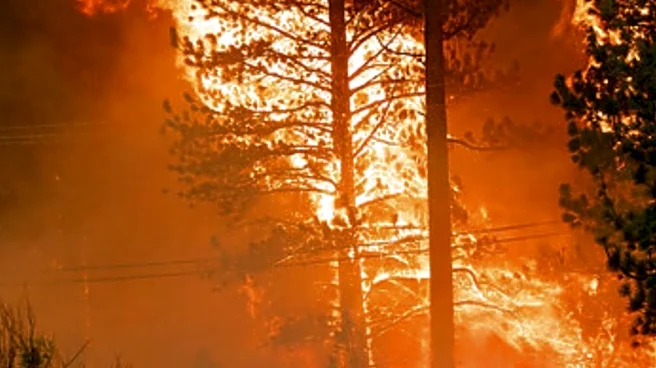
Fire officials in Nevada are cautioning pilots and drone operators about the increasing number of unauthorized flights entering restricted airspace, which is significantly disrupting wildfire suppression efforts. On August 16, an unauthorized aircraft
entered a temporary flight restriction zone while crews were battling the Bug and Stallion fires. This incursion forced firefighting aircraft, including helicopters, to halt operations for approximately 15 minutes. Sean Cox, Air Operations Branch Director with the Southwest Incident Management Team, stated that the identity of the unauthorized aircraft was not immediately known. Fire teams collaborate with the Federal Aviation Administration (FAA) to establish temporary flight restrictions in areas where aerial firefighting resources, such as helicopters and air tankers, are deployed to drop water and retardant on large-scale fires. Cox emphasized that unauthorized drones and other aircraft are becoming a nationwide problem, impeding critical firefighting activities and raising significant safety concerns for both ground and air crews.
Why It's Important?
The disruption caused by unauthorized flights in wildfire zones poses a critical threat to public safety and property, as it directly impedes the effectiveness of firefighting operations. When aerial resources are grounded, even for short periods, wildfires can spread more rapidly and become more difficult to contain, increasing the risk to communities, infrastructure, and natural resources. This issue highlights a growing challenge for emergency services, as the proliferation of drones and private aircraft makes airspace management more complex during critical incidents. The safety of pilots and ground crews is also jeopardized by the presence of unknown aircraft in restricted zones, which can lead to mid-air collisions or other hazardous situations. The financial implications are also significant, as prolonged firefighting efforts due to disruptions incur higher costs for federal and state agencies, ultimately impacting taxpayer resources. Furthermore, these incidents underscore the need for greater public awareness and adherence to aviation regulations, particularly in emergency situations where lives and property are at stake.
What's Next?
In response to the escalating problem, fire officials are expected to continue and potentially intensify public awareness campaigns regarding temporary flight restrictions (TFRs) during wildfire incidents. This may involve increased communication through local media, social media, and direct outreach to pilot and drone operator communities. The Federal Aviation Administration (FAA) may also consider stricter enforcement measures and penalties for individuals who violate these restricted airspaces. There could be a push for enhanced technological solutions, such as drone detection systems, to identify and track unauthorized aircraft more effectively. Additionally, inter-agency collaboration between fire management teams, law enforcement, and aviation authorities is likely to be strengthened to ensure a coordinated response to these incursions. The ongoing challenge will be to balance public access to airspace with the critical need for unimpeded emergency operations, potentially leading to policy discussions on how to better regulate drone usage in sensitive areas.
Beyond the Headlines
The issue of unauthorized flights disrupting wildfire operations extends beyond immediate safety concerns, touching upon broader themes of airspace governance and the responsible use of emerging technologies. The increasing accessibility of drones to the general public creates a complex regulatory environment, where individual recreational use can inadvertently conflict with critical public safety missions. This situation highlights a societal challenge in adapting existing regulations and public behavior to rapid technological advancements. There's an ethical dimension concerning the responsibility of drone operators to be aware of and comply with flight restrictions, especially when their actions can have severe consequences for emergency responders and affected communities. Long-term, this trend could necessitate a re-evaluation of how temporary flight restrictions are communicated and enforced, potentially leading to more dynamic and real-time notification systems. It also underscores the need for comprehensive education programs to foster a culture of responsible drone operation, emphasizing the potential dangers and legal ramifications of flying in restricted zones.