




What's Happening?
The UNHCR has issued a call for urgent action following a nearly 20% increase in deaths and disappearances on irregular sea routes to Europe during the first nine months of 2026 compared to the same period in 2025. The total number of fatalities and disappearances rose
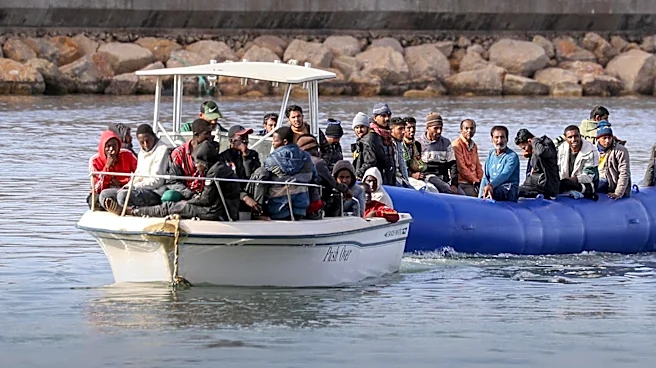
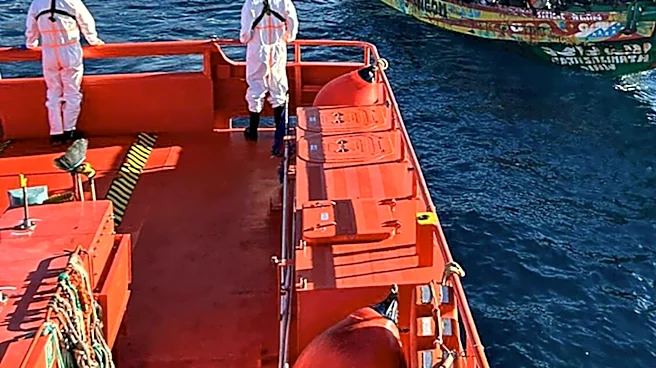
from 2,100 to 2,500. The central Mediterranean route, from North Africa to southern Italy and Malta, remains the deadliest single corridor, accounting for over 1,000 deaths or missing persons, despite a more than 50% decline in overall arrivals on this route. The Eastern Mediterranean route saw an 80% increase in recorded deaths and disappearances. In response, the UNHCR has launched its 'Global Initiative on Protection at Sea 2.0,' aiming to strengthen governmental search-and-rescue missions, improve conditions in disembarkation ports, and ensure earlier access to asylum procedures. The agency also highlighted dangers beyond sea journeys, including human trafficking and exploitation on land routes.
Why It's Important?
The escalating death toll on migrant sea routes to Europe underscores a critical humanitarian crisis with significant implications for international policy and human rights. The increase in fatalities, even as arrivals on some routes decline, suggests that journeys are becoming more perilous, potentially due to more desperate measures taken by migrants or more dangerous smuggling tactics. This situation places immense pressure on European nations and international bodies to address the root causes of migration, enhance search-and-rescue operations, and establish safer, legal pathways for those seeking asylum or better opportunities. The crisis also highlights the failures of current policies to deter dangerous crossings effectively, leading to preventable loss of life. For the U.S., while not directly on these routes, the issue resonates with broader debates on immigration, border security, and humanitarian responsibilities, influencing its foreign policy and aid strategies towards regions experiencing significant outward migration.
What's Next?
The UNHCR's 'Global Initiative on Protection at Sea 2.0' will seek to mobilize international solidarity and action. This will involve increased communication and cooperation among countries affected by mass migration, as well as efforts to raise awareness about the dangers. Member states of the European Union and other international partners will face renewed calls to commit more resources to search-and-rescue operations and to develop more humane and effective migration management strategies. Discussions will likely intensify regarding burden-sharing among nations, the role of non-governmental organizations in rescue efforts, and the implementation of policies that address both the immediate safety of migrants and the long-term challenges of irregular migration. The initiative also aims to improve conditions at disembarkation points and streamline asylum processes, which could lead to policy reforms in destination countries.
Beyond the Headlines
The persistent and increasing loss of life at sea reflects a deeper ethical dilemma for the international community: balancing national sovereignty and border control with humanitarian obligations. The crisis exposes the vulnerabilities of individuals fleeing conflict, persecution, or economic hardship, often falling prey to exploitative human trafficking networks. Beyond the immediate tragedy, the situation fuels political debates within European nations, contributing to the rise of anti-immigrant sentiment and shaping electoral outcomes. The long-term implications include potential shifts in international law regarding maritime rescue and asylum, as well as increased scrutiny of the role of countries of origin and transit in preventing dangerous departures. The crisis also highlights the need for comprehensive development and stability initiatives in North Africa and other regions to address the underlying drivers of migration, thereby reducing the desperation that leads individuals to undertake such perilous journeys.