


What's Happening?
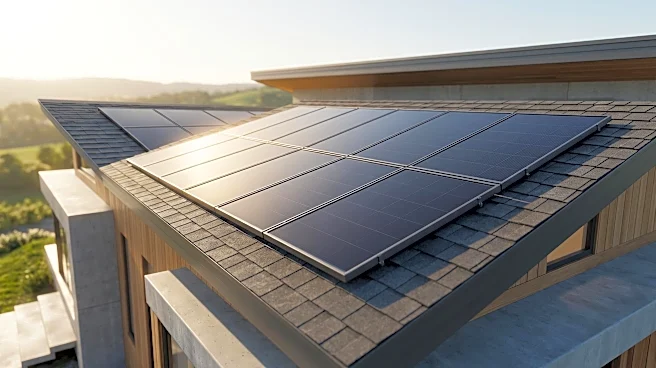
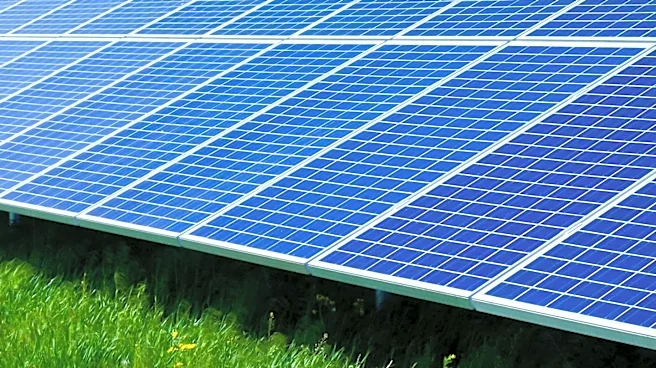
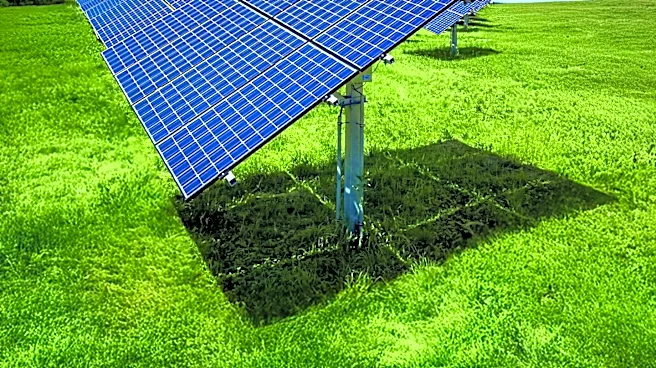
The Greek government is implementing a new framework to simplify self-consumption rules for solar energy, allowing for the use of microsolar systems up to 800 W and enabling collective self-consumption in apartment buildings. This initiative is part of a broader
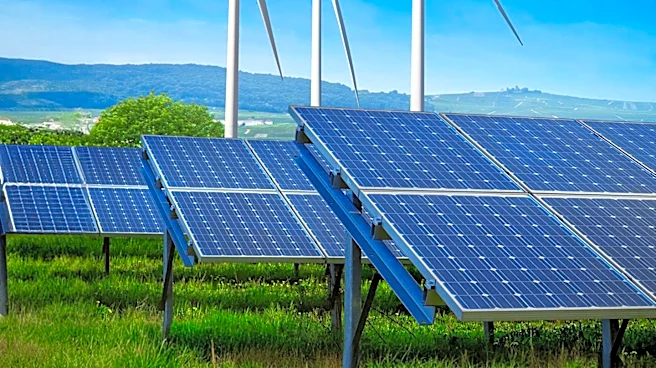
plan to reduce electricity prices by 30% over the next three years, backed by a total funding of EUR 5 billion. The plan emphasizes renewable energy development, particularly in photovoltaics, and significantly focuses on energy storage, with a target of 5-7 GW of operational batteries by the end of the decade. Measures also include reducing the common benefit surcharge on power bills, providing green heating solutions, and installing smart meters to combat energy theft and consumer arrears. The government aims to install 316 MW of solar and 295 MW of batteries on Greek islands, supported by EUR 970 million.
Why It's Important?
This comprehensive energy strategy in Greece is important as it addresses multiple facets of energy policy, from consumer costs to renewable energy integration and grid stability. By simplifying self-consumption and promoting microsolar systems, the government is empowering individual citizens and smaller entities to participate more actively in energy generation, fostering energy independence and reducing reliance on centralized grids. The substantial investment in energy storage, particularly batteries, is crucial for stabilizing the grid and maximizing the utilization of intermittent renewable sources like solar and wind. This approach could serve as a model for other nations grappling with high energy prices and the transition to cleaner energy, demonstrating how policy and financial incentives can drive significant shifts in energy infrastructure and consumer behavior. The focus on reducing electricity prices directly impacts household budgets and business operating costs, potentially stimulating economic activity.
What's Next?
The Greek Ministry is expected to present the new framework for self-consumption shortly, which will detail the simplified rules for microsolar systems and collective self-consumption. The government will continue to channel funds, including EUR 400 million from the Resilience and Recovery Fund and EUR 200 million from the Social Climate Fund, towards energy storage projects. Competitive auctions for large renewable plants and standalone projects will take place, each receiving EUR 50 million. The rollout of smart meters is anticipated to proceed, aiming to curb consumer arrears and energy theft. Further investments in electricity interconnections for the Greek islands, dams, dual-use water reservoirs, and electric car charging infrastructure are also planned. The success of these initiatives will be closely monitored as Greece aims to achieve its ambitious renewable energy and price reduction targets.
Beyond the Headlines
The Greek government's energy plan extends beyond immediate economic relief and environmental goals, touching upon broader societal and technological shifts. The emphasis on collective self-consumption in blocks of flats could foster community-level energy initiatives and a sense of shared responsibility for energy production and consumption. The promotion of standalone batteries without injection to the grid highlights a move towards decentralized energy solutions, potentially reducing strain on the national grid and increasing energy resilience in local communities. Furthermore, the plan's focus on combating energy theft and consumer arrears through smart meters underscores the importance of digital infrastructure in modern energy management and its role in ensuring equitable distribution of energy costs. This holistic approach could lead to a more democratized and sustainable energy landscape, with long-term implications for urban planning, technological adoption, and citizen engagement in energy policy.