








What's Happening?
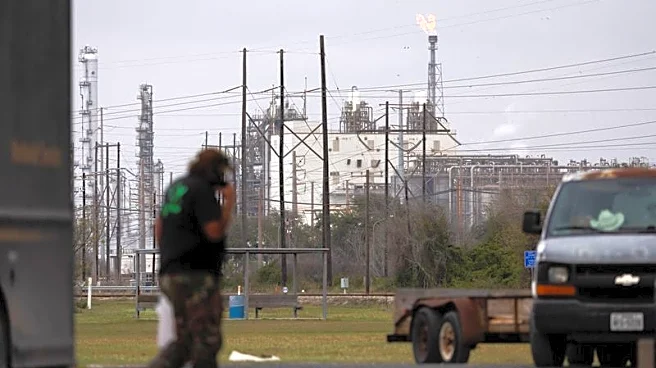
In Lowell, Massachusetts, the presence of a data center operated by the Markley Group has become a focal point of community tension, particularly as a heat wave exacerbates environmental concerns. Residents, including Eileen Castle, have expressed worries
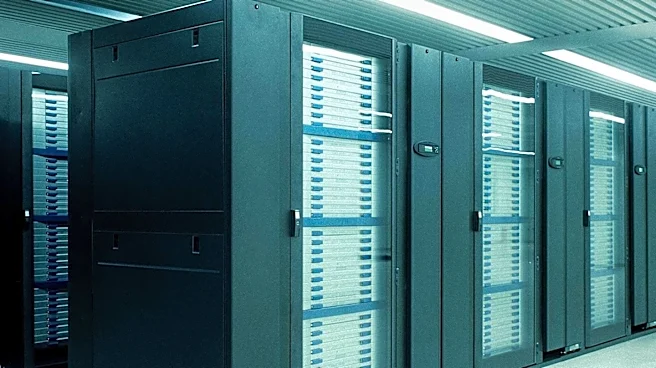
about the impact of the data center's operations on local air quality and water resources. The facility, which uses significant amounts of electricity and water to cool its servers, has been criticized for its environmental footprint, especially in the racially diverse Sacred Heart neighborhood. The data center's reliance on backup diesel generators during power grid strains has further heightened these concerns. The local government has responded by imposing a moratorium on further data center expansion for a year, reflecting the community's growing unease with the rapid development of such facilities.
Why It's Important?
The situation in Lowell highlights the broader challenges faced by communities hosting data centers, particularly as the demand for artificial intelligence and data processing grows. These facilities, while essential for technological advancement, pose significant environmental and health risks, especially in low-income and historically marginalized neighborhoods. The increased electricity and water usage, along with potential air quality degradation from diesel emissions, underscore the need for sustainable practices in the tech industry. The tensions in Lowell also reflect a national debate on balancing technological growth with environmental stewardship and community well-being. As data centers become more prevalent, similar conflicts may arise in other parts of the country, necessitating careful consideration of their placement and operational practices.
What's Next?
The moratorium on data center expansion in Lowell provides a temporary pause for the community and local government to assess the impact of these facilities. It is likely that discussions will continue regarding the implementation of stricter environmental regulations and community engagement in decision-making processes. The tech industry may also face increased pressure to adopt more sustainable practices and technologies to mitigate their environmental impact. As the demand for data processing continues to rise, finding a balance between technological advancement and environmental responsibility will be crucial. Stakeholders, including local governments, tech companies, and community groups, will need to collaborate to address these challenges effectively.