


What's Happening?
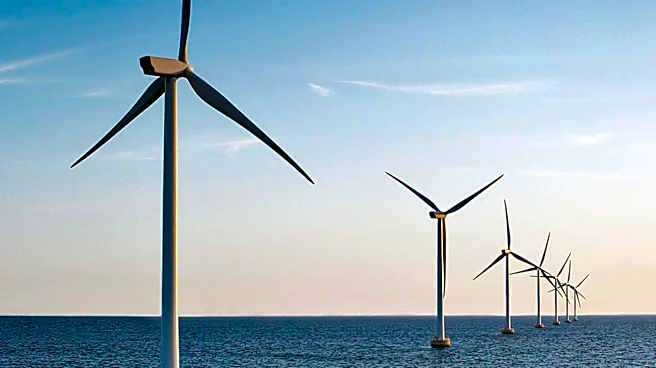
The Trump administration has canceled offshore wind leases in the Gulf of Maine, paying off companies to walk away from their leases. Despite this setback, coastal states like Maine and California are preparing for an offshore wind industry comeback.
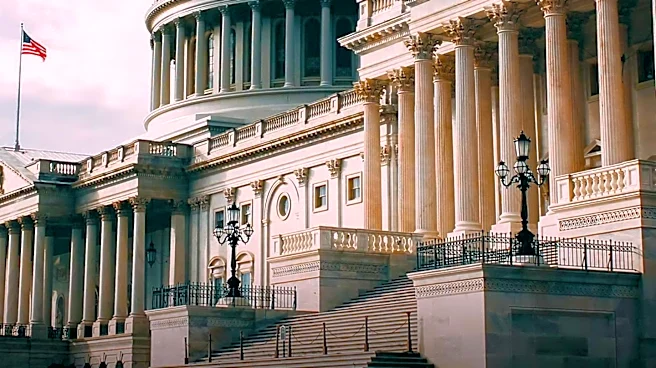
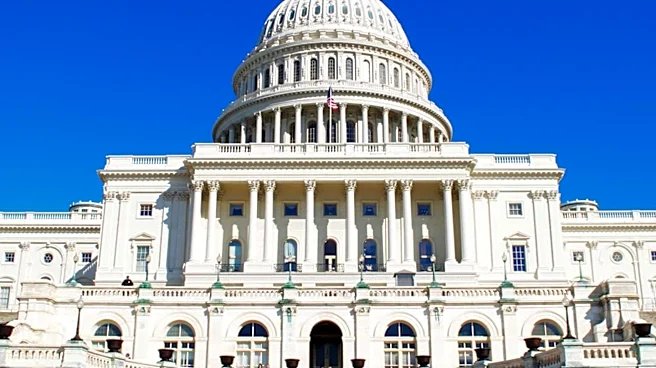
New legislation proposed by Senators Alex Padilla and Angus King aims to fast-track development of wind energy sites, excluding original lease holders from future auctions. The legislation seeks to offer abandoned lease areas to adjacent lease holders at the original auction price, promoting rapid development of offshore wind projects.
Why It's Important?
The cancellation of offshore wind leases by the Trump administration has significant implications for the U.S. renewable energy sector. Offshore wind is a critical component of clean energy strategies, capable of powering millions of homes. The buyouts have disrupted potential job creation and economic growth in coastal states. However, the pushback from states and proposed legislation highlight the resilience and determination to advance renewable energy initiatives despite federal obstacles. This situation underscores the importance of state-level action in driving clean energy progress and mitigating the impact of federal policy decisions.
What's Next?
The proposed legislation by Senators Padilla and King could reshape the offshore wind landscape by enabling rapid development of wind energy sites. If passed, it would prevent original lease holders from re-entering the market, potentially accelerating the deployment of offshore wind projects. The legislation's success depends on overcoming political hurdles, particularly with the current Republican majority in Congress. Coastal states are likely to continue advocating for renewable energy development, leveraging public support and economic incentives to drive progress.
Beyond the Headlines
The offshore wind lease buyouts reflect broader political dynamics affecting renewable energy development in the U.S. The situation highlights the tension between federal and state priorities, with states increasingly taking the lead in advancing clean energy initiatives. The legislative efforts to counteract the buyouts demonstrate the potential for state-level innovation and collaboration in overcoming federal challenges. This development could influence future energy policy, encouraging more decentralized approaches to renewable energy deployment.