





What's Happening?
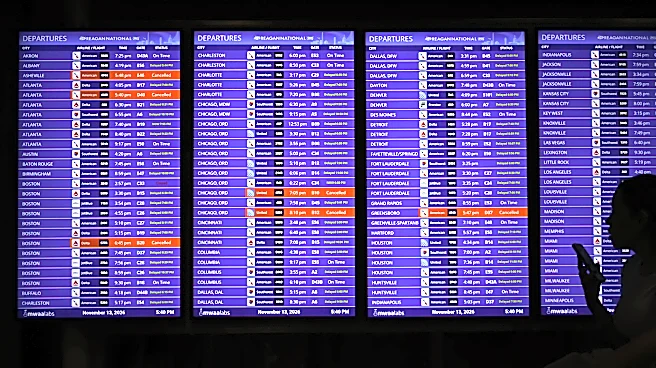
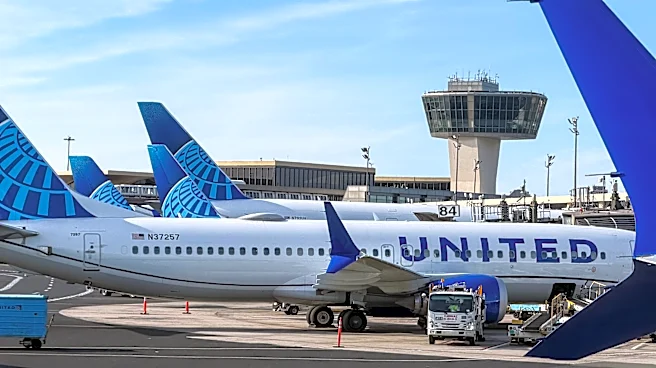
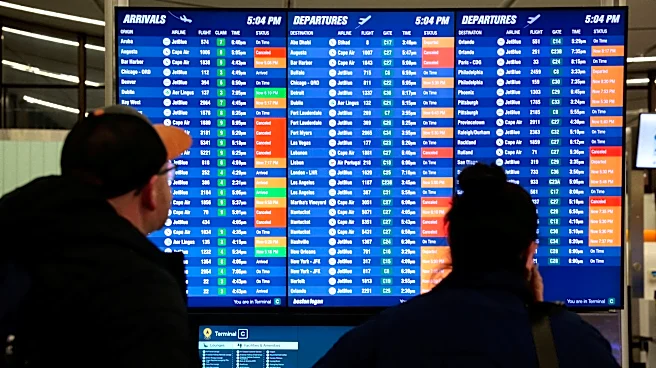
A nationwide ground stop in the U.S. led to significant travel disruptions, including the cancellation of thousands of flights and the stranding of passengers across the country. The Federal Aviation Administration (FAA) initiated the ground stop due
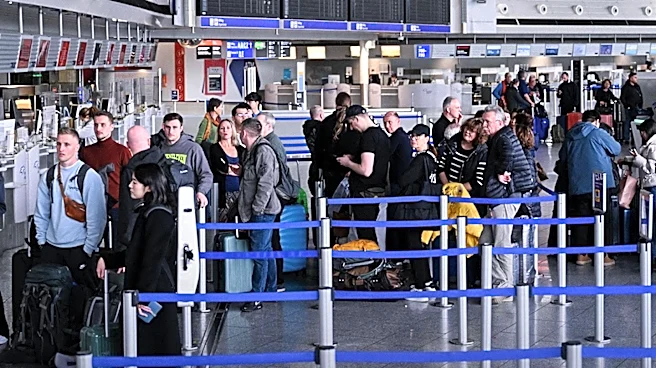
to a telecommunications issue affecting air traffic operations. At New York's Kennedy Airport (JFK), passengers like Riley Alexis Holmes, 24, who was en route to Oregon for her brother's musical closing night, experienced lengthy delays and eventual flight cancellations. Juliana Melo, 30, from São Paulo, Brazil, was also stranded at JFK, anxious to return to her one-year-old daughter. The FAA stated the grounding was an 'abundance of caution' measure, but specific details regarding the cause of the communications failure were not immediately provided. The disruption impacted not only domestic travelers but also those on international routes, with airlines like Delta offering options for refunds or rescheduling, though with conditions.
Why It's Important?
This incident highlights the critical reliance of the U.S. air travel system on robust and uninterrupted communication infrastructure. A single telecommunications failure can cascade into a nationwide shutdown, affecting millions of travelers, disrupting personal plans, and causing significant economic losses for airlines and related industries. The event underscores potential vulnerabilities in the nation's air traffic control systems, raising questions about the resilience and modernization efforts of critical infrastructure. For individuals, such disruptions lead to immense frustration, missed personal and professional commitments, and unexpected financial burdens. The lack of immediate, clear information from authorities further exacerbates passenger anxiety, emphasizing the need for transparent and timely communication during crises.
What's Next?
While the nationwide ground stop was eventually lifted, the repercussions are expected to continue for an extended period. Airlines will face the challenge of repositioning aircraft and crews, leading to ongoing delays and cancellations as they work to normalize schedules. Passengers who were stranded will need to rebook flights, potentially facing limited availability and increased costs. The FAA is expected to conduct a thorough investigation into the cause of the telecommunications failure to prevent future occurrences. This incident may also prompt renewed scrutiny and calls for increased investment in modernizing the U.S. air traffic control system to enhance its reliability and security against similar disruptions.
Beyond the Headlines
The widespread chaos caused by this ground stop extends beyond immediate travel inconveniences, touching upon broader issues of national infrastructure resilience and public trust. The incident serves as a stark reminder of how interconnected modern systems are and how a single point of failure can have far-reaching consequences. It also brings to light the emotional toll on travelers, many of whom, like Riley Alexis Holmes, expressed deep disappointment and anxiety over missed life events. The event could spark a national conversation about the balance between cost-efficiency and the need for redundant, fail-safe systems in critical sectors, potentially influencing future policy decisions regarding infrastructure spending and technological upgrades.