







What's Happening?
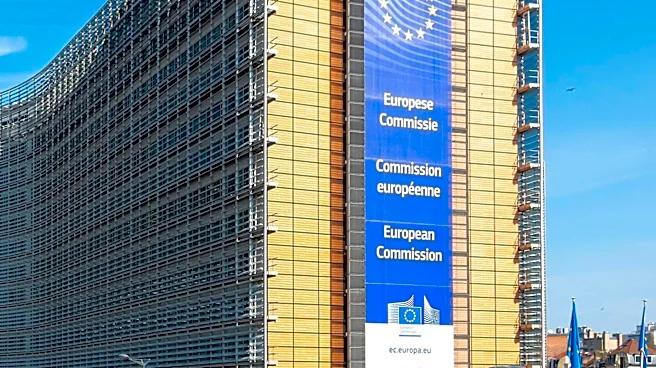
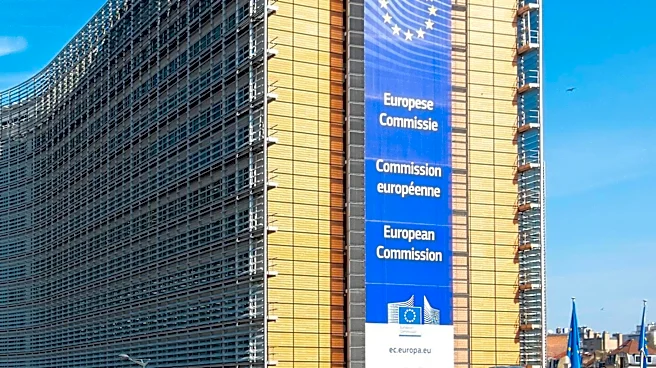
Media outlets, journalist associations, and press freedom organizations have collectively sent an open letter to European Commission President Ursula von der Leyen. The letter expresses significant frustration regarding a perceived decline in the European Union's
freedom of information. Signatories, including Follow the Money, EUobserver, Investigate Europe, the International Federation of Journalists, the International Consortium of Investigative Journalism, and the Organised Crime and Corruption Reporting Project, highlight several issues. These include excessive redactions and prolonged delays in accessing documents under Regulation 1049/2001, the Commission's failure to retain crucial documents such as von der Leyen's text messages with Pfizer CEO Albert Bourla, and a controversial 2024 change to internal rules that narrowed the definition of what constitutes a 'document' and restricted access to certain areas of the Commission's work. Tom Gibson of the Committee to Protect Journalists has requested a meeting with von der Leyen's cabinet to discuss these concerns and seek improvements. Additionally, the European Ombudswoman has launched an investigation into EUobserver's complaint against the Commission for refusing to release documents related to EU spending on projects in Gaza.
Why It's Important?
The concerns raised by media groups underscore a critical challenge to transparency and press freedom within the European Union, which could have implications for how the U.S. views and interacts with EU governance. A lack of transparency in EU institutions can hinder the ability of journalists to scrutinize matters of public importance, such as the allocation of post-Covid recovery funds or arms research cooperation. This situation could lead to a perception of double standards, as the European Commission purports to uphold press freedom externally while allegedly creating obstacles internally. For U.S. stakeholders, particularly those involved in international journalism, human rights advocacy, or diplomatic relations, the EU's commitment to transparency is a benchmark for democratic governance. If the EU's internal transparency mechanisms are weakened, it could set a precedent that undermines global efforts to promote open government and accountability, potentially affecting U.S. foreign policy objectives that prioritize democratic values and press freedom.
What's Next?
The Committee to Protect Journalists' Tom Gibson is seeking a meeting with President von der Leyen's cabinet to discuss the issues raised in the open letter and propose improvements. The European Ombudswoman has demanded a response from the European Commission by November 4 regarding EUobserver's complaint about the Gaza documents. If the Commission fails to deliver, the Ombudswoman will review the documents herself. Furthermore, Lighthouse Reports is formally challenging the secrecy surrounding data centers' environmental impact under the Aarhus Convention, a process that could take years for a ruling. These actions indicate ongoing pressure on the European Commission to address transparency concerns, with potential for further investigations, policy changes, or legal challenges in the coming months. The outcome of these efforts will likely determine the future landscape of freedom of information within the EU and could influence how international bodies and nations, including the U.S., perceive the EU's commitment to transparency.
Beyond the Headlines
The ongoing debate over transparency within the European Commission, particularly concerning high-profile issues like vaccine procurement and spending in conflict zones, highlights a deeper tension between governmental efficiency and public accountability. The alleged difficulties faced by the European Public Prosecutor's Office (EPPO) in investigating high-profile individuals, as noted by EPPO chief prosecutor Laura Codruța Kövesi, suggest a systemic challenge to the rule of law when powerful figures are involved. This situation raises ethical questions about the balance of power and the potential for political influence to impede justice. The broader implication is a potential erosion of public trust in EU institutions, which could foster cynicism and disengagement among citizens. For the U.S., a less transparent and less accountable EU could complicate diplomatic efforts and shared initiatives, as a strong, democratic, and transparent EU is often seen as a key partner in global governance and upholding democratic norms.