
What's Happening?
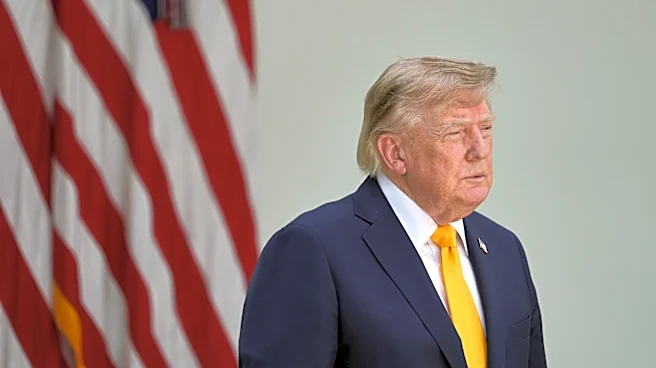
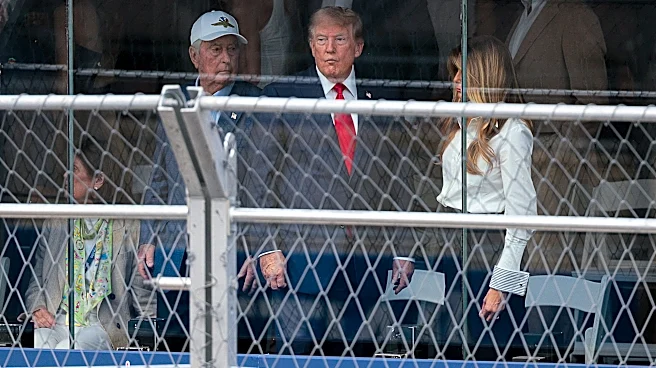
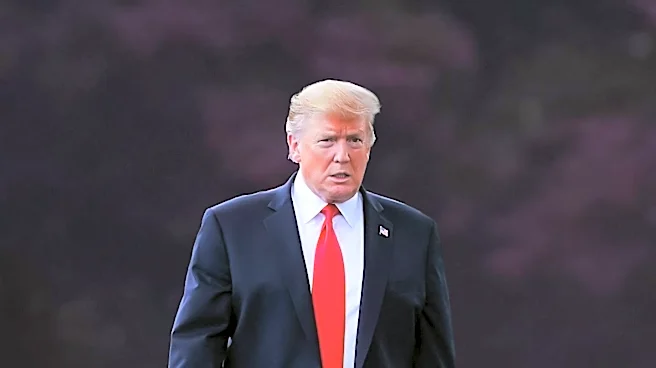
President Trump reportedly considers himself among the most powerful and influential figures in human history, placing himself in a self-curated list alongside historical giants such as Alexander the Great,
Julius Caesar, William the Conqueror, Adolph Hitler, Mao Zedong, and Joseph Stalin. This perspective was highlighted by New York Times reporters Maggie Haberman and Jonathan Swan in discussions about their book, 'Regime Change: Inside the Imperial Presidency of Donald Trump.' According to their reporting, President Trump was told by an individual he described as a historian that his power and capacity to change the world surpassed these historical figures. President Trump reportedly embraced this assessment, noting his global reach through modern advancements like airplanes, which were unavailable to ancient leaders. Haberman and Swan observed President Trump's 'untroubled ease' in accepting a place among those who reshaped the world through conquest and fear, noting his apparent lack of distinction between builders and destroyers.
Why It's Important?
This reported self-perception of President Trump is significant as it may offer insight into his decision-making processes and his approach to both domestic and international policy during his second term. The comparison to figures known for their autocratic rule and willingness to reshape the world through force suggests a mindset that could lead to bold and potentially controversial actions. Such a view might explain what some perceive as reckless decisions and an indifference to certain domestic issues, as his focus could be on a larger, world-altering agenda. The historical figures cited often met with significant downfalls despite their initial successes, raising questions about whether President Trump considers the potential negative consequences of such ambition. This perspective could influence how he exercises presidential authority, particularly in foreign affairs, as he reportedly dreams of reshaping the world without anticipating a heavy price.
What's Next?
The reported mindset of President Trump, viewing himself as a world-historical figure, suggests a continued pursuit of policies aimed at leaving a significant global imprint. This could manifest in further assertive foreign policy actions, potentially including military interventions or significant diplomatic shifts, as seen with the reported invasion of Venezuela and the war against Iran. Domestically, this perspective might lead to continued efforts to reshape national institutions or infrastructure, such as the reported bulldozing of the East Wing of the White House for a ballroom. Reactions from political leaders, international bodies, and civil society groups are likely to be varied, ranging from support for strong leadership to strong opposition against perceived overreach or authoritarian tendencies. The long-term implications of such a presidency, driven by a desire to fundamentally alter the global landscape, remain to be seen.
Beyond the Headlines
The reported self-perception of President Trump as a 'world-historical individual' raises profound ethical and philosophical questions about leadership, power, and legacy. The comparison to figures like Ramses II, as referenced in Lord Byron's 'Ozymandias,' highlights the transient nature of even the most immense power and the potential for hubris to lead to ultimate downfall. This perspective suggests a leader who may prioritize grand, transformative actions over incremental policy changes or consensus-building, potentially leading to significant societal and geopolitical shifts. The lack of distinction between those who built and those who destroyed, as noted by Haberman and Swan, could imply a utilitarian view of power where the end goal justifies any means. This could trigger debates about the moral responsibilities of leaders and the long-term consequences of actions driven by a desire for historical greatness, potentially at the expense of democratic norms or international stability.