





What's Happening?
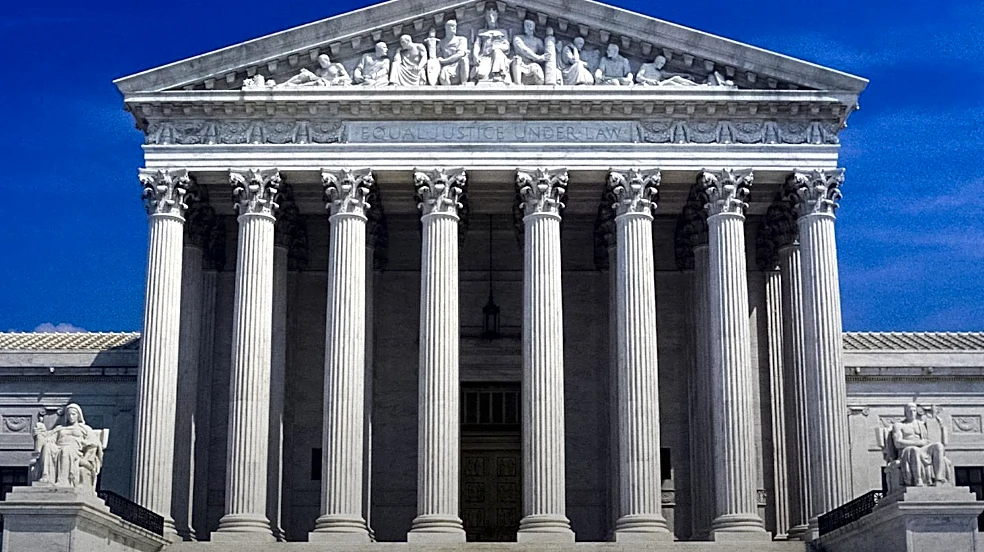
The landmark 1940 U.S. Supreme Court case, Minersville School District v. Gobitis, will be the subject of an upcoming discussion in the America250 Speaker Series. Attorney Edward M. Brennan is scheduled to present on the case at 7 p.m. on October 22 at the Valley
Road Venue in Duncott. The case involved Lillian and Billy Gobitis, two Jehovah's Witness students from Minersville, Pennsylvania, who were expelled from school for refusing to participate in a compulsory flag salute. Their father, Walter Gobitis, sued the school district, arguing that the mandate violated his children's First and Fourteenth Amendment rights to freedom of religion and speech. The Supreme Court, in an 8-1 decision written by Justice Felix Frankfurter, ruled that public schools could legally compel students to salute the American flag or recite the Pledge of Allegiance, even if it conflicted with their religious beliefs. This decision overturned earlier rulings by the U.S. District Court and the Third Circuit U.S. Court of Appeals, which had found the policy unconstitutional.
Why It's Important?
The Minersville School District v. Gobitis case is a pivotal moment in American legal history, particularly concerning the interpretation of religious freedom and free speech under the First Amendment. The Supreme Court's ruling prioritized national unity and patriotic expression over individual religious convictions, setting a precedent that allowed public schools to enforce mandatory flag salutes. This decision had immediate and severe consequences, leading to widespread violence and persecution against Jehovah's Witnesses across the country, as highlighted by First Lady Eleanor Roosevelt's appeal for calm. The case underscored the tension between governmental authority to foster national cohesion and the protection of minority religious rights. It demonstrated how judicial decisions can profoundly impact civil liberties and social harmony, prompting a reevaluation of the balance between individual freedoms and state interests.
What's Next?
Although the Minersville School District v. Gobitis decision initially upheld compulsory flag salutes, its legal standing was short-lived. Just three years later, on Flag Day, June 14, 1943, the Supreme Court effectively reversed its own decision in the case of West Virginia State Board of Education v. Barnette. This subsequent ruling affirmed that students could not be compelled to salute the flag or recite the Pledge of Allegiance if it violated their religious or conscientious beliefs, thereby strengthening the protection of First Amendment rights. The upcoming speaker series discussion will likely delve into the historical context, the legal arguments, and the societal impact of the Gobitis decision, as well as its eventual reversal, providing insights into the evolving understanding of constitutional freedoms in the U.S. The event aims to educate the public on this significant chapter in American jurisprudence.
Beyond the Headlines
The Gobitis case and its subsequent reversal in Barnette illustrate the dynamic nature of constitutional interpretation and the judiciary's role in safeguarding individual liberties. It highlights the importance of dissenting opinions, such as Justice Harlan F. Stone's in Gobitis, which often lay the groundwork for future legal shifts. The societal backlash against Jehovah's Witnesses following the Gobitis ruling serves as a powerful reminder of the potential for judicial decisions to fuel intolerance and the critical need for robust protections for minority rights. This historical episode underscores the ongoing challenge of balancing collective civic duties with fundamental personal freedoms, a tension that continues to be debated in various forms in contemporary American society. The case remains a crucial study in the evolution of civil rights and the protection of religious and expressive freedoms.