



What's Happening?
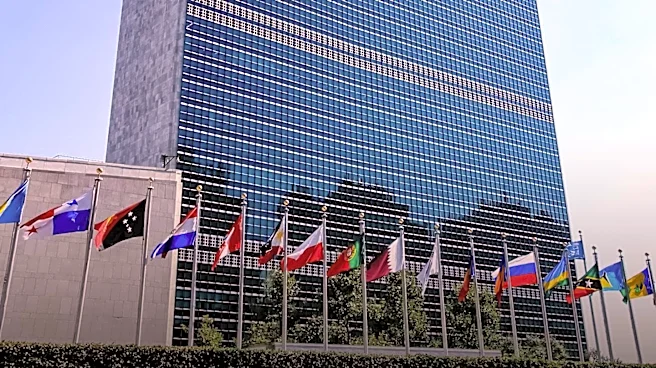
UN Secretary-General António Guterres recently visited the UN Tourism headquarters in Madrid, marking the first such visit by a sitting UN chief since 2007. This visit underscores the growing importance of tourism on the multilateral agenda. UN Tourism Secretary-General Shaikha
Al Nuwais welcomed Mr. Guterres, commending his dedication to peace, understanding, and diplomacy, and recognizing him as a champion of multilateralism. During his address to UN Tourism personnel, Secretary-General Guterres reaffirmed tourism's significant role within the broader mission of the United Nations. He specifically highlighted its contributions to advancing sustainability, fostering international cooperation, and creating opportunities for developing economies. The visit also acknowledged UN Tourism's enhanced presence within the global agenda and stressed the importance of its collaboration with UN country teams to deliver expertise directly to communities.
Why It's Important?
This high-level visit by the UN Secretary-General signals a significant elevation of tourism's status within global policy discussions. It reinforces the idea that tourism is not merely an economic activity but a crucial tool for achieving broader UN objectives, particularly the Sustainable Development Goals. For developing economies, this recognition can translate into increased support and resources for sustainable tourism initiatives, potentially leading to job creation, infrastructure development, and poverty reduction. The emphasis on international cooperation suggests a push for more coordinated global efforts in managing tourism's impacts and benefits. Furthermore, the call for UN Tourism to work closely with UN country teams indicates a strategic shift towards more localized and impactful interventions, ensuring that tourism development aligns with specific national and regional needs and priorities.
What's Next?
The visit is likely to catalyze further integration of tourism into broader UN development frameworks and initiatives. We can anticipate increased collaboration between UN Tourism and other UN agencies, particularly those focused on economic development, environmental protection, and social equity. This could lead to new joint programs and funding opportunities for sustainable tourism projects in member states. Additionally, the renewed focus on tourism's role in sustainability might prompt national governments to re-evaluate and strengthen their own tourism policies, aligning them more closely with UN guidelines. The emphasis on working with UN country teams suggests a future where UN Tourism's expertise is more directly applied at the grassroots level, potentially leading to more effective and community-centric tourism development strategies.
Beyond the Headlines
Beyond the immediate policy implications, this visit highlights a deeper recognition of tourism's multifaceted nature. It acknowledges that tourism, while a powerful economic driver, also carries significant social and environmental responsibilities. The UN's endorsement of tourism as a tool for sustainability could encourage a global shift towards more responsible travel practices and destination management. This might involve greater investment in eco-tourism, cultural preservation, and community-based tourism models. Ethically, it reinforces the idea that tourism should benefit local populations and protect natural and cultural heritage, rather than solely focusing on profit. This could also lead to increased scrutiny of tourism's negative impacts, such as over-tourism and environmental degradation, prompting more robust regulatory frameworks and international cooperation to mitigate these challenges.