





What's Happening?
The concept of Jewish unity is being questioned amid political tensions in Israel, particularly as the country approaches Knesset elections. President Isaac Herzog has expressed concerns about growing enmity and rivalry among different factions. The recent
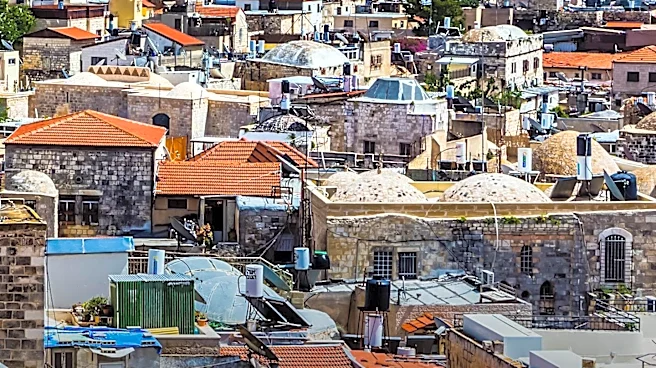
altercation between Gur hassidim and the Israel Police highlights these divisions. Meanwhile, movements like Shira Banki's Way are promoting mutual respect and dialogue among diverse groups. The political climate is further complicated by international diplomatic developments, such as the opening of new embassies in Jerusalem.
Why It's Important?
The debate over Jewish unity reflects broader societal challenges in Israel, where political, religious, and cultural divisions are increasingly pronounced. These tensions can impact national cohesion and influence electoral outcomes. The situation also has implications for Israel's international relations, as diplomatic moves, such as the opening of embassies in Jerusalem, signal shifts in global alliances and recognition. Understanding these dynamics is crucial for stakeholders involved in Israeli politics and international diplomacy.
Beyond the Headlines
The question of Jewish unity touches on deeper cultural and historical issues within Israeli society. The divisions highlighted by recent events may prompt introspection and dialogue about national identity and the role of religion in public life. Additionally, the international diplomatic developments in Jerusalem could influence Israel's geopolitical standing and its relationships with both allies and adversaries.