




What's Happening?
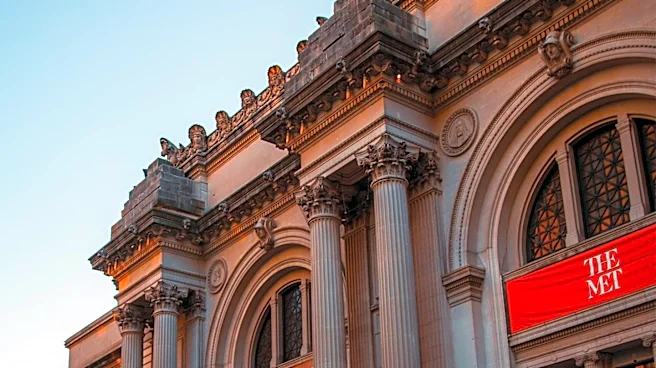
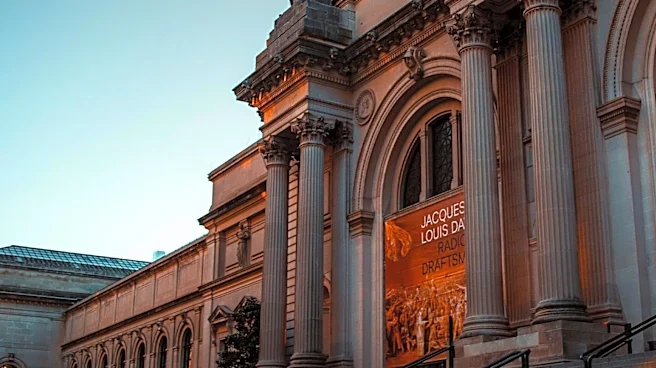
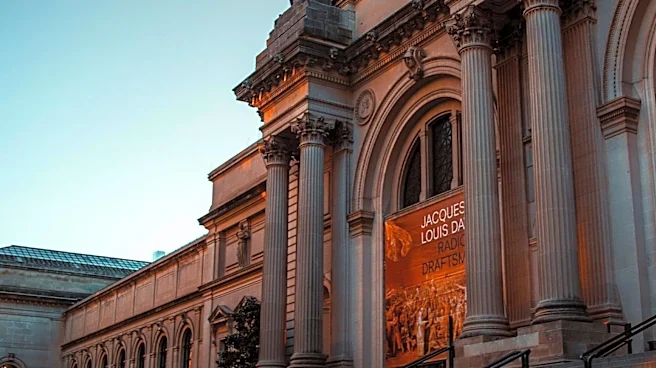
The Metropolitan Museum of Art has announced the cancellation of its planned exhibition, 'John Galliano: Horizons,' which was scheduled to coincide with the 2027 Met Gala. The decision comes after significant backlash following the initial announcement
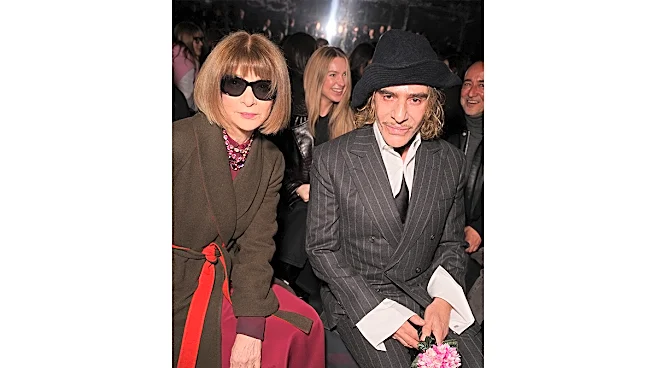
in late July, stemming from the fashion designer's history of making antisemitic remarks. Galliano was fired from Christian Dior in 2011 and subsequently found guilty of antisemitic behavior by a French court. In a statement, Galliano expressed sadness but acknowledged that the exhibition would be painful for some and could distract from the Costume Institute's work. Anna Wintour, Condé Nast chief content officer and a Met trustee, supported the decision, calling it courageous. The museum stated that a new spring Costume Institute exhibition and details for the 2027 Met Gala will be announced later.
Why It's Important?
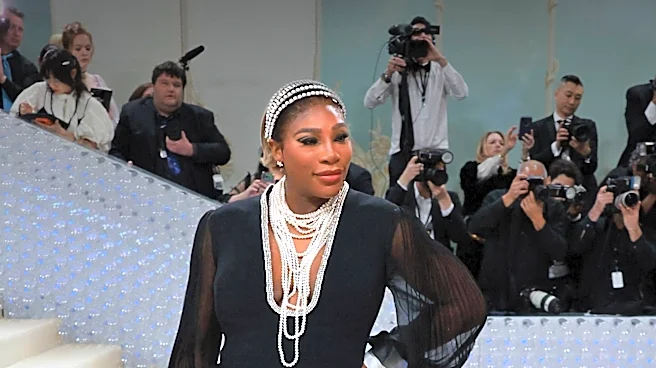
This cancellation highlights the increasing scrutiny cultural institutions face regarding the ethical implications of honoring individuals with controversial pasts, particularly concerning hate speech. The Met Gala is a major fundraising event for the museum and its Costume Institute, and the controversy threatened to overshadow its philanthropic mission and public image. The decision reflects a broader societal shift where accountability for past actions, especially those involving discrimination, is being demanded from public figures and the institutions that support them. It also underscores the influence of public opinion and advocacy groups in shaping cultural programming, demonstrating that even prominent figures in the fashion world are not immune to the consequences of their past conduct. The incident could set a precedent for how other museums and cultural organizations approach exhibitions featuring artists with problematic histories.
What's Next?
The Metropolitan Museum of Art will now focus on developing a new exhibition for the spring of 2027 and will announce details for the Met Gala at a later date. This situation may prompt other cultural institutions to re-evaluate their vetting processes for honorees and exhibitions, potentially leading to more rigorous ethical considerations. Stakeholders, including fashion industry leaders, museum patrons, and civil society groups, will likely observe these developments closely. The fashion industry, in particular, may face renewed pressure to address issues of diversity, inclusion, and accountability among its prominent figures. The incident could also spark further discussions about the separation of an artist's work from their personal conduct and the role of art institutions in contextualizing such complexities.
Beyond the Headlines
The cancellation of the John Galliano exhibition delves into the complex ethical dilemma of separating art from the artist, especially when the artist's personal conduct involves hate speech. While Galliano is widely recognized for his creative contributions to fashion houses like Givenchy, Dior, and Maison Margiela, his antisemitic remarks have caused significant pain and offense. This event raises questions about whether artistic genius should grant immunity from moral accountability or if cultural institutions have a responsibility to uphold certain ethical standards. The debate extends to the long-term implications for how society remembers and celebrates artists, particularly in an era where historical injustices and social responsibility are increasingly emphasized. It also highlights the power dynamics within the fashion and art worlds, where figures like Anna Wintour wield considerable influence, and the potential for public outcry to challenge even the most established decisions.