







What's Happening?
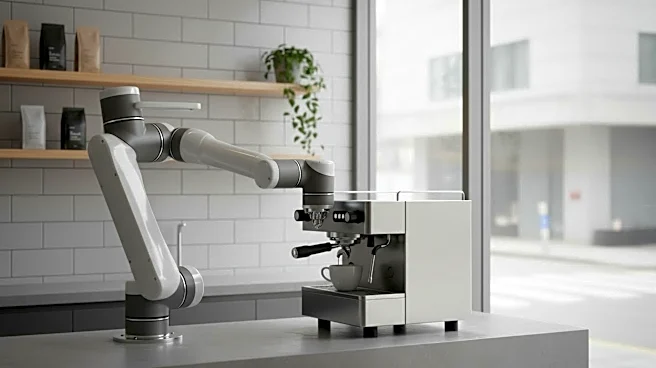
In South Korea, a growing number of shops are turning to robots and self-service models to tackle rising labor costs and staffing challenges. This trend is particularly evident in coffee shops, ramen eateries, and flower outlets, which are increasingly
operating without human staff. The National Fire Agency estimates that by the end of 2024, there will be around 9,000 unstaffed stores nationwide. Lounge X, a company operating unstaffed coffee shops, uses robotic arms to serve drinks, reducing the need for human baristas. The shift to self-service is driven by South Korea's aging population and low birth rates, which contribute to a labor crunch. Despite occasional theft incidents, the model benefits from the general honesty of South Korean customers, allowing for better profitability compared to traditional staffed stores.
Why It's Important?
The adoption of robots and self-service in South Korean shops highlights a significant shift in retail operations, driven by demographic changes and economic pressures. As the population ages and birth rates remain low, businesses face increasing difficulties in hiring staff, prompting innovative solutions like automation. This trend could influence global retail practices, especially in countries experiencing similar demographic challenges. The move towards unstaffed stores also raises questions about the future of employment in the retail sector, as automation may reduce job opportunities for younger workers. Additionally, the reliance on customer honesty in self-service models could impact how businesses approach security and customer relations.