






What's Happening?
The Consumer Bankers Association (CBA) has announced that its President and CEO, Lindsey Johnson, will participate in a fireside chat focused on reforming the Consumer Financial Protection Bureau (CFPB). The event, titled “Modernizing Consumer Financial Protection:
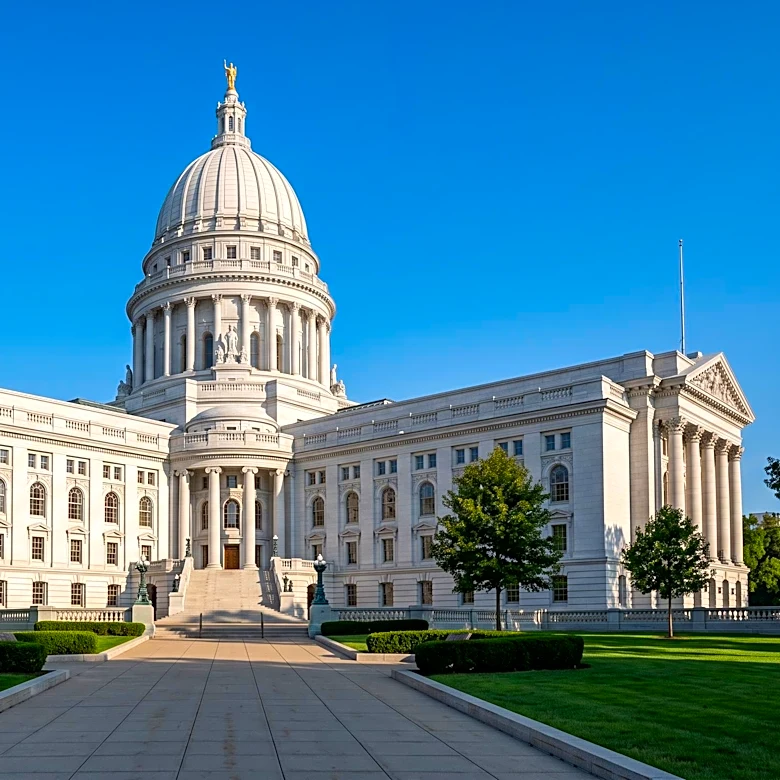
Reform, Accountability, and Opportunity,” is scheduled for Tuesday, September 1, at 10 a.m. and will take place in H-117, the Member Dining Room, at the U.S. Capitol. Johnson will be joined by key figures from the U.S. House Financial Services Committee, including Chair French Hill (R-Ark.) and Financial Institutions Subcommittee Chair Andy Barr (R-Ky.). Also participating will be Penny Lee, President and CEO of the Financial Technology Association. Kathy Kraninger, President and CEO of the Florida Bankers Association and former CFPB Director, is slated to deliver opening remarks. The discussion aims to address the necessity for proposed reforms to the CFPB and explore methods to establish a more durable, transparent, and accountable agency.
Why It's Important?
This fireside chat is significant for the U.S. financial industry and consumers alike, as it brings together influential leaders from banking, financial technology, and congressional oversight to discuss the future of the CFPB. The CFPB plays a critical role in regulating consumer financial products and services, impacting everything from mortgages and credit cards to student loans. Calls for reform often stem from concerns about the agency's structure, accountability, and the scope of its regulatory authority, which directly affects how financial institutions operate and how consumers are protected. The participation of U.S. House Financial Services Committee leadership, including Chair French Hill and Subcommittee Chair Andy Barr, signals a serious legislative interest in these reforms. The involvement of the Consumer Bankers Association and the Financial Technology Association highlights the industry's desire for a regulatory environment that fosters innovation while ensuring consumer protection. The discussion could lay the groundwork for potential legislative changes or administrative adjustments to the CFPB, influencing the regulatory landscape for years to come and affecting both financial service providers and millions of American consumers.
What's Next?
The fireside chat on September 1 is expected to be a platform for outlining specific concerns and potential solutions regarding CFPB reform. Following the discussion, stakeholders, including the Consumer Bankers Association and the Financial Technology Association, will likely continue to advocate for their proposed changes. The involvement of U.S. House Financial Services Committee leadership suggests that legislative action could be a potential next step, either through new bills or amendments to existing financial regulations. The insights shared by former CFPB Director Kathy Kraninger will also be crucial, offering an insider's perspective on the agency's operations and areas ripe for improvement. The event could lead to increased public and congressional scrutiny of the CFPB's current practices and its impact on the financial sector and consumers. Future actions may include committee hearings, drafting of new legislation, or policy recommendations aimed at enhancing the CFPB's transparency, accountability, and overall effectiveness in a rapidly evolving financial landscape.
Beyond the Headlines
The push for CFPB reform extends beyond mere operational adjustments; it delves into the fundamental philosophy of consumer protection in the financial sector. Critics of the CFPB often argue for a more balanced approach that considers the impact of regulations on financial innovation and the competitiveness of U.S. banks. Proponents of the CFPB, however, emphasize its role in safeguarding consumers from predatory practices and ensuring fair treatment. This discussion at the U.S. Capitol reflects a broader ideological debate within U.S. politics regarding the extent of government oversight in the economy. The involvement of both traditional banking and financial technology representatives highlights the challenges of regulating an increasingly complex and digital financial ecosystem. The outcome of these reform efforts could redefine the balance between consumer protection and market efficiency, potentially influencing the development of new financial products, the accessibility of credit, and the overall stability of the U.S. financial system. The long-term implications could shape how financial services are delivered and consumed in the digital age, with significant ethical and economic considerations.