


What's Happening?
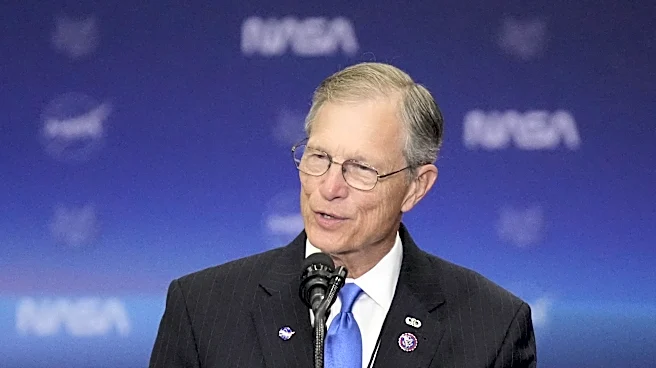
Representative Tom Cole, the longest-serving Native American in the U.S. House of Representatives, is observing National Native American Heritage Month by reflecting on his Chickasaw heritage and his ongoing commitment to advocating for Indian Country.
Cole, who co-chairs the Congressional Native American Caucus and is the first Native American Chairman of the House Appropriations Committee, emphasized that his dedication to Native American issues extends beyond November. He shared his family's history of leadership within the Chickasaw Nation, including his great-great-grandfather who served as clerk for the Chickasaw Nation Supreme Court, his great-grandfather who was the Treasurer, and his late mother, Helen Cole, the first Native American woman elected to the Oklahoma State Senate. Cole also mentioned his great-aunt, Te Ata Fisher, a renowned actress and storyteller who shared Native American traditions nationally. These family influences instilled in him a deep understanding of his heritage and the unique relationship between tribal nations and the U.S. government, including the federal trust responsibility to provide resources and services.
Why It's Important?
Representative Cole's statement underscores the critical role of Native American representation in U.S. politics and policy-making. As a prominent voice in Congress, his efforts directly impact the allocation of resources and the development of legislation affecting tribal communities. His work to secure historic funding increases for underfunded Native American programs, obtain advanced appropriations for the Indian Health Service, and advocate for tribal trust land agreements addresses long-standing disparities and systemic issues faced by Native Americans. Furthermore, his legislative initiatives, such as investigating Indian boarding schools and aiding tribal police in searching for missing children, highlight pressing social and historical injustices. By informing fellow members of Congress through the bipartisan Congressional Native American Caucus, Cole helps to foster a greater understanding of the complex issues confronting tribal nations, promoting more informed and equitable policy decisions that affect millions of Native Americans across the country.
What's Next?
Representative Cole's continued tenure in Congress suggests ongoing advocacy for Native American issues. Future actions will likely include further efforts to secure funding for tribal programs, introduce legislation addressing specific needs of Native American communities, and continue to educate his congressional colleagues on tribal sovereignty and federal trust responsibilities. As Chairman of the House Appropriations Committee, Cole is uniquely positioned to influence budgetary allocations that directly benefit Native American health, education, and infrastructure. His role as co-chair of the Congressional Native American Caucus indicates continued bipartisan collaboration on these issues. Stakeholders, including tribal leaders and Native American advocacy groups, will likely continue to work closely with Cole and his office to advance their legislative priorities and ensure that the federal government upholds its commitments to tribal nations. The focus will remain on addressing historical injustices and improving the quality of life for Native Americans.
Beyond the Headlines
The narrative presented by Representative Cole extends beyond immediate legislative actions, touching upon the deeper cultural and historical significance of Native American heritage in the United States. His personal connection to his Chickasaw roots and his family's legacy of leadership illustrate the enduring strength and resilience of tribal communities. The emphasis on the 'Unconquered and Unconquerable' spirit of the Chickasaw Nation reflects a broader theme of cultural preservation and self-determination among Native American tribes. This perspective challenges the often-overlooked foundational role Native Americans have played in the nation's history and their ongoing contributions. By highlighting the federal trust responsibility, Cole also brings to the forefront the ethical and legal obligations of the U.S. government towards tribal nations, which are rooted in treaties and historical agreements. This ongoing dialogue is crucial for fostering a more inclusive national identity and addressing the systemic impacts of historical policies on Native American communities.