



What's Happening?
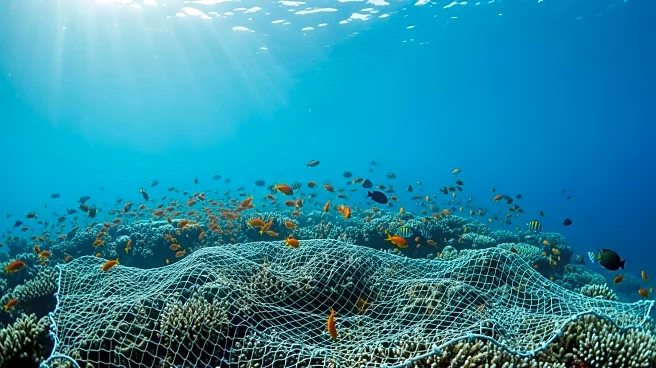
President Donald Trump has issued a proclamation to reopen a significant portion of the Atlantic Ocean, previously protected under the Obama administration, to commercial fishing. This area, known as the Northeast Canyons and Seamounts Marine National
Monument, spans nearly 5,000 square miles off the New England coast. The monument was initially established by former President Barack Obama to safeguard vulnerable marine ecosystems, including undersea corals. Trump's decision to lift these protections is part of a broader effort to bolster U.S. fishing industries by reducing regulatory burdens. The move has been met with support from commercial fishing groups, who argue that sustainable fishing practices can coexist with conservation efforts. However, environmental organizations have criticized the decision, arguing that it undermines protections for marine life and have vowed to challenge it legally.
Why It's Important?
The reopening of the Northeast Canyons and Seamounts Marine National Monument to commercial fishing has significant implications for both the fishing industry and environmental conservation efforts. For the fishing industry, particularly in New England, this decision could lead to increased access to valuable fishing grounds, potentially boosting local economies and supporting jobs. However, environmentalists warn that this move could threaten the delicate marine ecosystems that the monument was designed to protect. The decision highlights the ongoing tension between economic development and environmental conservation, a debate that is likely to continue as policymakers balance these competing interests. The outcome of this decision could set a precedent for how similar protected areas are managed in the future.
What's Next?
The decision to reopen the protected area is expected to face legal challenges from environmental groups who argue that it violates conservation principles. These groups are likely to seek court injunctions to prevent commercial fishing from resuming in the area. Meanwhile, the fishing industry may push for further regulatory rollbacks to expand access to other protected areas. The Biden administration, which has previously restored protections to this monument, may also respond with policy measures to counteract Trump's proclamation. The legal and political battles that ensue will be closely watched by stakeholders on both sides of the issue.
Beyond the Headlines
This development raises broader questions about the role of national monuments in marine conservation and the extent to which economic activities should be permitted in these areas. It also underscores the challenges of managing natural resources in a way that balances economic interests with environmental sustainability. The decision could influence public opinion on the importance of marine conservation and the effectiveness of current policies in protecting biodiversity. Additionally, it may prompt discussions about the need for more comprehensive and adaptive management strategies that can accommodate both conservation and economic objectives.