


What's Happening?
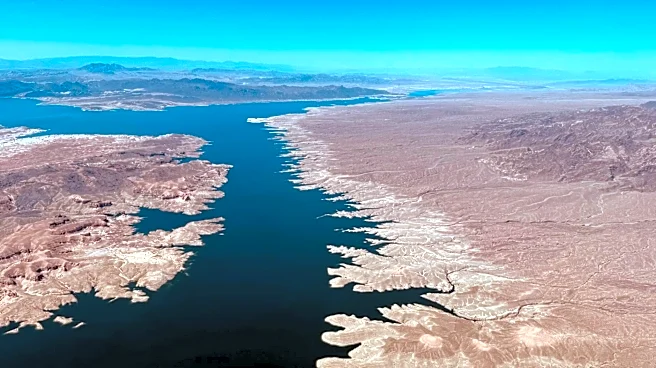
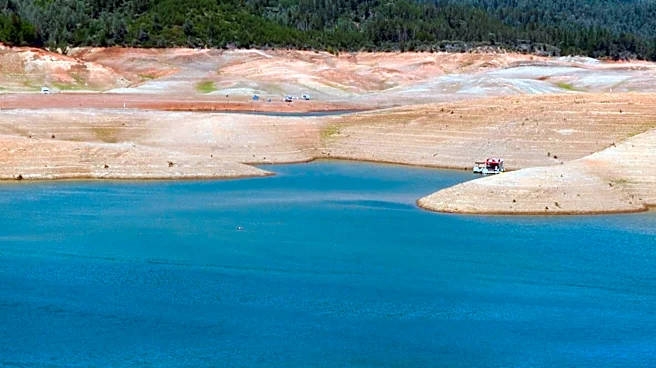
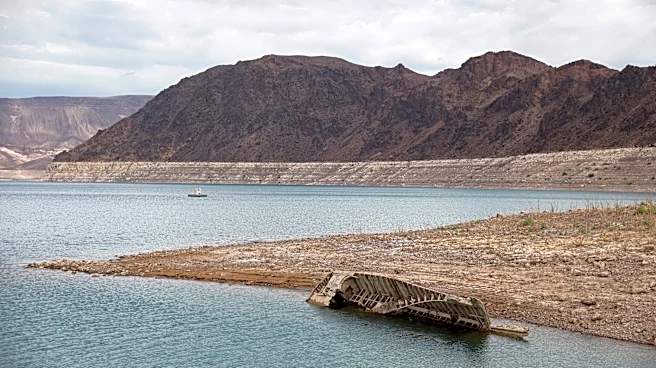
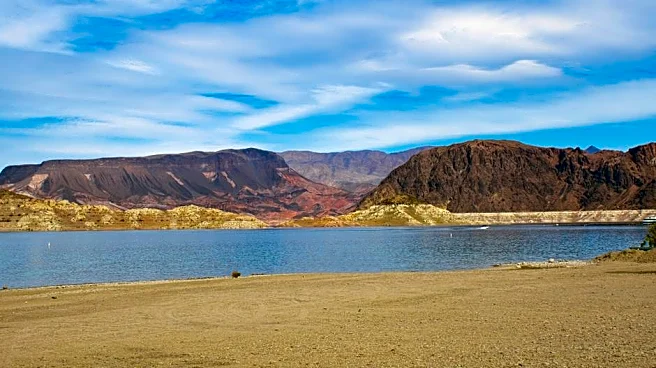
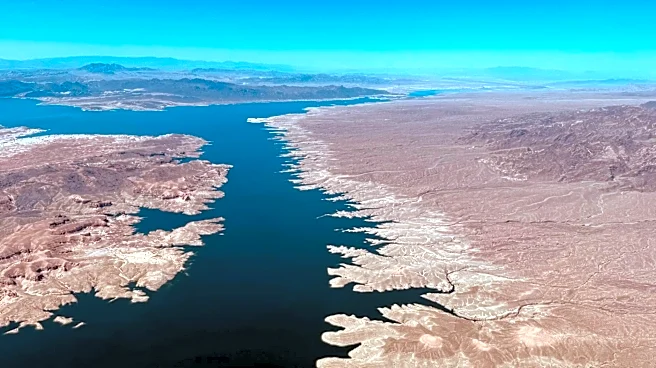
Lake Mead, the largest reservoir in the United States, has reached its lowest water level since its creation, highlighting the ongoing crisis in the Colorado River system. The water level dropped to 1,040.4 feet above sea level, a record low since the reservoir was
filled 90 years ago. This decline follows a winter with the worst snowpack on record in the Colorado River Basin, affecting water supply for over 40 million people across seven U.S. states and Mexico. Federal officials have proposed short-term measures to address the crisis, but long-term solutions remain elusive as states struggle to agree on water-sharing strategies.
Why It's Important?
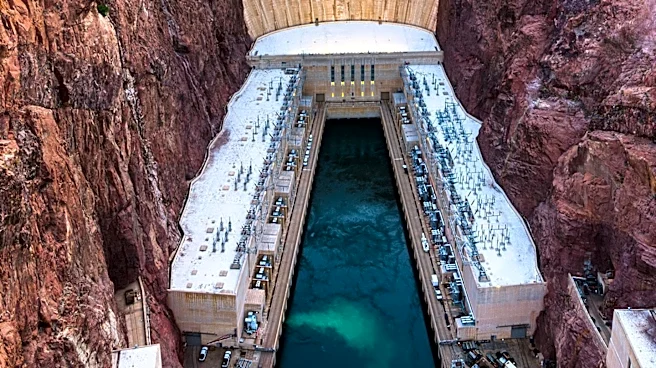
The record-low water levels at Lake Mead underscore the severe impact of climate change and overuse on critical water resources in the western United States. The situation threatens water supply, agriculture, and hydropower production, with potential economic and environmental consequences. The crisis highlights the urgent need for sustainable water management practices and cooperative agreements among states to ensure the long-term viability of the Colorado River system. The developments at Lake Mead serve as a stark reminder of the broader challenges posed by climate change and resource management.
What's Next?
Federal officials and state governments must continue to negotiate and implement strategies to manage the dwindling water resources of the Colorado River. Potential measures include water cuts and conservation efforts to stabilize the system. The situation may prompt increased investment in water-saving technologies and infrastructure improvements. Stakeholders, including policymakers, environmental groups, and affected communities, will need to collaborate to develop comprehensive solutions that address both immediate and long-term challenges.