







What's Happening?
Atlanta Mayor Andre Dickens' administration is requesting the Atlanta City Council to authorize condemnation proceedings for five blighted properties in northwest Atlanta. These properties, four in the Westside area and one near I-285, have been described
as distressed for years, negatively impacting surrounding neighborhoods. The initiative is part of the city's Neighborhood Reinvestment Initiative (NRI), which aims to address long-standing disinvestment and strengthen communities. If approved, the resolutions would empower the Mayor or his designee to initiate formal condemnation procedures under Georgia law. This action is intended to provide the city with additional tools to address blight beyond standard code enforcement, ultimately aiming to improve the quality of life, safety, and economic opportunities for residents in these affected areas. One property owner, James Arpad, stated he has been awaiting a demolition permit for two years and plans to demolish his structure and sell the land for higher-density housing.
Why It's Important?
This move by Mayor Dickens' administration is significant for Atlanta's urban development and community revitalization efforts. Blighted properties often contribute to decreased property values, increased crime rates, and a general decline in neighborhood aesthetics and morale. By targeting these specific properties for condemnation, the city aims to remove physical barriers to revitalization and foster a more stable and attractive environment for residents and potential investors. The use of condemnation as a tool underscores a more aggressive approach to urban renewal, potentially setting a precedent for how Atlanta addresses similar issues in other areas. Successful implementation could lead to enhanced public safety, improved housing conditions, and increased economic activity in historically underserved neighborhoods, benefiting current residents and attracting new development. Conversely, property owners facing condemnation will need to navigate legal processes, which could involve disputes over fair market value and the timeline for acquisition.
What's Next?
The immediate next step involves the Atlanta City Council considering the resolutions to authorize the condemnation proceedings. The Mayor's administration has requested a specially called meeting for this purpose. If the resolutions are approved, the city will then formally initiate the condemnation process, which includes appraisals, notifications to property owners, and potential court proceedings in Georgia Superior Court. The city emphasizes that these resolutions only authorize the start of the process and do not immediately transfer ownership. Property owners will have the opportunity to engage with the city, and some, like James Arpad, may proceed with their own demolition plans. The ultimate goal is to either compel owners to address the blight or for the city to acquire the properties for redevelopment, aligning with the broader objectives of the Neighborhood Reinvestment Initiative.
Beyond the Headlines
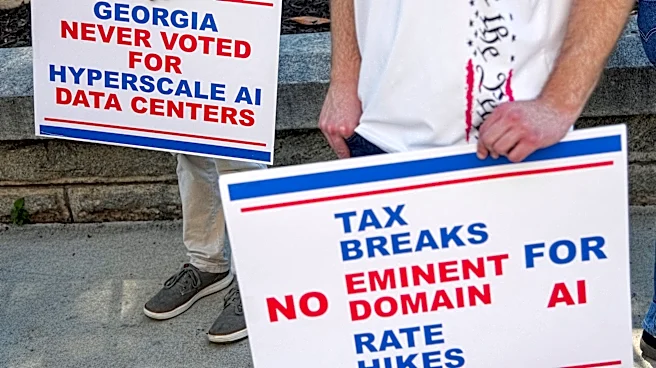
The city's decision to pursue condemnation highlights a deeper societal challenge: the balance between private property rights and public welfare, particularly in the context of urban decay. While condemnation can be a powerful tool for revitalization, it also raises questions about eminent domain and the potential impact on property owners, especially those who may be struggling to maintain their properties or navigate bureaucratic processes. The long-standing nature of the blight, with some properties being abandoned for decades, suggests systemic issues in urban planning and enforcement. This initiative could spark broader discussions about proactive measures to prevent blight, the effectiveness of current code enforcement, and the support systems available to property owners in distressed areas. It also underscores the ethical considerations of using legal mechanisms to reshape communities, aiming to ensure that revitalization benefits existing residents and does not inadvertently lead to displacement or gentrification without adequate safeguards.