




What's Happening?
The National Oceanic and Atmospheric Administration (NOAA) is facing criticism for its policies regarding trawling in the Gulf of Alaska and the Bering Sea. Trawling, a fishing method involving large nets, is said to be causing significant ecological
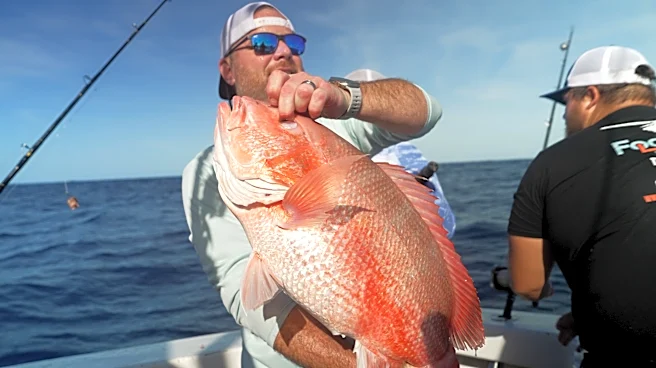
damage and cultural disruption for Native Alaskan communities. The practice has led to the bycatch of millions of pounds of marine life annually, including species vital to the subsistence and cultural practices of Alaska Native families. Despite being labeled as 'sustainable' by the Marine Stewardship Council, trawling is accused of destroying ocean habitats and depleting fish populations, particularly salmon, which are crucial to the livelihoods of these communities. NOAA has been accused of changing rules to favor trawlers, allowing them to sell bycatch as low-value products, while ignoring pleas from local communities for assistance in restoring salmon populations.
Why It's Important?
The issue of trawling in Alaska has broader implications for environmental policy and indigenous rights in the U.S. The practice threatens the ecological balance of the region and the cultural heritage of Native Alaskan communities, who rely on salmon for food and cultural practices. The controversy highlights the tension between industrial fishing interests and environmental conservation, raising questions about the sustainability of current fishing practices. The situation also underscores the need for government agencies like NOAA to incorporate indigenous knowledge and address the concerns of local communities in their policy decisions. The outcome of this issue could set a precedent for how similar conflicts are managed in other regions, impacting national policies on environmental conservation and indigenous rights.
What's Next?
As the debate over trawling continues, there may be increased pressure on NOAA to revise its policies and engage more actively with Native Alaskan communities. Advocacy groups and local leaders are likely to push for stricter regulations on trawling practices and greater transparency in how fishing activities are monitored and reported. The upcoming midterm elections in Alaska could also influence the direction of this issue, as candidates may be compelled to address the concerns of their constituents regarding environmental and cultural preservation. Additionally, there may be calls for independent investigations into the environmental impact of trawling and the accuracy of sustainability labels used by the fishing industry.
Beyond the Headlines
The trawling controversy in Alaska raises deeper questions about the ethical responsibilities of government agencies and industries in managing natural resources. It highlights the potential for conflict between economic interests and the preservation of cultural and environmental heritage. The situation also points to the need for a more inclusive approach to policy-making, where the voices of indigenous communities are heard and respected. Long-term, this could lead to a shift in how natural resource management is approached in the U.S., with greater emphasis on sustainability and cultural sensitivity.