





What's Happening?
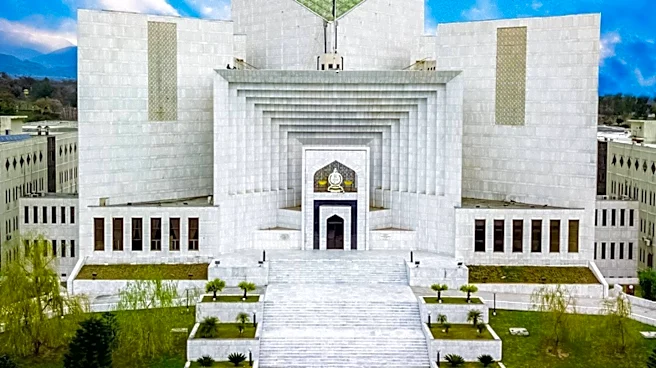
Former Equal Employment Opportunity Commission (EEOC) Commissioner Jocelyn Samuels has voluntarily dismissed her lawsuit challenging President Trump's removal of her from the commission. This decision comes in the wake of a U.S. Supreme Court ruling that
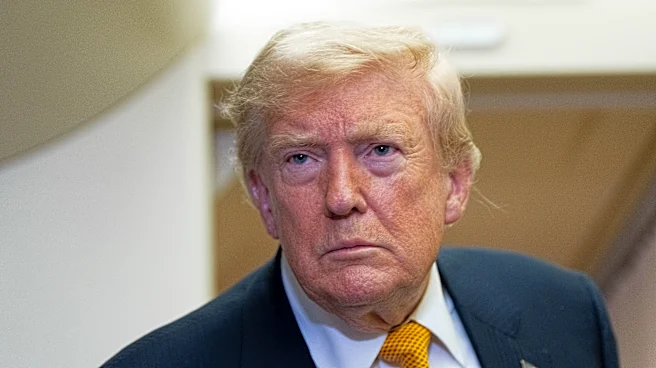
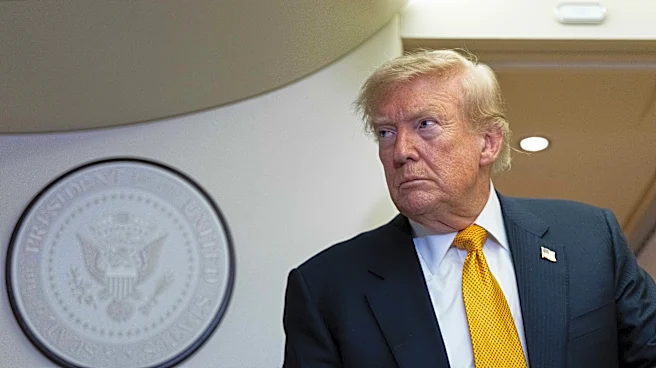
expanded the president's authority to remove officials from independent federal agencies. Samuels, along with former EEOC Chair Charlotte Burrows, was dismissed by President Trump in January 2025 before the end of their Senate-confirmed terms. They argued that the EEOC was designed to be an independent, bipartisan agency with staggered terms to protect commissioners from political pressure. However, the Supreme Court's decision in Trump v. Slaughter, which affirmed the president's broad removal powers, left Samuels with little legal recourse. The ruling has significant implications for the independence of federal agencies and the balance of power between the executive branch and independent commissions.
Why It's Important?
The Supreme Court's ruling and Samuels' subsequent dismissal of her lawsuit underscore a pivotal shift in the balance of power between the executive branch and independent federal agencies. By affirming the president's authority to remove officials from these agencies, the decision potentially undermines the independence that Congress intended for bodies like the EEOC. This could lead to increased political influence over agencies tasked with enforcing civil rights and other statutory responsibilities. The ruling also allows the Trump administration to further reshape the EEOC, which now has a Republican majority. This shift could result in significant changes to federal employment discrimination enforcement, affecting employers and employees across the U.S. The decision has sparked concerns about the consolidation of power within the executive branch, as highlighted by Justice Sonia Sotomayor's dissent.
What's Next?
With the EEOC now under a Republican majority, led by Chair Andrea Lucas, the agency is expected to pursue a revised regulatory agenda. This includes potential changes to workforce demographic reporting and affirmative action guidance. Employers should prepare for shifts in federal employment discrimination enforcement priorities. The broader implications of the Supreme Court's ruling may prompt legislative or judicial efforts to address concerns about the independence of federal agencies and the balance of power between the branches of government. Stakeholders, including civil rights advocates and policymakers, may seek to challenge or adapt to these changes in the coming months.