


What's Happening?
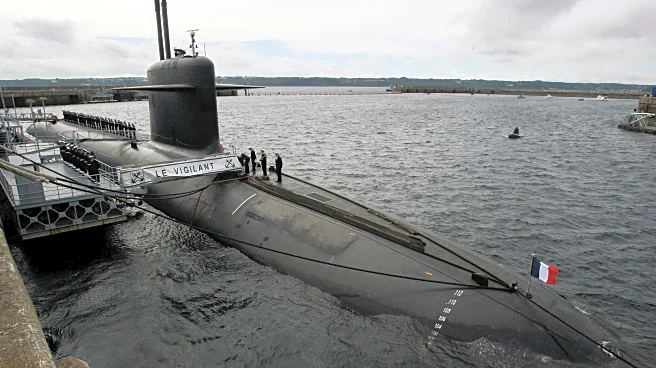
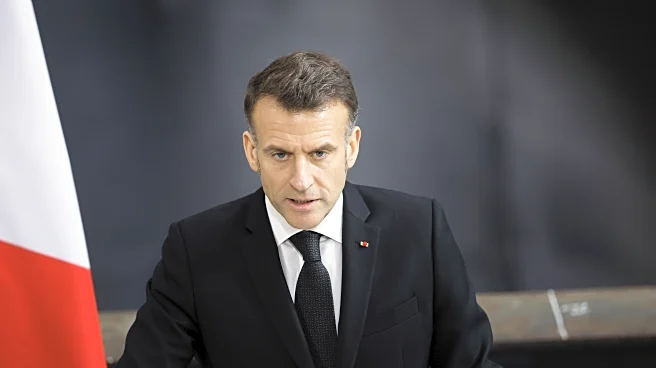
France is taking steps to align its nuclear deterrence strategy more closely with European allies while maintaining full control over any strike decisions. This move, announced by President Emmanuel Macron, is seen as a response to growing doubts about
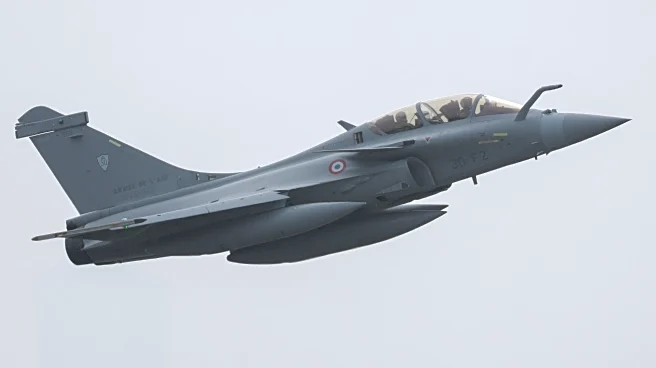
U.S. reliability in European defense. Since the UK's exit from the EU, France remains the only nuclear power within the bloc. Macron's strategy involves initiating nuclear talks with eight European nations, including Britain, Germany, and Poland, to offer a nuclear security guarantee. This policy shift could allow for the temporary deployment of French nuclear-armed aircraft to allied countries, marking a significant change in France's defense posture.
Why It's Important?
The strategic shift by France underscores a broader European concern about the reliability of U.S. defense commitments, especially in light of recent geopolitical tensions with Russia and China. By offering a nuclear security guarantee, France aims to bolster European strategic autonomy and reduce dependency on NATO's nuclear mission, which is heavily reliant on U.S. capabilities. This move could lead to a reconfiguration of European defense strategies, potentially increasing the continent's self-reliance in security matters. The initiative also highlights the evolving nature of global nuclear deterrence dynamics, as regional powers seek to adapt to new threats.
What's Next?
France's new deterrence strategy may lead to increased military cooperation among European nations, particularly in joint exercises and defense capabilities. The temporary deployment of nuclear-armed aircraft to allied countries could become a reality, enhancing collective security measures. However, this approach may also necessitate careful diplomatic coordination to ensure it complements NATO's existing framework. As France increases its nuclear warhead count, it will be crucial to monitor how this affects regional security dynamics and arms control discussions.
Beyond the Headlines
The decision to align France's nuclear strategy with European allies raises questions about the balance of power within NATO and the EU. It reflects a shift towards greater European defense integration, which could influence future EU defense policies. Additionally, the move may prompt discussions on the ethical implications of nuclear deterrence and the role of nuclear weapons in modern security strategies. As France navigates these changes, it will need to balance national sovereignty with collective European security interests.