





What's Happening?
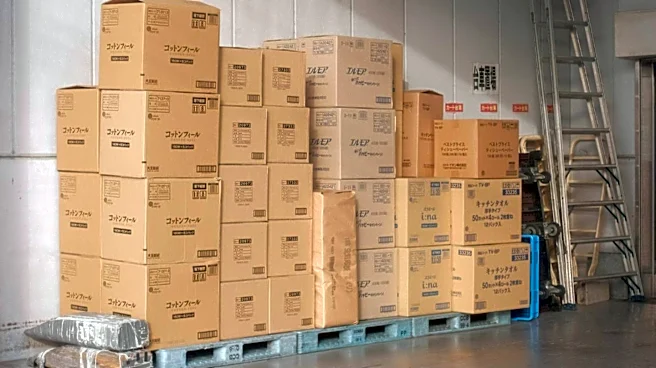
The Cedar Rapids Linn County Solid Waste Agency has reported that Google and QTS data center construction projects in Cedar Rapids have disposed of approximately 40,000 pounds of banned cardboard and other recyclable materials over the past year. Joe
Horaney, interim director of the agency, stated that these projects are generating substantial amounts of waste, including thousands of pallets and giant spools with conduits and wiring, which are materials that could be recycled. The agency noted that these materials are taking up valuable landfill space, which is intended for local residents and businesses. Specifically, cardboard has been banned from the landfill since 1999. To disincentivize this practice, the Solid Waste Agency has been charging double per ton for loads containing cardboard since July, but this measure has not yet proven effective. Both QTS and Google have issued statements affirming their commitment to responsible environmental practices and sustainable operations, with QTS indicating they are reviewing the information and Google stating they have rigorous standards for their operations and partners.
Why It's Important?
This situation highlights a significant conflict between large-scale industrial development and local environmental regulations, particularly concerning waste management. The disposal of banned recyclables by major corporations like Google and QTS, despite their public commitments to sustainability, raises questions about the effectiveness of corporate environmental policies at the local implementation level. For the Cedar Rapids community, the premature filling of landfill space due to these practices translates into increased costs for waste disposal and a reduced lifespan for existing waste facilities, potentially necessitating the development of new, expensive alternatives. Economically, the fines imposed by the Solid Waste Agency are intended to deter non-compliance, but their current ineffectiveness suggests that the financial penalties may not be substantial enough to alter behavior for large corporations. This issue also underscores the broader challenge of managing construction waste, which often includes a mix of recyclable and non-recyclable materials, and the need for robust oversight to ensure compliance with local environmental standards.
What's Next?
The Solid Waste Agency is exploring options to enforce recycling compliance more effectively, including the possibility of incorporating recycling requirements into municipal ordinances for future projects. Joe Horaney suggested that municipalities could mandate a certain percentage of material recycling for any new development. The agency also recommends that data centers assign dedicated personnel at job sites to manage and separate recyclable materials from general waste. Horaney emphasized that proper recycling would ultimately save these companies money by avoiding fines and allowing them to sell or reuse materials like clean wood and metal. The Dubuque County Board of Supervisors is scheduled to hold a Data Center Work Session, where the Dubuque Metropolitan Area Solid Waste Agency will present information, including the letter detailing the waste issues at the Cedar Rapids landfill. This meeting could lead to discussions on regional strategies for managing waste from large data center projects and potentially influence future policy decisions.
Beyond the Headlines
This incident points to a broader systemic issue within the U.S. regarding industrial waste management and the enforcement of environmental regulations, particularly as the demand for data centers continues to grow. The sheer volume of waste generated by these large construction projects can overwhelm local waste infrastructure, even in communities with established recycling programs. The challenge extends beyond mere compliance; it involves the integration of sustainable practices into the core operational models of major tech companies. The situation in Cedar Rapids could serve as a case study for other municipalities grappling with similar issues, potentially leading to the development of more comprehensive and enforceable waste management policies for large-scale industrial developments. It also highlights the tension between economic development and environmental stewardship, prompting a critical examination of how local governments can balance attracting major businesses with protecting local resources and ensuring environmental sustainability.