
What's Happening?
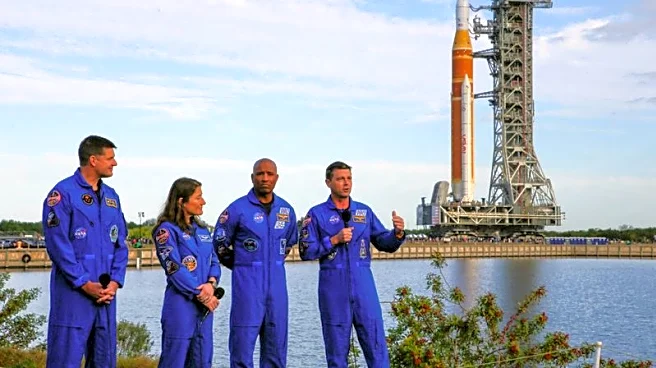
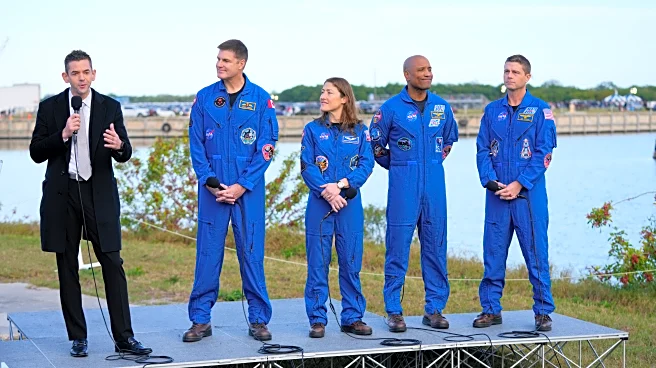
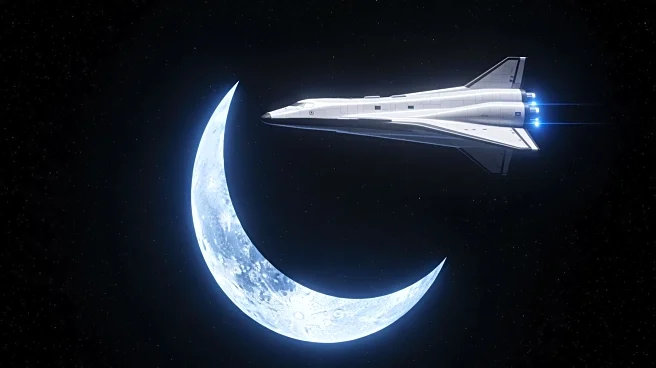
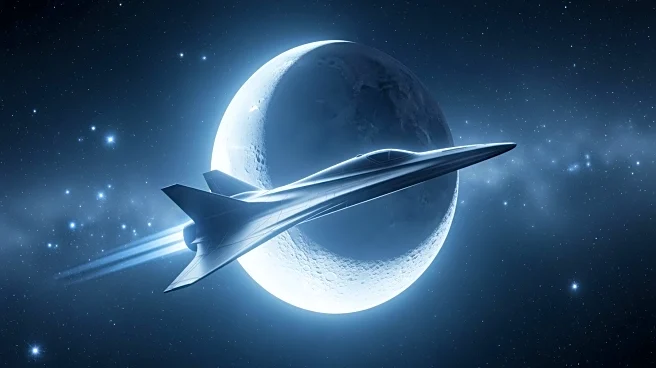
NASA is gearing up for the launch of Artemis 2, the first crewed moon mission since the Apollo era, scheduled for April 1. This mission will send four astronauts on a 10-day journey around the moon and back to Earth, marking the first human spaceflight
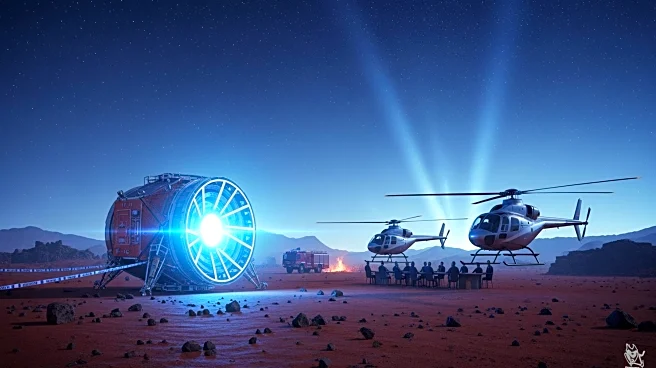
for NASA's Artemis program. The mission will utilize the Space Launch System (SLS) rocket and Orion capsule, representing the first crewed trip beyond low Earth orbit since Apollo 17 in 1972. Additionally, NASA announced the development of the Skyfall mission, set to launch in 2028, which will send helicopters to Mars using nuclear electric propulsion. Meanwhile, Canada has canceled its first moon rover mission due to budget shifts, and NASA has decided to focus on establishing a base on the moon's surface rather than the lunar Gateway space station.
Why It's Important?
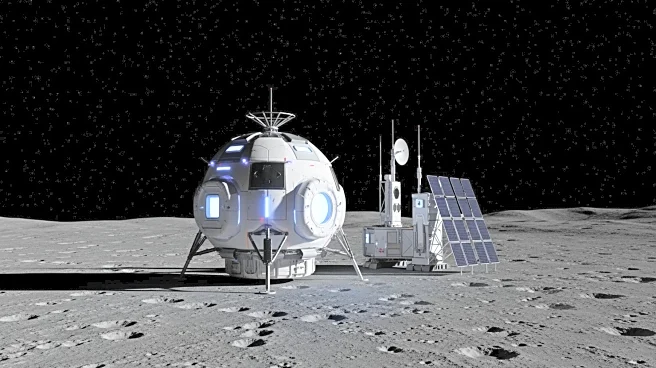
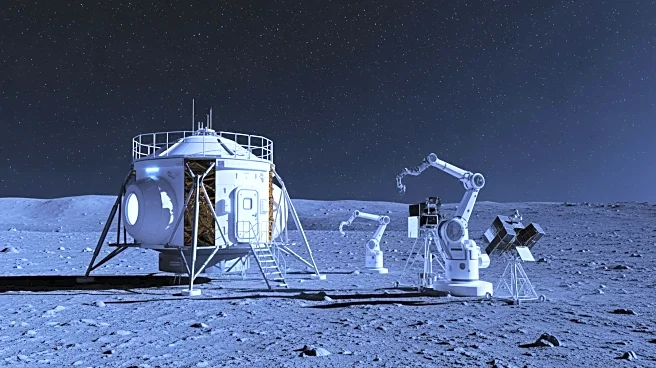
The Artemis 2 mission is a significant milestone in NASA's efforts to return humans to the moon and establish a sustained presence there. It represents a major step in the Artemis program, which aims to advance lunar exploration and potentially pave the way for future Mars missions. The decision to focus on a moon base rather than a lunar orbiting station reflects NASA's strategic shift to enhance infrastructure for long-term operations on the lunar surface. This move is also seen as a response to geopolitical competition, particularly with China's lunar ambitions. The Skyfall mission's use of nuclear electric propulsion could revolutionize interplanetary travel, offering a new method for exploring Mars. These developments highlight the growing importance of space exploration in global scientific and geopolitical contexts.
What's Next?
NASA's Artemis program will continue to evolve, with plans to land astronauts on the moon before the end of President Trump's term. The agency will focus on building infrastructure to support sustained operations on the lunar surface. The Skyfall mission is set for a 2028 launch, and its success could lead to further advancements in Mars exploration. As NASA competes with international space programs, particularly China's, the agency will likely increase its launch cadence and streamline program architecture to maintain American leadership in space exploration.