


What's Happening?
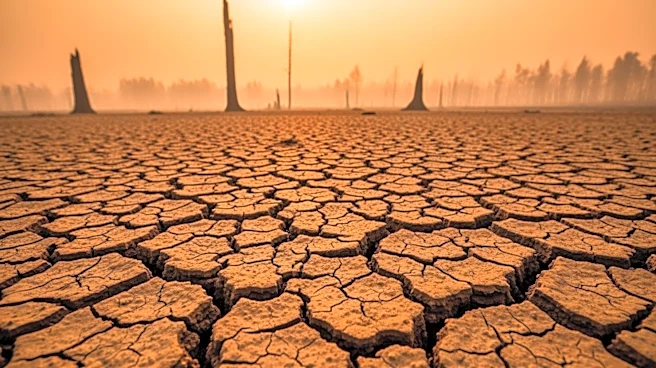
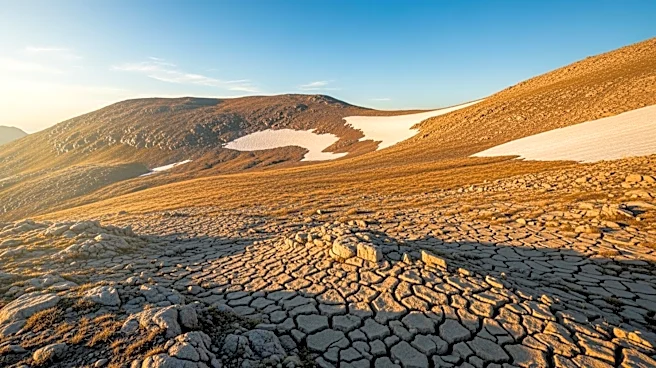
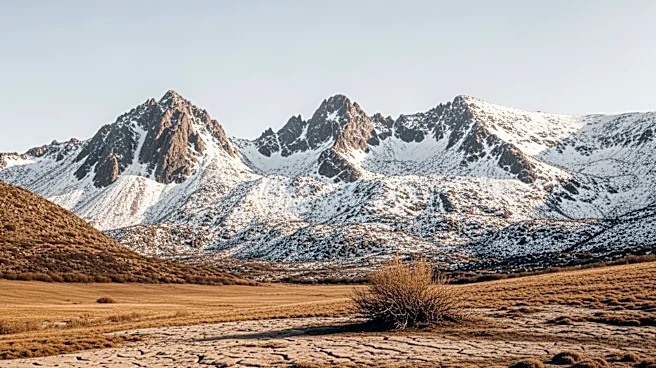
The United States experienced an unusually warm March, following a historically warm winter across nine states. This has resulted in critically low levels of mountain snowpack, which is a vital water source for millions in the American West. The lack
of snowpack is raising concerns about a potentially severe wildfire season if conditions do not improve. Despite the expectation of increased precipitation in spring, the continued warm and dry weather is exacerbating the situation. The outlook for the late spring and summer months is increasingly worrying, with further spells of abnormally warm, dry weather anticipated.
Why It's Important?
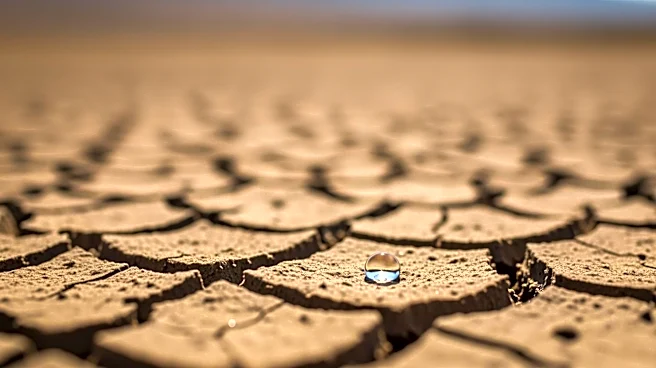
The critically low snowpack levels in the American West are significant because they directly impact water availability for millions of residents and agricultural activities. The snowpack acts as a natural reservoir, slowly releasing water as it melts, which is crucial for maintaining water supplies during the dry summer months. The current situation heightens the risk of wildfires, which can have devastating effects on communities, wildlife, and the environment. Additionally, the economic impact could be substantial, affecting industries such as agriculture, tourism, and water management. The situation underscores the broader implications of climate change and the need for adaptive strategies to manage water resources and mitigate wildfire risks.
What's Next?
If the warm and dry conditions persist, the American West could face a challenging wildfire season. Authorities may need to implement stricter water usage regulations and increase resources for firefighting and emergency response. There could also be a push for more investment in water conservation technologies and infrastructure to better manage limited water supplies. The situation may prompt discussions on climate change policies and the need for long-term strategies to address the increasing frequency of extreme weather events.
Beyond the Headlines
The current climate conditions highlight the broader issue of climate change and its impact on weather patterns. The increasing frequency of warm winters and low snowpack levels could lead to long-term shifts in water management practices and land use planning. There may be ethical considerations regarding water allocation, especially in regions where resources are already scarce. The situation also raises questions about the resilience of infrastructure and communities in the face of changing climate conditions.