







What's Happening?
In 2023, Senator Ben Cardin and Congressman Jamie Raskin co-introduced the Private Prison Information Act. This legislative initiative aims to increase transparency and public reporting requirements for private prison operators. The bill is designed to enable
external watchdogs to monitor compliance with contractual obligations, specifically focusing on critical areas such as food safety and nutritional standards within these facilities. The introduction of this act comes amidst ongoing concerns regarding the quality of food and overall conditions in private prisons across the United States. Reports have highlighted issues ranging from nutritionally inadequate meals to food contaminated by rodent waste, and even instances of food labeled 'Not For Human Consumption' being served to inmates. The act seeks to address these systemic problems by mandating greater accountability from private contractors.
Why It's Important?
The Private Prison Information Act is significant because it targets a critical oversight in the U.S. correctional system, particularly concerning the operations of private prisons. The private prison industry is a substantial market, valued at over $3.2 billion in 2022, with dominant players often signing multi-million dollar contracts with state prison systems. These companies frequently prioritize cost efficiency, which critics argue leads to reduced portion sizes, lower-quality food, and undertrained staff. The lack of stringent oversight has allowed these practices to persist, impacting the health and well-being of incarcerated individuals. By requiring transparency and public reporting, the act could empower external organizations to hold these private entities accountable, potentially leading to improved conditions, better food quality, and enhanced human rights for prisoners. This legislation could also set a precedent for broader reforms in the correctional system, emphasizing public health and ethical treatment over profit motives.
What's Next?
If passed, the Private Prison Information Act would mandate new reporting standards for private prison operators, allowing for increased scrutiny from external watchdogs. This could lead to more frequent inspections, public disclosure of food quality and safety reports, and potentially, the termination of contracts for non-compliant companies. The act's focus on transparency could also encourage other states to adopt similar legislative measures, pushing for greater accountability in their own correctional facilities. Furthermore, the increased public awareness generated by such reporting could galvanize advocacy groups and civil society organizations to press for more comprehensive reforms, potentially influencing future policy decisions regarding the privatization of correctional services and the establishment of national standards for inmate care. The bill represents a step towards addressing the complex issues surrounding prison food and conditions, though its full impact will depend on its passage and subsequent enforcement.
Beyond the Headlines
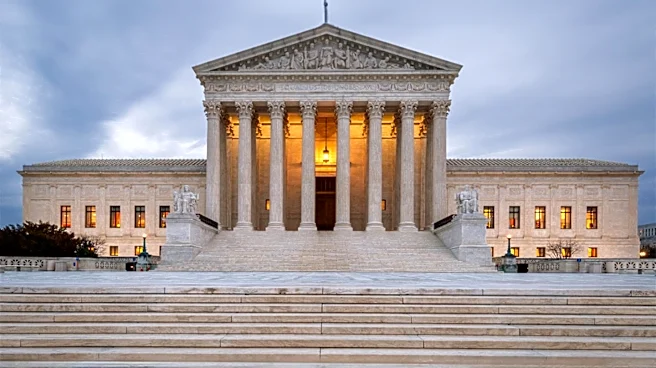
The Private Prison Information Act delves into the deeper ethical and legal dimensions of the U.S. correctional system, particularly the debate surrounding the 'cruel and unusual punishment' clause of the Eighth Amendment. While the Supreme Court has recognized that inadequate food can fall under this definition, it has historically failed to set definitive standards, allowing prison food cases to be treated as administrative issues rather than constitutional matters. This legislative effort, though limited to private prisons, challenges the prevailing legal vacuum that has enabled private companies to prioritize cost-cutting over basic human dignity. It highlights the long-term shift towards viewing prison nutrition as a public health issue rather than solely a matter of prisoner treatment. The act could trigger a re-evaluation of the legal frameworks governing correctional facilities, potentially leading to more robust federal intervention and the establishment of clear, enforceable standards that align with public health guidelines, similar to those in hospitals and schools.