






What's Happening?
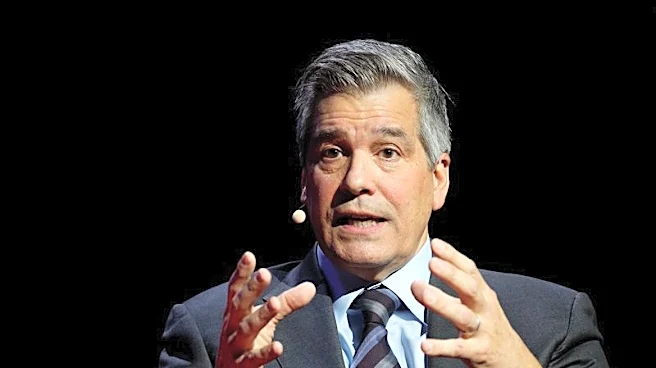
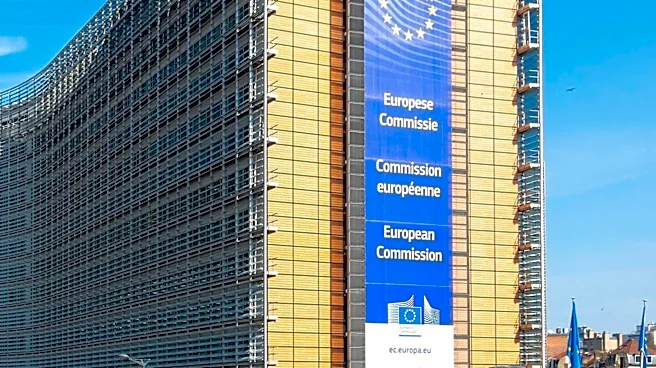
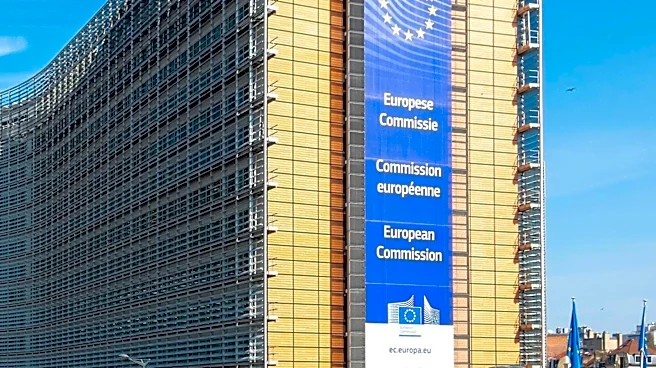
The European Commission is intensifying efforts to bolster crisis preparedness across the EU by introducing new guidelines and establishing an annual EU Preparedness Day. Commissioner for Equality, Preparedness and Crisis Management Hadja Lahbib presented
guidelines designed to help citizens and communities prepare for emergencies, including ensuring self-sufficiency for the first 72 hours of a crisis. These guidelines cover four key areas: 72-hour self-sufficiency, preparedness education, disability-inclusive preparedness, and effective risk communication. The first EU Preparedness Day is scheduled for October 23, 2027, coinciding with the anniversary of the Civil Protection Mechanism's establishment. These initiatives build upon a recently adopted Commission Recommendation on operational continuity and stress-testing, aiming to strengthen the resilience of national civil protection contact points across Europe and deliver on the EU Preparedness Union Strategy.
Why It's Important?
While primarily focused on Europe, these initiatives reflect a growing global recognition of the need for enhanced societal resilience in the face of increasingly frequent and complex crises, including those with potential international implications. For the U.S., observing Europe's strategies in citizen preparedness and civil protection can offer valuable insights for its own national emergency management frameworks. The emphasis on 72-hour self-sufficiency, inclusive preparedness, and effective risk communication are universal principles that can inform U.S. public policy and community engagement efforts. Furthermore, the interconnectedness of global crises, such as pandemics or climate-related disasters, means that improved preparedness in one major region can contribute to overall international stability and response capabilities, indirectly benefiting U.S. interests.
What's Next?
The European Commission will work with the European Parliament, the Council, the European Economic and Social Committee, and the European Committee of the Regions to support the annual EU Preparedness Day. The Population Preparedness Guidelines, along with accompanying guidance documents, will be reviewed based on feedback and lessons learned. The Recommendation on operational continuity and stress-testing will help EU Member States ensure their civil protection contact points remain operational during disruptive events. These ongoing efforts aim to foster a culture of preparedness across Europe, ensuring that individuals and communities are better informed, equipped, and able to anticipate and respond to crises effectively. This continuous adaptation and improvement of preparedness strategies will be crucial for Europe's resilience in the coming years.
Beyond the Headlines
The European Commission's focus on citizen-level preparedness, particularly through initiatives like integrating preparedness into early childhood education and ensuring disability-inclusive measures, highlights a shift towards a more holistic and equitable approach to disaster management. This goes beyond traditional governmental responses to foster a societal culture of resilience. By empowering individuals and communities with knowledge and tools, the EU aims to reduce the burden on public services during initial crisis phases and ensure that no one is left behind. This proactive, community-centric model could serve as a blueprint for other nations, including the U.S., seeking to enhance their own national preparedness strategies in an era of increasing global uncertainties.