



What's Happening?
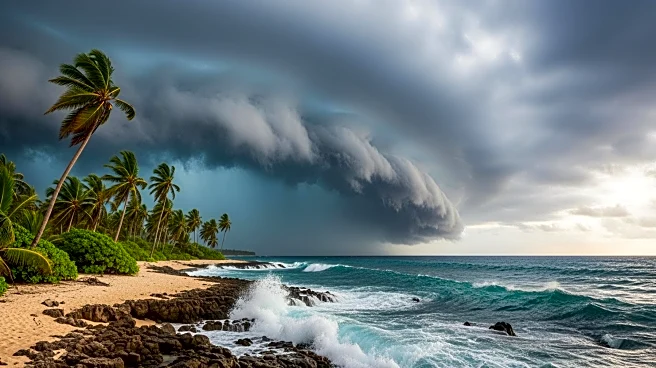
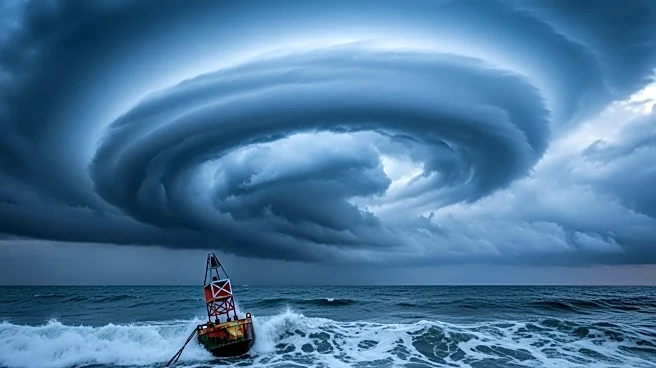
The World Meteorological Organization (WMO) has officially retired the name 'Melissa' from future use in hurricane naming. This decision follows the catastrophic impact of Hurricane Melissa, which struck Jamaica as a Category 5 storm on October 28, 2025.
The hurricane caused significant destruction, resulting in at least 95 fatalities across several Caribbean nations, including Jamaica, Haiti, Cuba, and the Dominican Republic. In Jamaica alone, the storm inflicted $8.8 billion in damages. Melissa's maximum sustained winds reached 185 mph, tying it with Hurricane Dorian and the 1935 Labor Day Hurricane as the strongest in Atlantic history. A record-breaking wind gust of 252 mph was recorded during a Hurricane Hunters mission, surpassing the previous record set by Typhoon Megi in 2010.
Why It's Important?
The retirement of the name 'Melissa' underscores the severe impact hurricanes can have on affected regions, both in terms of human life and economic damage. The decision by the WMO highlights the increasing risks associated with tropical cyclones, which can reverse years of development in a single event. The financial burden of the destruction, particularly in Jamaica, emphasizes the need for improved disaster preparedness and response strategies. The retirement of hurricane names is a practice reserved for storms that are particularly deadly or costly, serving as a reminder of their devastating potential. This event also stresses the importance of accurate forecasting and timely warnings to mitigate the impact of such natural disasters.
What's Next?
The name 'Melissa' will be replaced by 'Molly' in the hurricane naming rotation, with its first appearance expected in 2031. This change is part of the WMO's ongoing efforts to manage the naming of tropical cyclones. The organization continues to focus on enhancing forecasting techniques and improving communication strategies to better prepare communities for future storms. The retirement of 'Melissa' may prompt further discussions on climate change and its role in the increasing intensity and frequency of hurricanes, potentially influencing future policy decisions and international cooperation on climate action.