







What's Happening?
Various fruits play a significant role in boosting heart health by reducing key risk factors for cardiovascular disease, including high blood pressure, cholesterol, and inflammation. Soluble fiber, abundant in fruits like apples and pears, helps improve
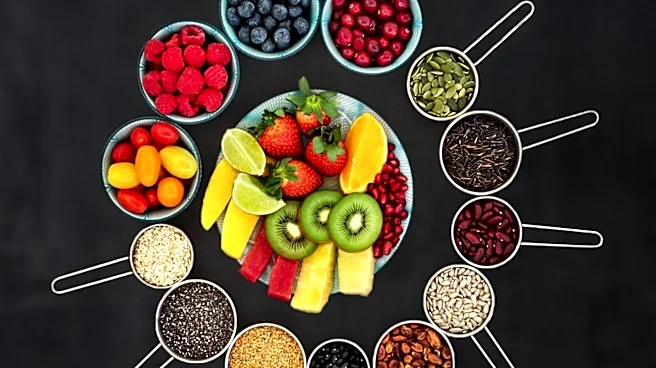
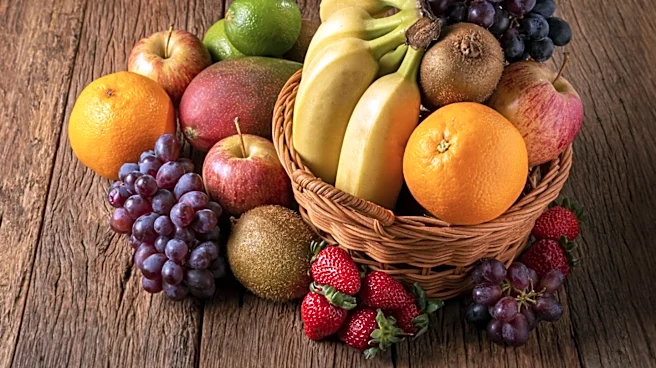
cholesterol levels by forming a gel-like substance in the gut that traps and excretes cholesterol. Fruits also contain potassium, which eases tension on blood vessel walls and counteracts the effects of sodium, contributing to lower blood pressure. Additionally, vitamins and antioxidants in fruits reduce inflammation, a major factor in cardiovascular disease. Specific examples include berries (rich in anthocyanins), grapes (phytonutrients like resveratrol), apples (pectin and quercetin), pears (high fiber content), avocados (healthy fats), citrus fruits (flavonoids), pomegranates (anthocyanins and compounds that improve heart relaxation), watermelon (lycopene and citrulline), and cherries (flavonoids and anthocyanins).
Why It's Important?
This information is crucial for addressing the high prevalence of cardiovascular disease in the U.S. By highlighting specific fruits and their mechanisms of action, it provides actionable dietary advice for individuals seeking to improve their heart health. The emphasis on whole fruits over fruit juice, due to the latter's lack of fiber and potential for sugar rush, is an important public health message. Promoting a diverse intake of fruits can help Americans meet their fiber goals and increase their consumption of beneficial plant compounds, thereby reducing the risk of heart attacks, strokes, and other cardiovascular events. This dietary approach aligns with recommendations from health organizations like the American Heart Association, offering a natural and accessible strategy for disease prevention and management.
What's Next?
Public health campaigns and dietary guidelines will likely continue to emphasize the importance of incorporating a wide variety of whole fruits into daily diets. Further research may explore the synergistic effects of different fruit compounds and their long-term impact on cardiovascular health. Healthcare providers and dietitians will continue to educate patients on specific fruit choices and preparation methods that maximize nutrient intake, such as eating apples with their skin and avoiding fruit juice. The ongoing study of compounds like those in pomegranates that improve heart relaxation could lead to new therapeutic approaches for heart failure patients, further underscoring the medicinal potential of natural foods.
Beyond the Headlines
The focus on fruits for heart health underscores a broader shift towards preventive medicine and the recognition of food as a powerful tool for health management. Beyond the direct physiological benefits, encouraging fruit consumption can foster healthier eating habits overall, potentially displacing less nutritious food choices. The article implicitly promotes a return to whole, unprocessed foods, contrasting with a diet often dominated by processed options. This has cultural implications, encouraging a re-evaluation of dietary norms and a greater appreciation for natural, nutrient-dense ingredients. The scientific breakdown of compounds like quercetin, anthocyanins, and lycopene also educates the public on the intricate biochemical interactions between food and the body, moving beyond generic 'healthy eating' advice to a more informed understanding of nutritional science.