






What's Happening?
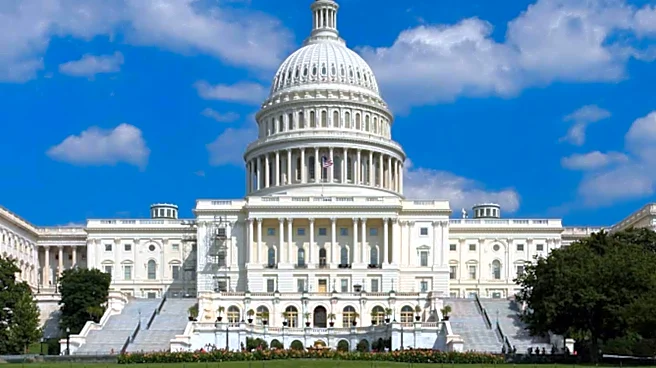
U.S. Senator Maggie Hassan, in collaboration with Senator Tim Scott of South Carolina, has introduced the Addiction Grants Modernization Act. This bipartisan legislation aims to create a centralized website and application process for substance abuse
recovery organizations seeking federal grants. The goal is to simplify and streamline the current system, which involves numerous applications across various federal government departments. By reducing bureaucratic hurdles, the bill intends to allow these organizations to dedicate more time and resources to their primary mission of combating drug addiction and supporting individuals in recovery. Senator Hassan emphasized that this initiative is crucial for New Hampshire, which has seen a decrease in overdose deaths, and for ensuring that local leaders and advocates have easier access to necessary funding.
Why It's Important?
The Addiction Grants Modernization Act addresses a significant challenge faced by organizations on the front lines of the addiction crisis: navigating complex federal funding processes. The current fragmented system, a legacy of various programs established during the opioid crisis of the 2000s and 2010s, often diverts valuable time and resources from direct service provision to administrative tasks. By centralizing the application process, the bill could significantly enhance the efficiency and effectiveness of federal funding for addiction recovery. This is particularly important for states like New Hampshire, which have been heavily impacted by the opioid crisis and are now seeing positive trends in reducing overdose deaths. Easier access to funding means more robust support for recovery programs, potentially leading to further reductions in addiction rates and associated societal costs. It also signifies a bipartisan effort to tackle a pressing national health issue, demonstrating a shared commitment to public health outcomes.
What's Next?
The Addiction Grants Modernization Act will now proceed through the legislative process in Congress. Its bipartisan sponsorship by Senator Hassan and Senator Scott suggests a potential for broader support and passage. If enacted, the next steps would involve the relevant federal agencies, likely the Department of Health and Human Services, establishing the centralized website and application system. This would require inter-agency coordination to consolidate existing grant programs and develop a user-friendly platform. Substance abuse recovery organizations would then need to be informed and trained on the new application process. The success of the initiative will depend on effective implementation and continued oversight to ensure that the streamlined process genuinely reduces administrative burdens and facilitates timely access to funding for critical recovery services.
Beyond the Headlines
Beyond the immediate goal of streamlining grant applications, this legislation touches upon broader issues of government efficiency and the impact of bureaucratic complexity on public services. The current system, characterized by 'red tape,' highlights how well-intentioned federal programs can become cumbersome, inadvertently hindering the very efforts they aim to support. This bill could serve as a model for simplifying access to federal funding in other critical areas, potentially inspiring similar reforms across various sectors. Furthermore, by focusing on addiction recovery, the act implicitly acknowledges the long-term societal benefits of investing in public health and reducing the human and economic costs of substance abuse. It underscores the idea that effective governance involves not just allocating funds, but also ensuring those funds can be accessed and utilized efficiently by those who need them most.