
What's Happening?
The United States and Israel are exerting significant pressure on Iran amidst ongoing military operations. President Trump has set a deadline for Tehran to decide on moving towards a serious agreement
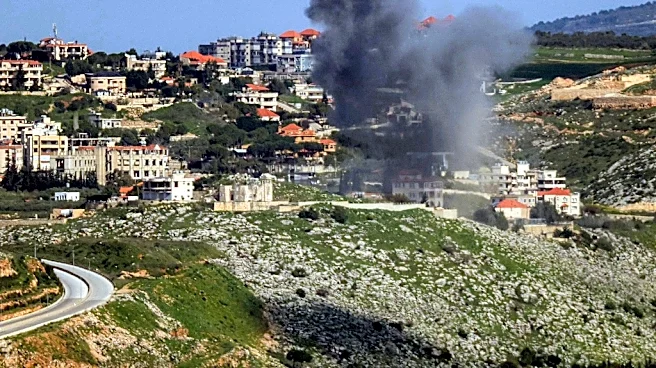
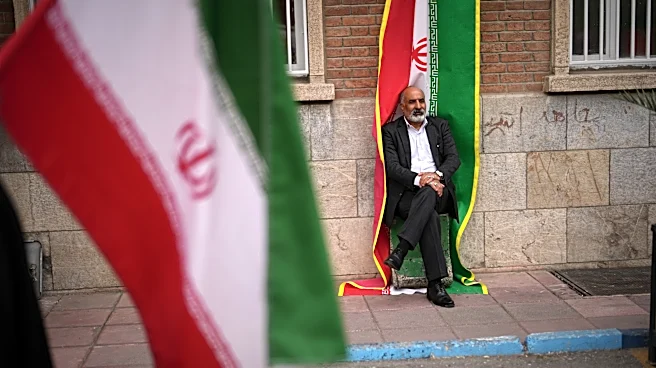
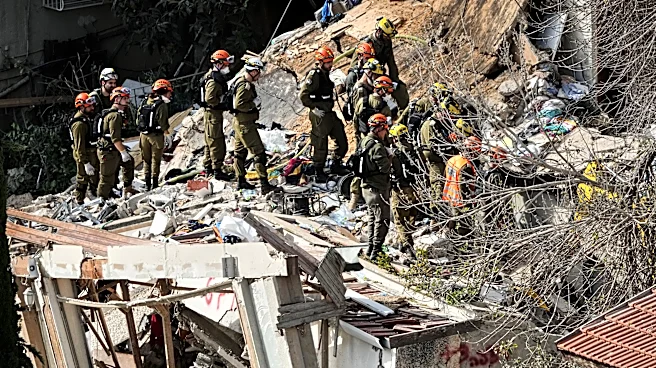
or continuing a war it is not winning. Iran has rejected an intermediate ceasefire framework and resisted reopening the Strait of Hormuz, a key maritime passage. Despite Iran's ability to inflict pain and disrupt shipping, it has not achieved strategic victories against the US and Israel. The joint US-Israeli coalition continues to dominate the conflict, with military operations targeting Iranian infrastructure and leadership chains.
Why It's Important?
The conflict has significant implications for regional stability and global energy markets. Iran's refusal to negotiate under pressure highlights its strategic challenges and the potential for prolonged instability. The US and Israel's military actions aim to degrade Iran's capabilities, potentially leading to a weakened Iranian regime. This could shift the balance of power in the Middle East, affecting alliances and economic interests. The ongoing conflict underscores the complexities of diplomacy and military strategy in addressing Iran's influence and nuclear ambitions.
What's Next?
The US and Israel are likely to continue their military operations to further weaken Iran's strategic position. Diplomatic efforts may persist, but the focus remains on narrowing Iran's choices and maintaining pressure. The potential for a broader regional conflict remains, with implications for global energy supplies and geopolitical alliances. Stakeholders, including Gulf states and international powers, will closely monitor developments and adjust their strategies accordingly.