





What's Happening?
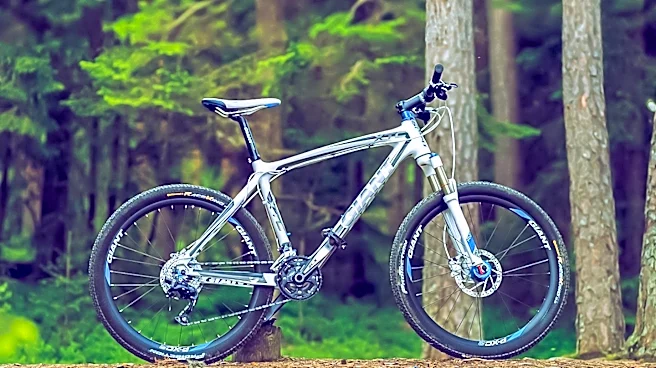
Vermont authorities have reached a $35,000 settlement with two endurance athletes, Cyril Brunner and Aaron Rice, for illegally constructing an elaborate mountain biking trail in Mount Mansfield State Forest. The trail, spanning 8,000 feet with wooden
ramps, jumps, and bridges, was discovered by then-state forestry official Mike Snyder in 2020. Brunner, an energy analyst, admitted to building the trail over three years, investing approximately 3,000 hours of labor. Both Brunner and Rice were officers of local trail organizations affiliated with the Vermont Mountain Bike Association, which manages legal trails across the state. The state's investigation revealed extensive timber cutting, with 327 trees and shrubs felled, leading to accusations of unlawful mischief and civil trespass. This incident follows another case in 2019 where a New Hampshire resident paid a $75,000 penalty for illegally cutting 839 trees in Hazen’s Notch State Park to build a ski trail. The Attorney General's office emphasized the importance of protecting public lands and ensuring sustainable forest management.
Why It's Important?
This settlement marks a significant shift in Vermont's stance against unauthorized trail building, signaling a harsher official approach to protecting state wildlands. The case highlights the tension between recreational enthusiasts seeking challenging terrain and the state's mandate to preserve natural resources. The involvement of individuals associated with legitimate trail organizations has led to a 'profound breach of trust,' according to Mike Snyder, impacting future collaborations between state officials and recreational groups. The incident also underscores the challenges posed by social media and fitness apps, which can inadvertently promote and publicize unsanctioned trails, making it harder for authorities to manage and protect sensitive ecosystems. The financial penalties and legal repercussions are intended to deter others from similar actions, reinforcing the message that rogue construction is no longer a 'benign backwoods hobby' but a serious offense with significant consequences.
What's Next?
Cyril Brunner and Aaron Rice are required to pay the $35,000 settlement, with Brunner planning to pay most of it over the next two years. They have also completed the removal of any remaining bolts and structures from the illegal trail. Both individuals continue to be involved in building legal trails, with Brunner volunteering for the Stowe Trails Partnership and Rice serving as president of the Mansfield Backcountry Alliance. The Vermont Agency of Natural Resources and the Vermont Mountain Bike Association will likely continue to work on improving communication and accountability among their members and with the state. State officials have indicated they are improving their processes for reviewing proposed trails, aiming to provide more upfront feedback. The highly publicized nature of this case is expected to serve as a deterrent, encouraging recreational users to seek proper authorization before undertaking any construction on public lands.
Beyond the Headlines
The Vermont mountain biking case delves into the evolving relationship between outdoor recreation and environmental stewardship. While some in the mountain biking community express sympathy for Brunner and Rice, citing bureaucratic hurdles in legal trail development, the state's firm action emphasizes the legal and ecological boundaries of recreational activities. The 'ask for forgiveness rather than permission' culture, historically prevalent in backcountry trail building, is now being directly challenged. This shift reflects a broader societal recognition of the need for stricter environmental protection and regulated land use, especially as outdoor recreation grows in popularity. The case also raises questions about the role of technology, like GPS-based apps, in inadvertently facilitating unauthorized activities and the responsibility of users to respect land management regulations. The long-term implication is a potential re-evaluation of how recreational access is balanced with conservation efforts, fostering a more formalized and collaborative approach to trail development.