






What's Happening?
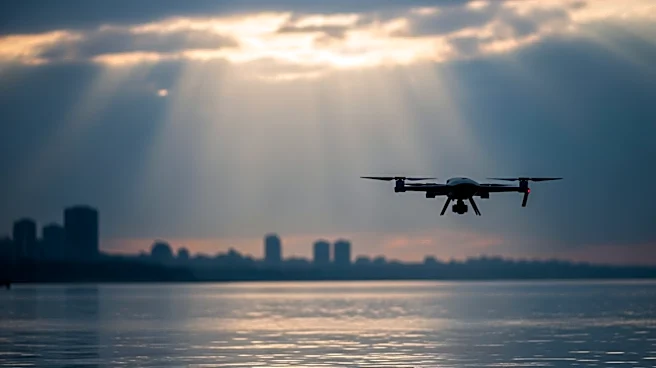
Russian drone strikes targeted the Ukrainian city of Odesa, resulting in at least two fatalities and two injuries. The attacks occurred just before a proposed Orthodox Easter ceasefire. The Ukrainian Air Force reported that Russia launched 160 drones,
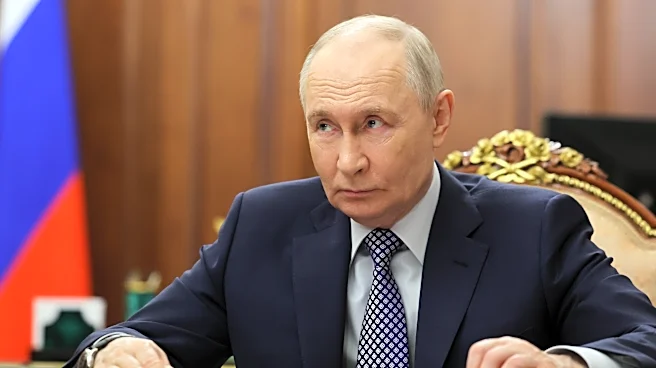
of which 133 were shot down or intercepted. Meanwhile, Russian President Vladimir Putin declared a 32-hour ceasefire over the Orthodox Easter weekend, while Ukrainian President Volodymyr Zelenskyy expressed readiness to mirror any ceasefire steps.
Why It's Important?
The continuation of hostilities despite the proposed ceasefire highlights the ongoing tensions and challenges in achieving peace between Russia and Ukraine. The drone strikes in Odesa underscore the vulnerability of civilian areas and the difficulty in enforcing ceasefires. This situation affects international relations and could influence diplomatic efforts aimed at resolving the conflict. The humanitarian impact is significant, with civilian casualties and damage to infrastructure, raising concerns about the effectiveness of ceasefire agreements.
What's Next?
The proposed ceasefire over the Orthodox Easter weekend may lead to temporary reductions in hostilities, but the continuation of drone strikes suggests that violations could occur. Both sides may engage in further negotiations to establish more lasting peace agreements. International stakeholders, including the United States and European nations, may increase diplomatic pressure on Russia to adhere to ceasefire terms and seek a resolution to the conflict.
Beyond the Headlines
The drone strikes and ceasefire violations may have broader implications for international law and the rules of engagement in conflict zones. The use of drones in warfare raises ethical questions about civilian safety and the accountability of military actions. The situation in Ukraine could influence global discussions on conflict resolution and the role of international organizations in mediating peace.