
What's Happening?
Morocco has launched an ambitious strategy to develop its defense industry, aiming for technological sovereignty and expansion into African markets. This initiative, dubbed 'Morocco's Offer,' goes beyond
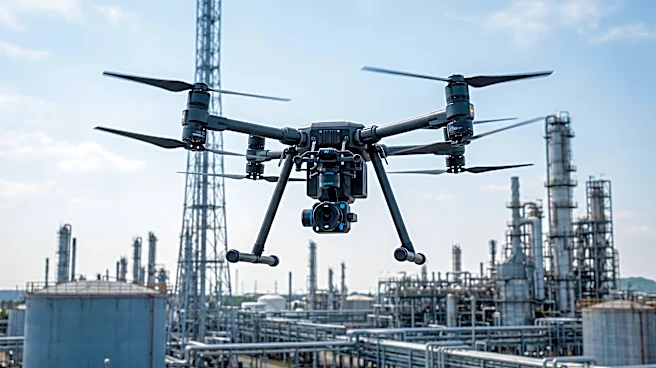
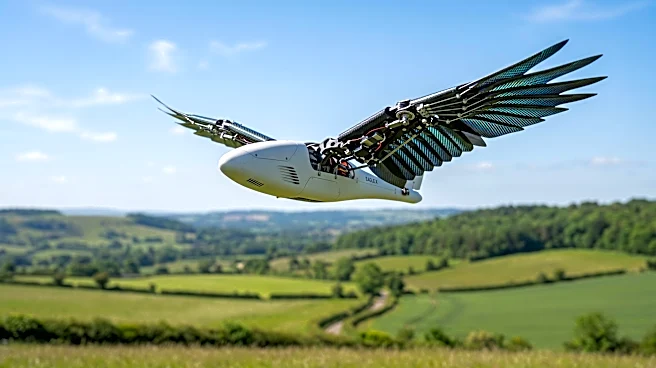
military equipment manufacturing to establish an integrated industrial ecosystem encompassing production, research, innovation, specialized training, and strategic international partnerships. The plan, with targets set for 2035, seeks to create approximately 50,000 direct and indirect jobs, meet about 40% of the Royal Armed Forces' and security agencies' needs, and generate over 65% of the industry's revenue through exports. Key technological sectors include drones, land and naval systems, defense electronics, cyber defense, and artificial intelligence. The Hassan II Fund for Economic and Social Development will contribute 4 billion dirhams to support this roadmap, which also includes a new governance structure and dedicated industrial zones.
Why It's Important?
This strategic shift is crucial for Morocco's national security and economic development. By reducing reliance on foreign suppliers, Morocco aims to enhance its industrial autonomy and resilience against global supply chain disruptions and geopolitical tensions. The initiative's focus on advanced technologies like AI and cyber defense positions Morocco as a potential leader in these critical areas within the region. Economically, the plan is designed to attract significant investment, create high-value jobs, and diversify the national economy beyond traditional sectors. The emphasis on international partnerships, particularly with American and European entities, suggests a collaborative approach to technology transfer and integration into global value chains. This could also redefine Morocco's role from a mere equipment purchaser to a production and technological cooperation hub, potentially fostering new economic ties between Europe and Africa.
What's Next?
Morocco will proceed with the implementation of its defense industry roadmap, focusing on establishing the necessary governance structures, developing industrial zones in Benguerir and Benslimane, and attracting foreign investment. The creation of a specialized academy for human capital development will be a critical next step to ensure a skilled workforce for the burgeoning industry. International partnerships will be key, with Morocco seeking to transform these collaborations into effective mechanisms for knowledge transfer and domestic capability building. The country will also explore opportunities for industrial expansion into African markets, potentially offering maintenance services, technical training, and logistical support. The success of 'Morocco's Offer' will depend on its ability to integrate domestic companies into production chains and develop competitive products for international markets by 2035.
Beyond the Headlines
The 'Morocco's Offer' initiative represents a significant long-term vision that intertwines national security with economic and technological advancement. It highlights a growing trend among nations to achieve technological sovereignty in critical sectors, driven by geopolitical uncertainties and the rapid pace of technological change. The plan's emphasis on human capital development, particularly through a specialized academy, underscores the understanding that true technological independence relies on a skilled and innovative workforce. Furthermore, the ambition to expand into African markets positions Morocco as a strategic player in regional security and economic development, potentially influencing geopolitical dynamics across the continent. This strategy could serve as a model for other developing nations seeking to build robust, self-reliant industrial bases.