








What's Happening?
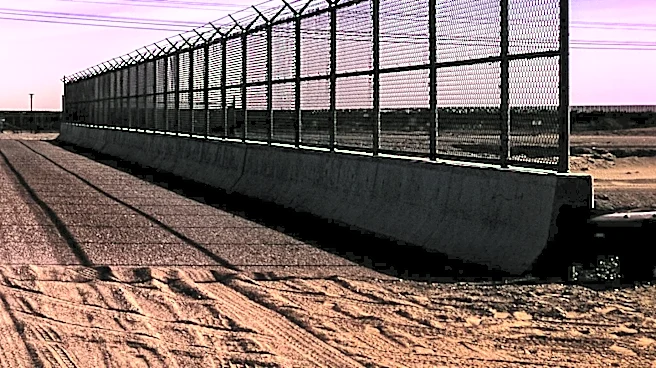
The Department of Homeland Security (DHS) has purchased two of California's largest immigrant detention facilities for $1.5 billion. The facilities, located in California City and Otay Mesa, were sold by CoreCivic, a private prison company. This acquisition
marks a shift towards federal ownership, which some critics argue is an attempt to bypass state oversight. CoreCivic will continue to manage the facilities under existing contracts with U.S. Immigration and Customs Enforcement (ICE). The contracts for these facilities are set to expire in 2027 and 2029, respectively, with options for extension. The sale has sparked criticism, with some suggesting that federal ownership could limit state involvement in oversight, particularly concerning detainee treatment and facility conditions.
Why It's Important?
The acquisition of these detention centers by DHS is significant as it reflects a broader federal strategy to consolidate control over immigration detention facilities. This move could potentially reduce state oversight, which has been a point of contention, especially in states like California that have sought to impose stricter regulations on detention conditions. The shift to federal ownership may also impact the legal landscape, as it could provide the federal government with stronger defenses against litigation related to facility operations. This development is crucial for stakeholders, including immigrant advocacy groups, state governments, and private prison companies, as it may influence future policies and practices in immigration detention.
What's Next?
With the change in ownership, there may be modifications to the terms of the existing contracts between CoreCivic and ICE. Additionally, discussions are ongoing about the potential sale of more facilities, indicating that further federal acquisitions could occur. Stakeholders, including state officials and immigrant rights advocates, are likely to continue monitoring the situation closely, advocating for transparency and humane conditions in detention centers. The outcome of these developments could shape the future of immigration detention practices in the U.S., particularly in terms of oversight and accountability.