


What's Happening?
Iran's missile fire at Israel has prompted analysis from Israeli officials regarding Tehran's strategy and control. The missile launches, which forced millions into bomb shelters, were not extensive in number, leading to speculation about Iran's intentions.
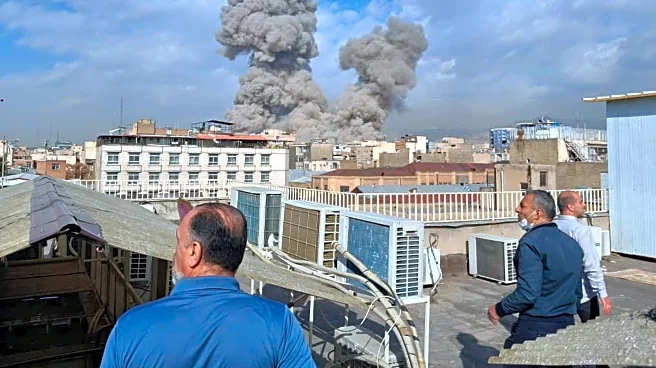
Officials are considering whether Iran is attempting to wear down the population through sustained alerts or if the limited scale indicates operational challenges. In response, Israeli Air Force jets and UAVs are targeting missile launchers to reduce fire volume and establish air superiority. The Israeli military has launched a wide-ranging assault on Iranian missile sites, aiming to cripple Iran's air defense and missile capabilities.
Why It's Important?
The missile exchanges between Iran and Israel underscore the ongoing tensions in the region and the potential for escalation. The situation highlights the strategic importance of air superiority and missile defense in modern warfare. Israel's efforts to target Iranian missile sites aim to blunt Iran's offensive capabilities, which could have significant implications for regional stability. The involvement of the U.S. in coordinating air defense systems with Israel further emphasizes the international dimension of the conflict.
What's Next?
The Israeli military is expected to continue its operations targeting Iranian missile systems and air defenses. The situation may lead to further military engagements, with potential impacts on regional security dynamics. The international community will likely monitor developments closely, given the potential for broader conflict. The effectiveness of Israel's air defense systems and its ability to maintain air superiority will be critical in shaping the outcome of this confrontation.