


What's Happening?
The agricultural sector on Long Island is facing significant challenges due to recent crackdowns by U.S. Immigration and Customs Enforcement (ICE). These enforcement actions have targeted migrant workers, crucial to the region's agricultural operations,
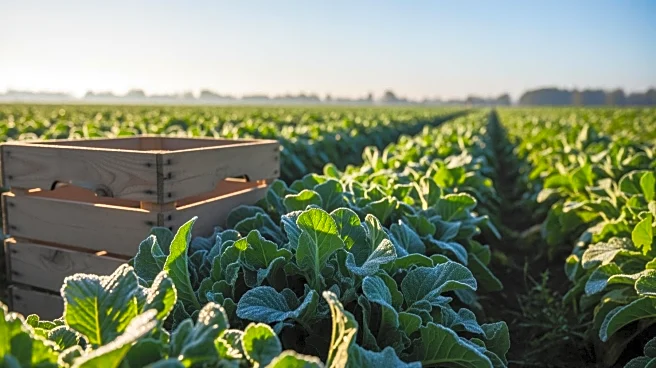
particularly in vineyards and farms. A recent raid in Greenport resulted in the detention of two workers from Pindar Vineyards, causing concern among local agricultural businesses about potential workforce shortages. The Long Island Farm Bureau estimates that a significant portion of the agricultural workforce consists of seasonal migrants, whose absence could lead to reduced production. The situation is exacerbated by the timing, as many farms are ramping up operations for the spring season.
Why It's Important?
The ICE crackdowns have broader implications for the agricultural industry on Long Island and potentially across the U.S. Migrant workers are essential to maintaining the productivity of farms and vineyards, and their absence could lead to economic losses and reduced agricultural output. This situation highlights the dependency of the agricultural sector on immigrant labor, raising questions about the sustainability of current immigration enforcement policies. The potential reduction in workforce could force farms to cut back on production, impacting local economies and food supply chains. Additionally, the fear and uncertainty among immigrant communities could lead to further workforce instability.
What's Next?
As the spring season approaches, agricultural businesses on Long Island are preparing for the possibility of further ICE raids. There is a call for immigration reform that considers the unique needs of the agricultural sector, separating it from broader immigration issues. Local farm advocates are cautious in their public statements, fearing that drawing attention could lead to increased enforcement actions. The next 30 days are critical as farms and greenhouses begin their peak operations, and any disruptions in the workforce could have significant consequences for the upcoming growing season.