


What's Happening?
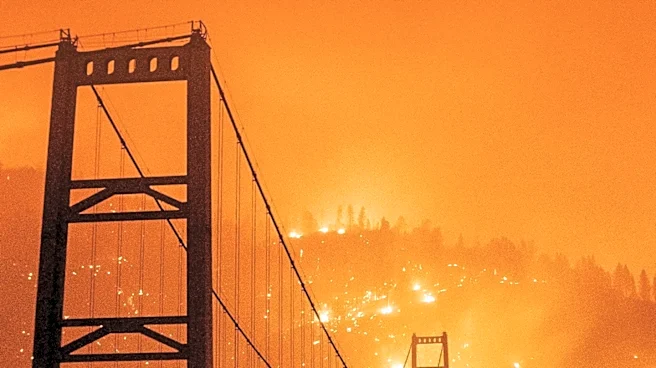
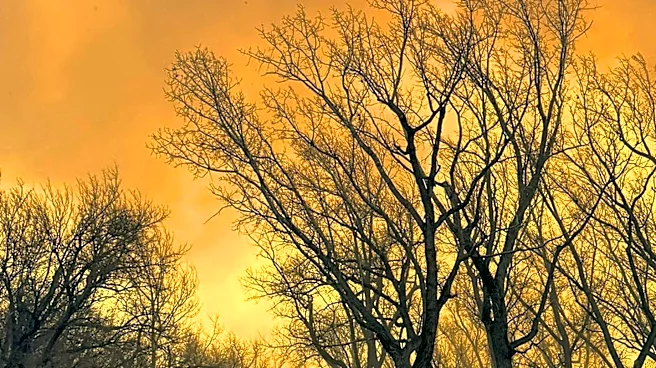
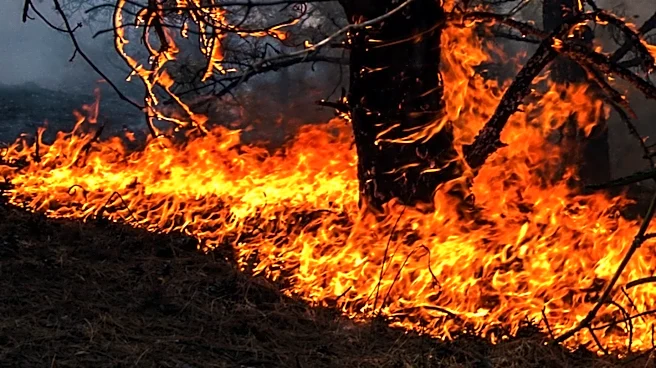
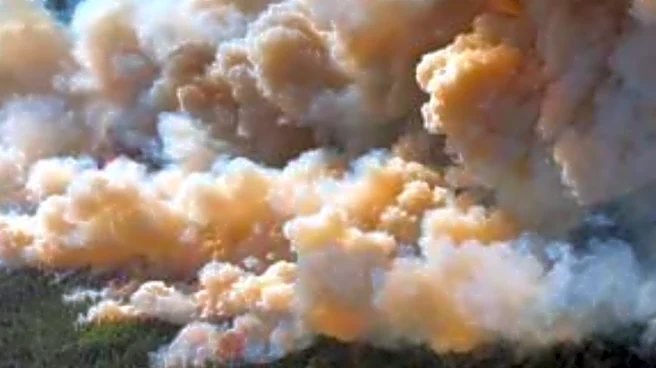
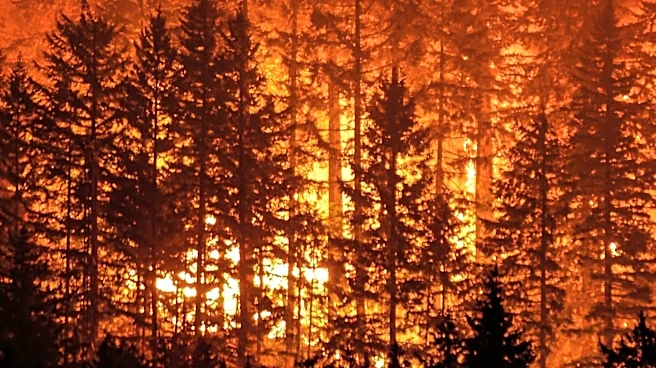
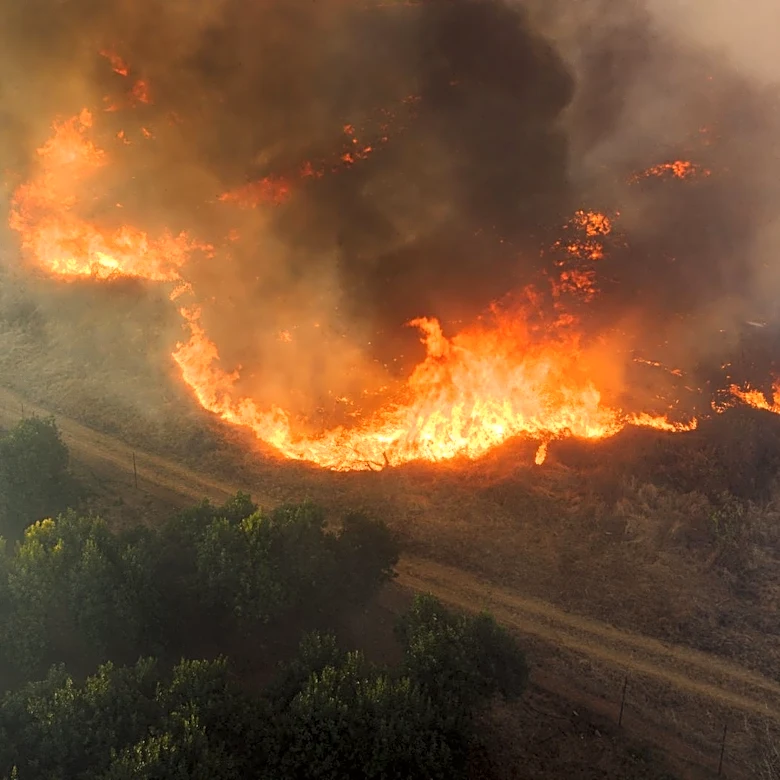
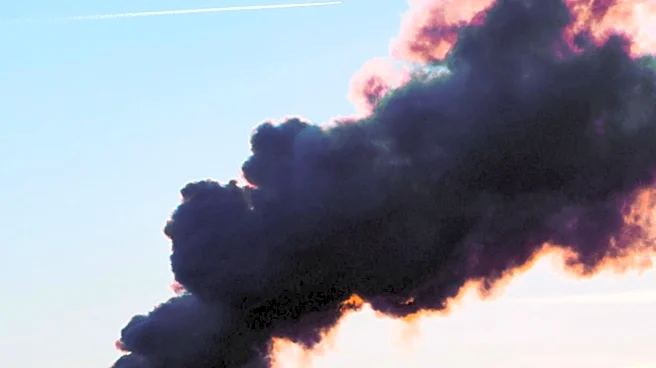
Canadian wildfires are significantly affecting air quality across the Midwest and Northeast United States. According to AccuWeather, smoke from over 900 active wildfires in Canada, particularly in western Ontario, is being carried into the U.S. by prevailing
weather patterns. This has resulted in periodic episodes of haze and unhealthy air conditions, which are expected to persist into August. The Canadian Wildland Fire Information System reports that nearly 3,950 fires have burned over 3.3 million hectares this year. Many of these fires are in remote areas, complicating firefighting efforts. The smoke contains fine particulate matter, PM2.5, which poses serious health risks, especially to vulnerable populations such as children, the elderly, and those with pre-existing health conditions.
Why It's Important?
The ongoing wildfire smoke poses significant public health risks, with potential long-term impacts on respiratory and cardiovascular health. Studies have shown that exposure to wildfire smoke can lead to thousands of excess deaths annually in the U.S. and could result in economic damages reaching $608 billion per year by 2050. The situation underscores the need for effective public health responses and highlights the broader implications of climate change, which is contributing to more frequent and severe wildfires. The persistent smoke also raises concerns about the adequacy of current air quality management and emergency response systems in dealing with such transboundary environmental issues.
What's Next?
Meteorologists predict that the smoke will continue to affect U.S. air quality until significant rainfall occurs in the affected Canadian regions. However, meaningful rainfall is not expected until late August or the fall, when larger storms typically bring relief. In the meantime, public health officials are likely to continue issuing air quality alerts and advising vulnerable populations to take precautions. The situation may prompt further discussions on cross-border environmental policies and the need for coordinated efforts to address the root causes of increased wildfire activity.