







What's Happening?
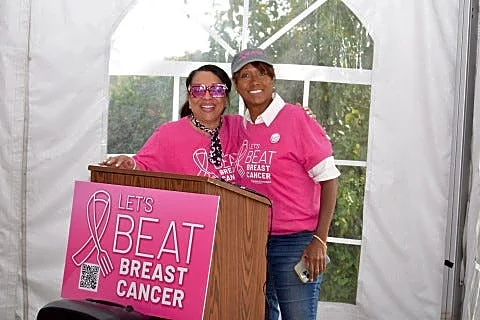
A research team led by Hackensack Meridian Health's Center for Discovery and Innovation has been awarded a five-year, $3.7 million federal grant from the National Cancer Institute. This funding will support the 'Witness Project Lung' initiative, which
aims to close the significant gap in lung cancer screening rates among eligible African Americans. Currently, fewer than 2% of eligible African Americans undergo lung cancer screening, a stark contrast to the national average of approximately 18%. The project will utilize trained community members, known as Witness Role Models, who will share personal stories to encourage peers to seek screening. Lay Health Advisors will also provide navigation support in trusted community settings, including 22 churches and community-based organizations across northern New Jersey and New York City, with partnerships extending to the New York City Housing Authority. Dr. Lisa Carter-Bawa, director of the Cancer Prevention Precision Control Institute at the CDI, is the principal investigator, collaborating with co-principal investigators from Memorial Sloan Kettering Cancer Center and the Icahn School of Medicine at Mount Sinai.
Why It's Important?
This grant addresses a critical health disparity, as the low lung cancer screening rate among African Americans contributes to poorer health outcomes and higher mortality rates within this population. Lung cancer is a leading cause of cancer-related deaths, and early detection through screening significantly improves survival rates. By focusing on community-based outreach and leveraging trusted voices, the Witness Project Lung aims to overcome barriers to screening, such as lack of awareness, mistrust in the healthcare system, and systemic inequities. If successful, this model could serve as a blueprint for other health systems seeking to improve cancer prevention and screening rates in other underserved communities across the nation. The project's emphasis on established community networks and personal narratives is crucial for building trust and encouraging participation in preventive health measures.
What's Next?
The Witness Project Lung initiative will run through June 2031, during which time the research team will measure the effectiveness of its community-based outreach model in increasing lung cancer screening rates among eligible African Americans. The five-year timeline is designed to provide robust data on whether this approach can meaningfully improve screening uptake in a population historically underserved by conventional health communication strategies. The findings from this project will be critical in informing future public health policies and outreach programs aimed at reducing cancer disparities. If the model demonstrates measurable gains, it could lead to broader implementation of similar community-led initiatives in other regions and for other types of cancer screenings, potentially influencing how healthcare systems engage with diverse populations to promote preventive care.
Beyond the Headlines
The Witness Project Lung highlights the broader implications of health equity and the need for culturally sensitive and community-centered approaches in public health. The significant disparity in lung cancer screening rates underscores systemic issues within the healthcare system, including access barriers, historical biases, and communication gaps. By empowering community members as 'Witness Role Models,' the project acknowledges the power of lived experience and peer influence in health decision-making. This approach moves beyond traditional clinical settings, recognizing that health interventions are often more effective when integrated into the social fabric of a community. The collaboration between major health systems also signifies a growing recognition that addressing complex health disparities requires inter-institutional partnerships and a shared commitment to equitable health outcomes.