








What's Happening?
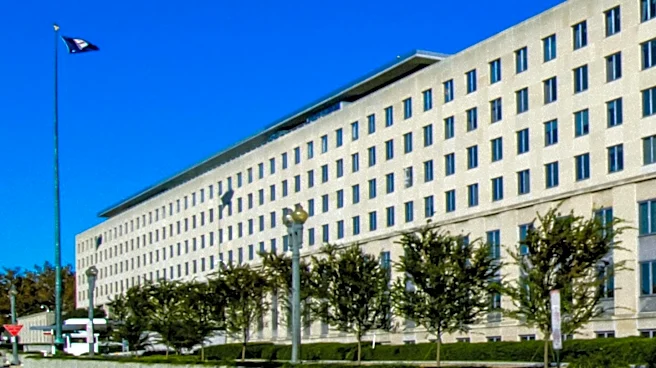
The U.S. Department of State is actively recruiting for a Supervisory Program Analyst within its Bureau for International Narcotics and Law Enforcement Affairs (INL), specifically in the Office of Security Assistance and Operations (INL/SAO). This position
is based at the Department of State Headquarters. The INL/SAO is responsible for managing the development and execution of INL's budget and overseeing the administration of all INL counter-narcotics and law enforcement programs globally. Key duties for the Supervisory Program Analyst include advising INL leadership on major security assistance program issues, managing supervisory and management duties for bureau-wide accountability and training functions, and coordinating INL's engagement with oversight bodies such as the Office of the Inspector General (OIG) and the Government Accountability Office (GAO). Applicants must be U.S. citizens, subject to random drug testing, and capable of obtaining and maintaining a Top Secret security clearance. The role requires specialized experience equivalent to the GS-14 level in the federal service, focusing on strategic goal setting, budget management, risk mitigation, and staff development within the context of INL security assistance programs. The Department of State also outlines procedures for requesting reasonable accommodations for assessments through its Office of Accessibility and Accommodations (OAA).
Why It's Important?
This recruitment highlights the U.S. Department of State's ongoing commitment to strengthening its international counter-narcotics and law enforcement efforts. The Supervisory Program Analyst plays a critical role in ensuring the effective and efficient operation of programs designed to combat illicit drug trafficking and enhance law enforcement capabilities in partner nations. The position's focus on financial management, program oversight, and coordination with oversight bodies underscores the importance of accountability and strategic planning in U.S. foreign policy initiatives. The successful candidate will contribute to mitigating risks associated with security assistance programming and ensuring compliance with federal regulations. This role is vital for maintaining the integrity and impact of U.S. efforts to promote global security and stability, directly affecting the effectiveness of international partnerships and the protection of U.S. interests abroad. The emphasis on specialized experience and security clearance reflects the sensitive and high-stakes nature of these international programs.
What's Next?
The application process for the Supervisory Program Analyst position involves an initial review of applications, followed by an evaluation of qualifications. Candidates will undergo competency-based assessments, and top-qualified applicants will be referred to the hiring manager for selection consideration. The Department of State anticipates updating applicants on their status through various hiring phases, including after applications are received, assessed, and referred, and once a selection is made. For selected candidates, a tentative job offer will be extended, contingent on a suitability review and/or security background investigation, which typically takes two to six months. The Department also notes that multiple positions may be filled from this announcement, and eligible applicants may be referred to similar roles in other bureaus for up to 240 days, with varying security clearance and telework requirements. The Office of Accessibility and Accommodations will continue to handle requests for reasonable accommodations throughout the assessment process.
Beyond the Headlines
The recruitment for this specialized role within the Department of State reflects broader trends in U.S. foreign policy, particularly the increasing emphasis on integrated approaches to national security that combine diplomatic, development, and defense tools. The focus on international narcotics and law enforcement programs acknowledges the transnational nature of organized crime and its direct impact on U.S. security and public health. This position is not merely administrative; it is integral to shaping and executing strategies that address complex global challenges, such as drug trafficking, corruption, and instability in fragile states. The need for robust oversight and accountability, as highlighted by the coordination with OIG and GAO, points to a commitment to transparency and effective use of taxpayer funds in foreign assistance. Furthermore, the emphasis on professional development and training within the bureau indicates an investment in human capital to sustain long-term foreign policy objectives and adapt to evolving threats.