




What's Happening?
U.S. Sen. Tammy Baldwin is advocating for the 'For the Fans Act,' a bill designed to guarantee free access to broadcast sports events for fans in their home states. This initiative comes in response to a growing trend of major sports events, such as Green
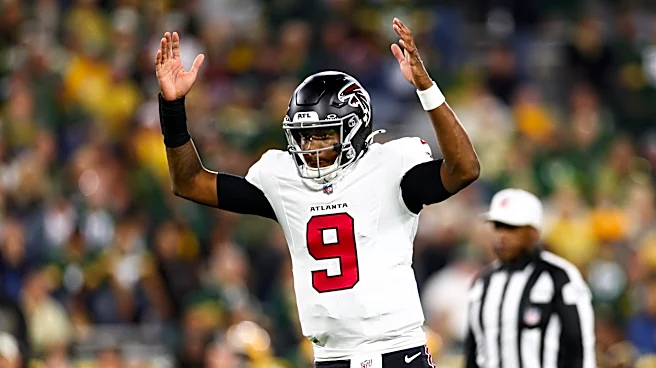
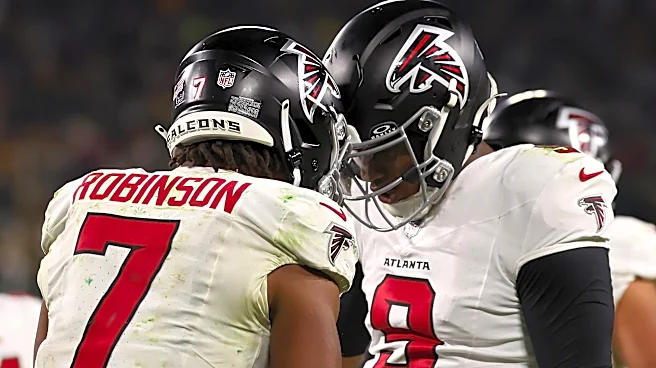
Bay Packers games, being exclusively broadcast on subscription-based streaming services like Amazon Prime and Netflix. Senator Baldwin highlighted this issue during a Zoom press conference on September 24, coinciding with the Green Bay Packers' home opener against the Atlanta Falcons, which was only available via Amazon Prime. The bill aims to ensure that while sports leagues can still make deals with streaming services, they must also provide a free viewing option for the local market. This means that teams like the Green Bay Packers, Milwaukee Brewers, and Milwaukee Bucks would need to have a free broadcast alternative available in Wisconsin. The proposed legislation also seeks to prevent game blackouts for local markets, addressing concerns from fans who subscribe to services but still find certain games unavailable.
Why It's Important?
The 'For the Fans Act' addresses significant economic and social implications for U.S. households and local businesses. Senator Baldwin estimates that the annual cost for Wisconsin households to access all Packers, Bucks, and Brewers games through streaming services could reach an average of $1,400. This financial burden is particularly impactful at a time when many families are facing strained budgets. Beyond individual households, the bill also aims to alleviate financial pressure on sports bars and restaurants, which often incur substantial costs to subscribe to multiple streaming services to show games. Don Mjelde, eastern district vice president of the Wisconsin Tavern League, noted that Thursday night football games, exclusively on Amazon Prime, can cost business owners anywhere from $1,100 to $95,000 annually, depending on the business size. These rising costs and potential fines for non-compliance threaten the profitability of small businesses that rely on sports broadcasts to attract customers and foster community gatherings. The legislation underscores the cultural significance of sports in unifying communities and the economic role these events play for local establishments.
What's Next?
The 'For the Fans Act' will proceed through the legislative process, where it will likely undergo committee review and potential debate in the Senate. Senator Baldwin and proponents of the bill will seek bipartisan support to advance the legislation. The Wisconsin Tavern League, representing numerous small businesses, has expressed strong support for the bill, hoping it will regulate streaming costs and prevent blackouts. The outcome of this legislative effort could set a precedent for how sports broadcasting rights are managed across the U.S., potentially influencing future deals between sports leagues and streaming platforms. If passed, the act would mandate changes in how major sports events are distributed, ensuring that local fans and businesses have free access to games, thereby mitigating the financial strain and preserving the communal aspect of sports viewing.
Beyond the Headlines
The 'For the Fans Act' touches upon broader issues concerning media consumption, digital access, and the evolving landscape of sports entertainment. The shift of traditional broadcast content to exclusive streaming platforms highlights a growing digital divide, where access to popular cultural events becomes contingent on subscription fees and internet availability. This trend could marginalize segments of the population who cannot afford multiple streaming services or lack reliable internet access, potentially eroding the shared experience of sports fandom. The bill also raises questions about the balance between commercial interests of sports leagues and broadcasters versus public access to culturally significant events. It could spark a larger conversation about regulatory oversight in the digital streaming era, particularly regarding content that has historically been considered a public good. The legislation's success or failure could influence future policy decisions on digital content accessibility and consumer rights in an increasingly paywalled media environment.