


What's Happening?
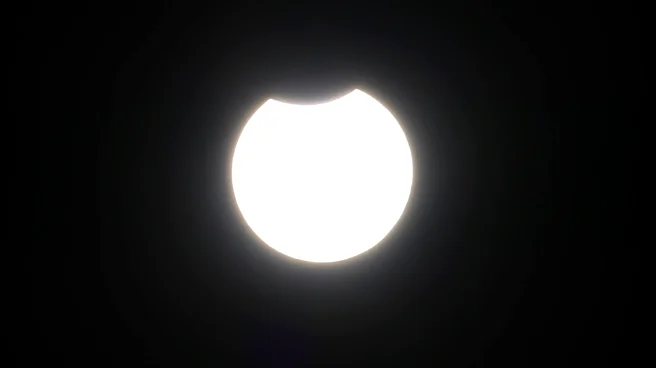
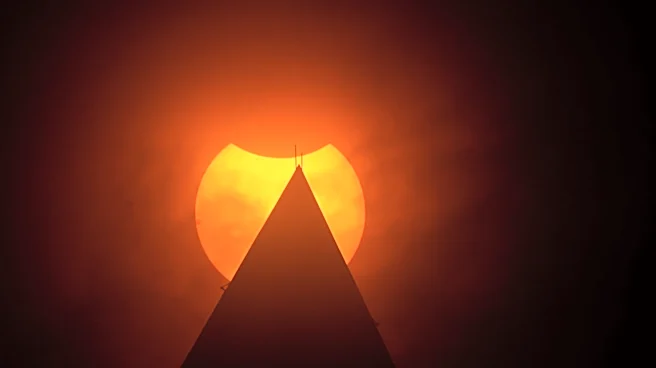
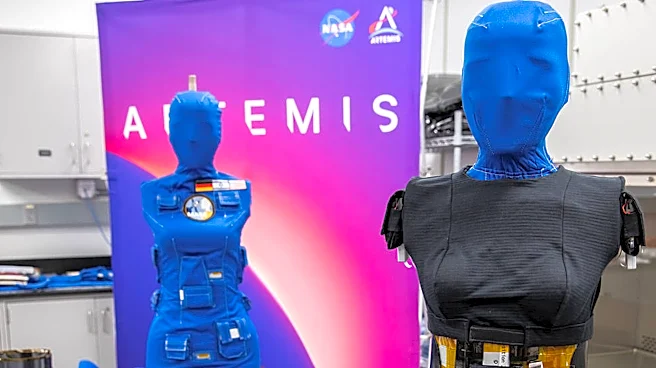
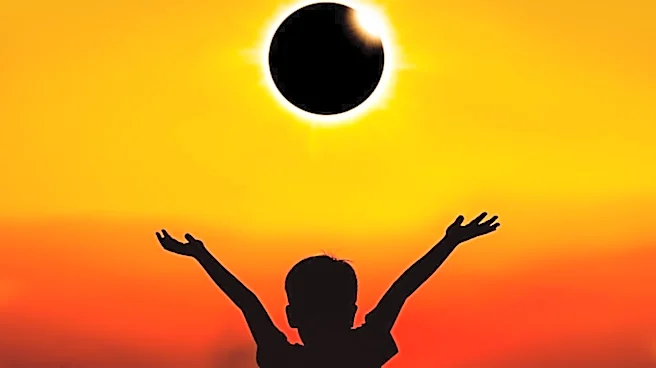
The Weather Channel has addressed a conspiracy theory suggesting that a solar eclipse would cause a temporary loss of gravity. This rumor, partly fueled by a TikTok video claiming NASA's involvement in a project called 'Project Anchor,' has been debunked
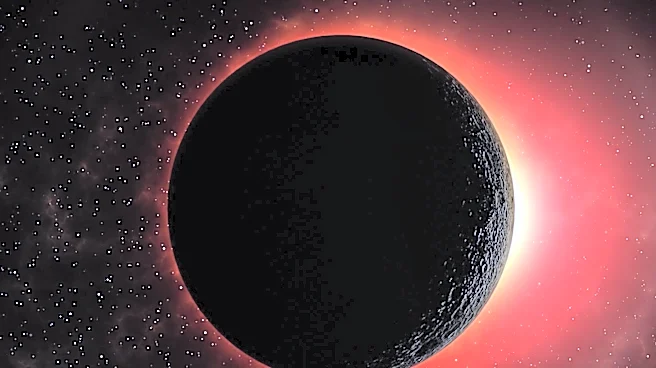
by NASA. The agency clarified that Earth's gravity is determined by its mass and is unaffected by solar eclipses. While solar eclipses can influence tidal forces due to the gravitational pull of the sun and moon, they do not impact Earth's overall gravity.
Why It's Important?
This incident highlights the role of misinformation in shaping public perception and the importance of credible scientific communication. The spread of such conspiracy theories can lead to public confusion and undermine trust in scientific institutions. By addressing these myths, organizations like NASA and the Weather Channel play a crucial role in educating the public and maintaining scientific integrity. This situation also underscores the need for critical thinking and media literacy in an era where misinformation can spread rapidly through social media platforms.
What's Next?
As misinformation continues to circulate, scientific organizations and media outlets may need to enhance their efforts in public education and outreach. This could involve more proactive engagement on social media platforms to counteract false narratives and provide accurate information. Additionally, there may be a push for educational initiatives that focus on improving media literacy and critical thinking skills among the public. The ongoing challenge will be to effectively communicate complex scientific concepts in a way that is accessible and engaging to a broad audience.