




What's Happening?
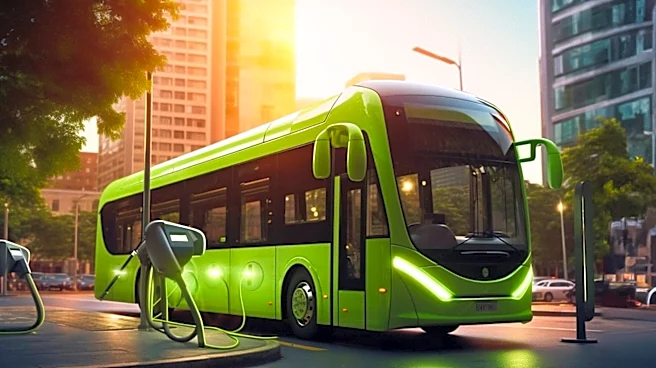
The Mendocino Transit Authority (MTA) is celebrating 50 years of service by introducing a new fleet of seven battery-electric vehicles. This new fleet includes three 35-foot Gillig electric buses, three 26-foot Endera electric shuttle buses, and one Ford
E-Transit van for Dial-A-Ride services. MTA also plans to add two more Ford E-Transit Dial-A-Ride vehicles in the near future, further expanding its zero-emission fleet. These electric vehicles are designed to offer a quieter, smoother, and more comfortable ride for passengers and drivers due to significantly reduced engine noise and vibration compared to conventional buses. The transition to an electric fleet aims to reduce diesel and gasoline consumption, eliminate tailpipe emissions during operation, and potentially lower maintenance costs due to fewer moving engine components. Representative Jared Huffman commended MTA's efforts, stating that public transportation is essential for connecting Mendocino County and that these new electric vehicles represent an important investment in the future of transit.
Why It's Important?
This initiative by the Mendocino Transit Authority is a significant step towards sustainable public transportation in a rural U.S. county. The adoption of electric vehicles contributes directly to environmental goals by reducing greenhouse gas emissions and improving air quality, which is crucial for public health and combating climate change. Economically, the move to electric vehicles can lead to long-term cost savings through reduced fuel consumption and potentially lower maintenance expenses, allowing MTA to allocate more resources to service provision. For the community, the new fleet offers an enhanced rider experience with quieter and more comfortable journeys, potentially encouraging greater public transit ridership. This modernization also positions Mendocino County as a leader in clean transportation, demonstrating how rural areas can embrace advanced technologies to meet both their transportation needs and environmental responsibilities. The project highlights the importance of federal and state support, as acknowledged by MTA, in enabling such significant infrastructure upgrades.
What's Next?
MTA plans to meticulously track the performance of its new electric fleet, monitoring factors such as range, energy use, reliability, maintenance requirements, and cost savings. This data collection will be crucial for evaluating the long-term effectiveness and benefits of electric public transit in diverse conditions, including Mendocino County's rural, coastal, and highway environments. The insights gained from this tracking will inform future decisions regarding fleet expansion and operational strategies, potentially influencing other transit agencies considering similar transitions. The addition of two more Ford E-Transit vehicles will further enhance MTA's capacity for flexible, demand-response transportation. The success of this electric fleet could serve as a case study for other rural transit systems across the U.S., demonstrating the feasibility and advantages of transitioning to zero-emission vehicles.
Beyond the Headlines
The shift to an electric fleet by the Mendocino Transit Authority represents more than just an upgrade in vehicles; it signifies a broader cultural and technological transformation in public services. It underscores a growing commitment to sustainability and innovation, even in areas traditionally reliant on conventional fuel sources. This move can inspire other smaller and rural communities to explore similar transitions, demonstrating that advanced environmental solutions are not exclusive to large metropolitan areas. Furthermore, the project highlights the evolving role of public transportation as a key player in achieving national climate goals and fostering community well-being. By providing cleaner, more efficient, and comfortable transit options, MTA is not only improving daily commutes but also contributing to a healthier environment and a more connected community. This initiative also touches upon the broader economic implications of the green energy transition, including job creation in manufacturing and maintenance of electric vehicles and infrastructure.