





What's Happening?
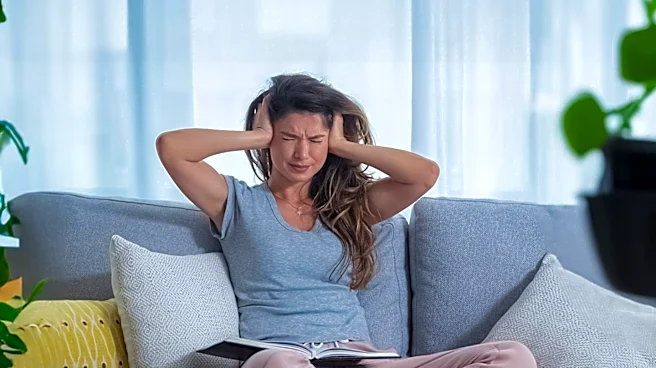
A significant review published in Anaesthesia has revealed that persistent pain following caesarean delivery can affect women for months or even years after childbirth. This chronic postsurgical pain significantly disrupts various aspects of daily life,
including general activity, walking, work, and sleep. The review, which analyzed 30 studies involving 28,295 women across 22 countries, also found links between chronic pain and fatigue, as well as poorer mental health. In the initial months post-childbirth, over half of women experiencing chronic pain reported interference with their general activity and mood, with 43% indicating it impacted their sleep. These effects were observed to persist at six and twelve months, and chronic pain was also associated with higher rates of depressive symptoms.
Why It's Important?
This research is particularly relevant given the increasing prevalence of caesarean deliveries globally, including in the U.S. The findings underscore a critical, often overlooked, aspect of maternal health: the long-term physical and psychological consequences of C-sections. For women, chronic pain can severely diminish quality of life, affecting their ability to care for newborns, return to work, and maintain personal well-being. The association with depressive symptoms highlights the interconnectedness of physical and mental health post-childbirth. This necessitates a re-evaluation of post-caesarean care, moving beyond immediate wound healing to include comprehensive support for persistent pain, sleep disturbances, and psychological well-being, ensuring that women receive holistic care that addresses their long-term health needs.
What's Next?
The findings suggest a need for healthcare providers to extend post-caesarean care beyond the immediate recovery period. This includes implementing early assessment protocols for persistent pain and providing multidisciplinary support. Such support should encompass physical therapy, pain management strategies, and psychological counseling to address the impact on sleep and mental health. Policymakers and healthcare organizations may consider developing standardized guidelines for long-term follow-up care for women who have undergone C-sections. Additionally, there is a potential for increased research into preventative measures for chronic post-surgical pain and more effective, non-pharmacological interventions to improve the recovery experience for mothers.
Beyond the Headlines
The issue of chronic pain after C-sections touches upon broader societal and cultural expectations surrounding childbirth and motherhood. There is often an emphasis on the health of the baby, sometimes overshadowing the mother's long-term recovery and well-being. This review brings to light the 'invisible' suffering many women endure, challenging the notion that a C-section is a 'simpler' or less impactful birth experience. It also raises questions about the medicalization of childbirth and the potential for over-reliance on surgical interventions without fully addressing their long-term consequences. Acknowledging and addressing this chronic pain is crucial for promoting women's health, advocating for comprehensive maternal care, and fostering a more supportive environment for mothers post-delivery.