


What's Happening?
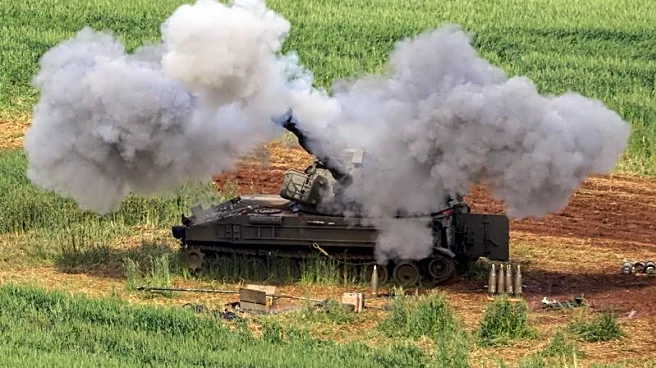
The ongoing conflict in the Persian Gulf has significantly disrupted global oil and gas markets, leading to a resurgence in coal usage. This shift is primarily driven by a second major gas supply crunch in just over four years, compelling countries across
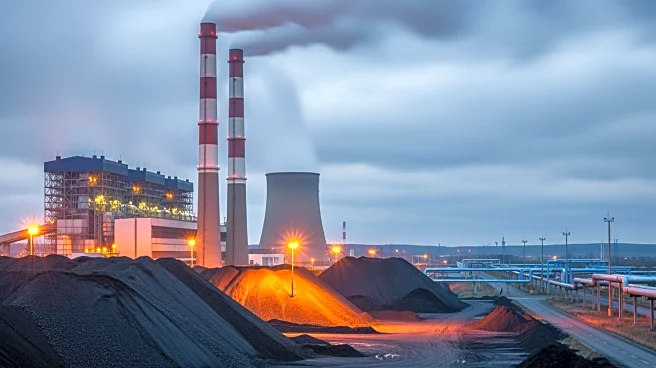
Europe and Asia to revert to coal as a more readily available energy source. Japan, a major gas importer, has announced plans to increase the use of coal power plants to diversify its energy sources. Similarly, countries like Bangladesh and India are relying more heavily on coal to compensate for energy shortfalls. In Europe, nations such as the Netherlands, Poland, and the Czech Republic may also increase coal usage if gas prices remain elevated. This trend poses a challenge to climate negotiators who have long sought to phase out coal due to its high emissions.
Why It's Important?
The shift back to coal has significant implications for global efforts to reduce carbon emissions and combat climate change. Coal is the most carbon-intensive fossil fuel, and its increased use could reverse years of progress in reducing harmful emissions. The situation highlights the vulnerability of global energy systems to geopolitical conflicts and the challenges of transitioning to cleaner energy sources. For emerging economies, the high cost of gas is forcing a reliance on coal, which could delay their transition to renewable energy. This development underscores the need for more resilient and diversified energy strategies that can withstand geopolitical shocks.
What's Next?
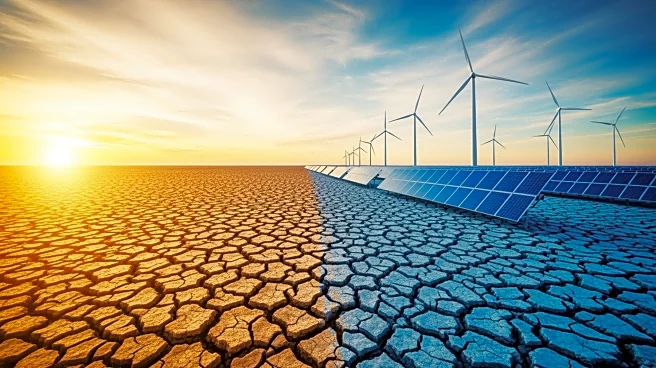
Countries affected by the gas supply shock may continue to rely on coal in the short term, but there is likely to be increased pressure to accelerate the development of renewable energy sources. Governments may need to reassess their energy policies to ensure a more stable and sustainable energy supply. The situation could also lead to increased investment in renewable energy infrastructure and technologies as countries seek to reduce their dependence on fossil fuels. Additionally, international cooperation may be necessary to address the broader implications of energy supply disruptions and to support a global transition to cleaner energy.
Beyond the Headlines
The resurgence of coal usage raises ethical and environmental concerns, particularly regarding the long-term impacts on climate change and public health. The increased emissions from coal could exacerbate air pollution and contribute to global warming, affecting vulnerable populations the most. There is also a risk that the current energy crisis could slow down the momentum for global climate agreements and commitments. The situation highlights the need for a balanced approach that considers both immediate energy needs and long-term sustainability goals.