





What's Happening?
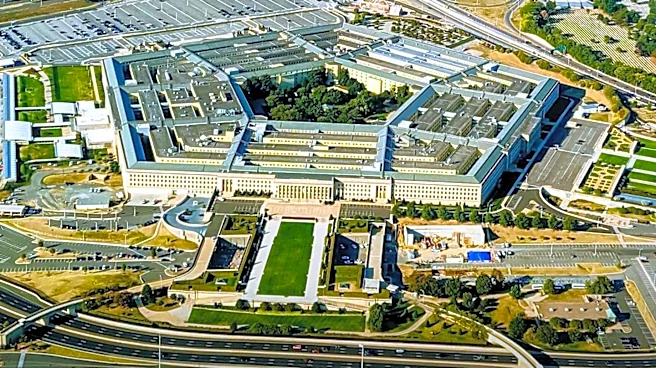
Secretary Hegseth appeared before a Senate committee to address concerns over the rising costs associated with the ongoing conflict with Iran. The hearing became contentious as senators questioned the financial implications and strategic decisions related
to the military engagement. Hegseth defended the need for increased funding, citing recent Iranian attacks on U.S. allies in the region as justification for continued military presence and operations. The discussion highlighted the complexities of foreign policy and defense spending, with lawmakers expressing differing views on the best course of action.
Why It's Important?
The financial burden of the conflict with Iran is a critical issue, impacting the U.S. economy and federal budget allocations. The debate over military spending reflects broader concerns about national security priorities and fiscal responsibility. For policymakers, balancing defense needs with domestic economic pressures is a challenging task. The outcome of these discussions could influence future defense budgets and U.S. foreign policy, affecting military strategy and international relations. The public and stakeholders are closely watching these developments, as they have far-reaching implications for national security and economic stability.
What's Next?
The Senate committee is expected to continue its scrutiny of defense spending, potentially leading to adjustments in budget proposals or strategic military plans. Lawmakers may call for additional hearings or reports to assess the effectiveness and necessity of current military operations in the region. The administration might also face pressure to justify its foreign policy decisions and provide clearer strategies for conflict resolution. As the situation evolves, diplomatic efforts and international negotiations could play a role in shaping the future of U.S.-Iran relations.