







What's Happening?
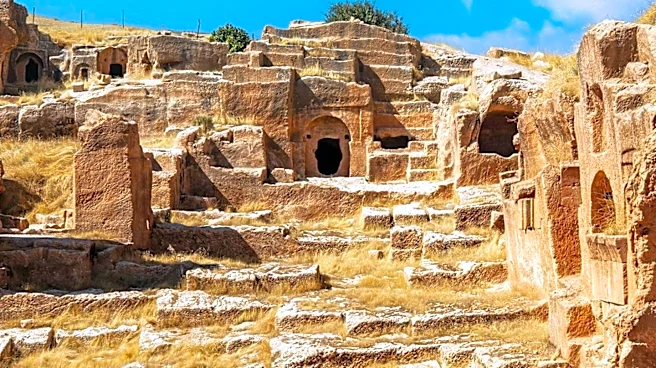
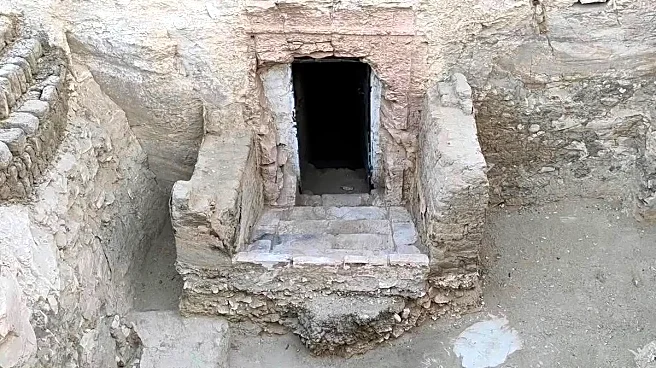
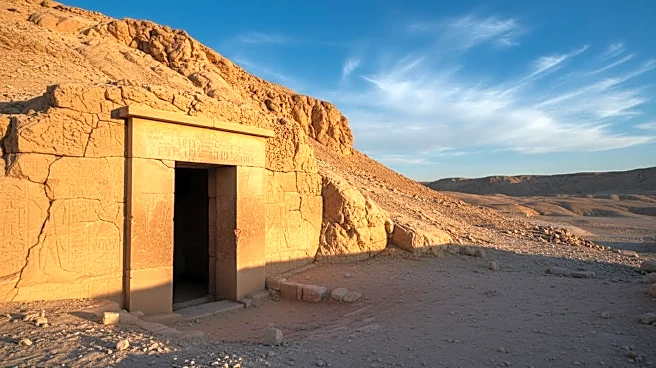
Archaeologists have uncovered a 3,000-year-old tomb near Luxor, Egypt, identified as belonging to a man named Paser. The discovery was made by a Dutch archaeological team from Leiden University in the Sheikh Abd el-Qurna necropolis on Luxor's West Bank.
The tomb, dating back to the Ramesside period, features inscriptions and architectural elements typical of the New Kingdom era. The team plans to continue studying the site to learn more about the individuals buried there and the historical context. This find is part of ongoing efforts by Egypt to promote archaeological discoveries to enhance tourism, a vital source of foreign currency for the country.
Why It's Important?
The discovery of the tomb is significant for Egypt's tourism sector, which relies heavily on its rich archaeological heritage. By unveiling new finds, Egypt aims to attract more tourists, thereby boosting its economy. The tomb's historical value also contributes to the understanding of ancient Egyptian culture and burial practices. For the global archaeological community, such discoveries provide insights into the Ramesside period, enriching the narrative of ancient civilizations. The ongoing research and potential future findings could further enhance Egypt's position as a key destination for cultural tourism.
What's Next?
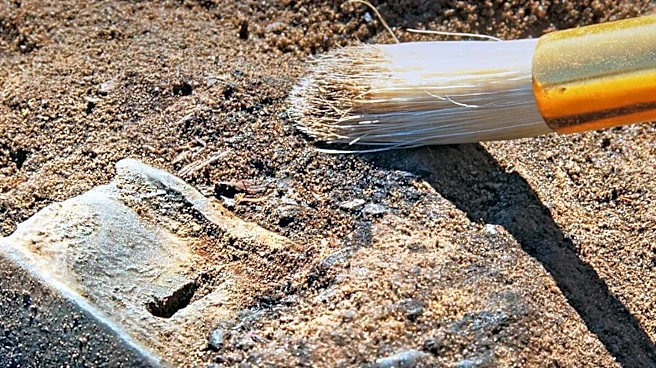
The archaeological team will continue to document and study the tomb to uncover more details about its occupants and historical significance. The Egyptian government is likely to promote this discovery as part of its broader strategy to revitalize tourism. Future exhibitions and publications may arise from this research, potentially drawing international attention and collaboration. The success of these efforts could influence other countries with rich archaeological sites to adopt similar strategies to boost their tourism industries.