




What's Happening?
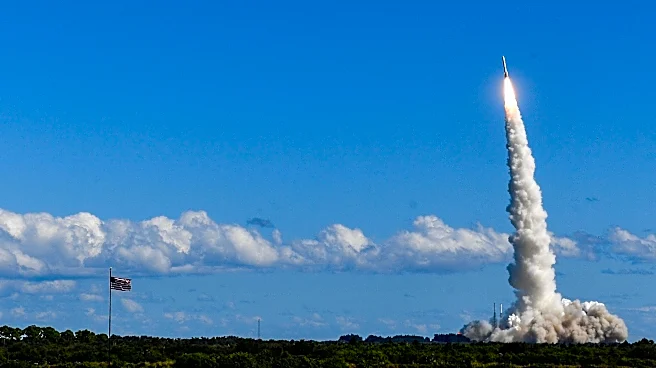
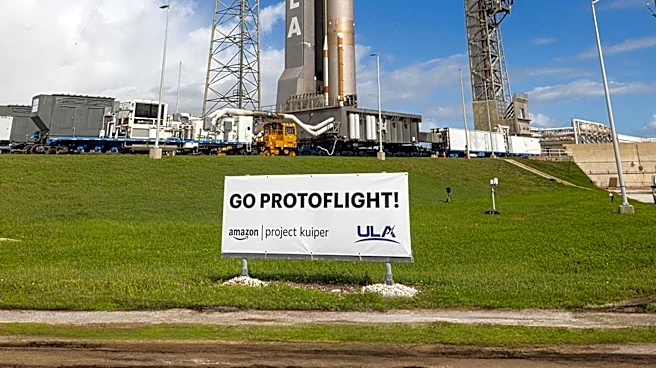
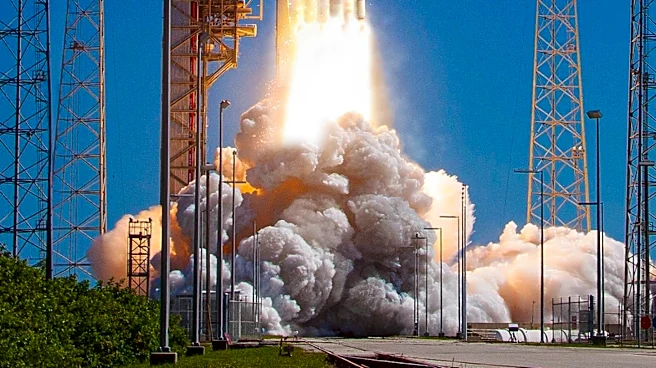
United Launch Alliance’s (ULA) Vulcan rocket experienced a complete mission failure approximately 10 minutes after liftoff from Cape Canaveral Space Force Station in Florida on Sunday, November 15, 2026. The incident, which occurred around 12:50 p.m.
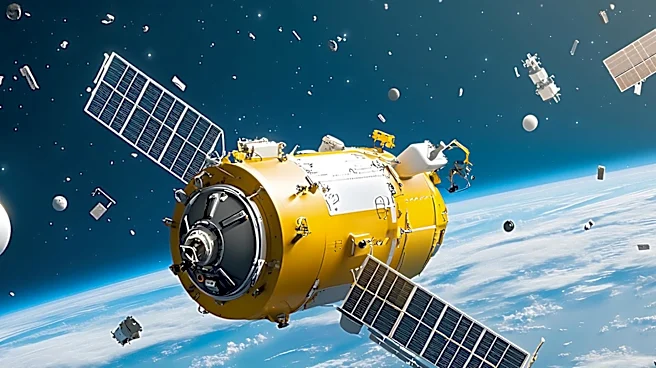
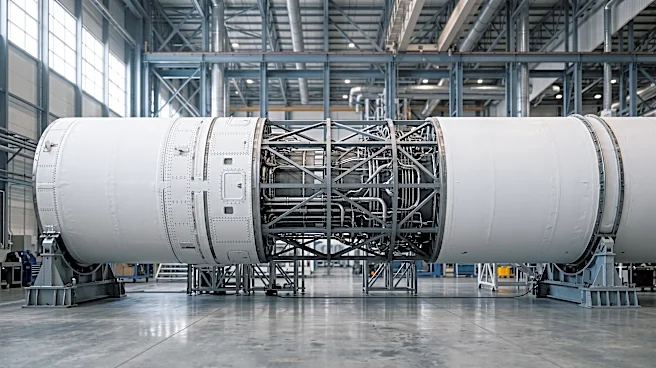
EST, resulted in the destruction of 40 Amazon Leo broadband satellites. This marks the first full mission failure in ULA's 20-year history. The rocket's two BE-4 engines, manufactured by Blue Origin, continued operating for at least 30 seconds beyond their expected shutdown time, and the rocket appeared to spin before its Centaur V upper stage separated. Although the upper stage's engines ignited, they were unable to correct the trajectory. Engineers are currently investigating the cause, with initial indications pointing to a problem in the booster stage. This failure comes after previous technical concerns with Vulcan's solid rocket boosters and a ground-test explosion involving Blue Origin's New Glenn rocket, which uses the same BE-4 engines.
Why It's Important?
The failure of the ULA Vulcan rocket carries significant implications for both commercial space endeavors and U.S. national security. For Amazon, the loss of 40 Leo satellites and the potential for a prolonged grounding of Vulcan threaten its efforts to build a satellite internet network to compete with SpaceX's Starlink. Amazon has 37 additional Vulcan launches booked, and delays could severely impact its deployment schedule. From a national security perspective, Vulcan is a critical component of the U.S. military's launch strategy, contracted to carry approximately half of its national security space missions. The U.S. Space Force had not yet cleared Vulcan for national security launches following earlier booster problems, and this incident could lead to further transfers of missions to SpaceX, raising concerns about overall U.S. launch capacity. The investigation's findings, particularly regarding the BE-4 engines, could also indirectly affect NASA's Artemis lunar exploration program, as Blue Origin's New Glenn, which uses the same engines, has planned missions to support lunar lander development.
What's Next?
ULA engineers, in collaboration with Blue Origin, will conduct a thorough investigation to identify the exact failure mechanism and implement corrective measures. This investigation could ground the Vulcan rocket for several months, delaying both commercial and national security missions already assigned to it. The U.S. Space Force will closely monitor the investigation's progress, and further reassignment of national security missions to SpaceX may become necessary if the grounding is extended. Amazon will need to assess the impact on its satellite deployment schedule and potentially explore alternative launch providers, although options are becoming constrained as SpaceX transitions to Starship and other providers face their own technical setbacks. The outcome of this investigation will be crucial for ULA to restore confidence in Vulcan's reliability and determine its future role in the U.S. space launch landscape.
Beyond the Headlines
This incident highlights the inherent risks and complexities of space launch technology, even for established players like ULA. The reliance on a limited number of launch providers and engine manufacturers, such as Blue Origin's BE-4 engines, creates a single point of failure that can have cascading effects across multiple programs, from commercial satellite constellations to critical national security missions. The competitive landscape of the space industry, particularly the race to deploy satellite internet networks, puts immense pressure on launch schedules and reliability. This failure could intensify the debate around diversifying launch capabilities and investing in redundant systems to ensure resilience in space access. Furthermore, it underscores the delicate balance between innovation and reliability in a sector where technological advancements are rapid but the consequences of failure are substantial.