





What's Happening?
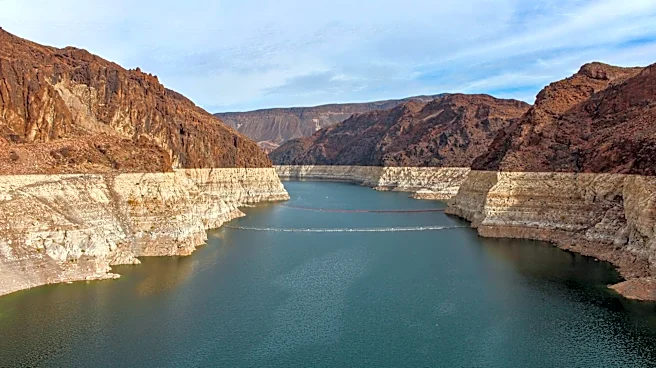
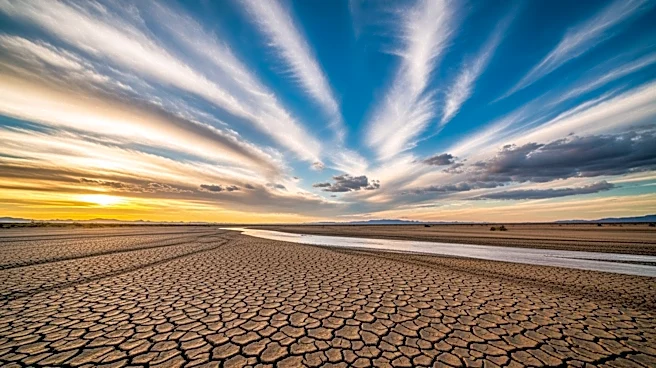
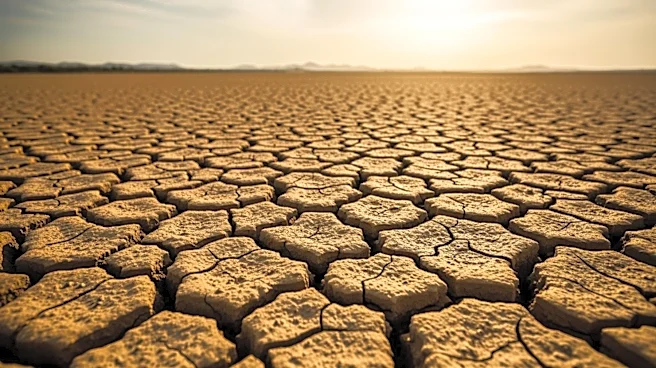
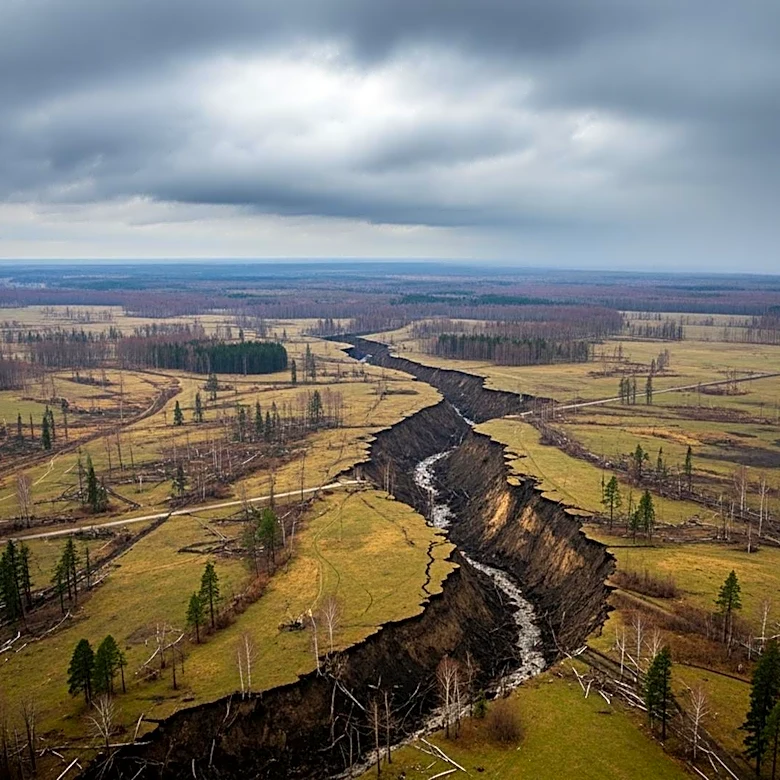
A new U.S. Drought Monitor map reveals that large areas of the country are experiencing 'extreme' to 'exceptional' drought conditions. The most severe droughts are affecting parts of the West, Plains, South, and Southeast. This development comes amid
unusually warm conditions, with the past year marking the warmest 12-month period on record for the contiguous U.S. The drought monitor uses a five-level scale to categorize drought severity, with 'exceptional' being the most severe. The current drought conditions are impacting water availability and agricultural productivity across multiple regions.
Why It's Important?
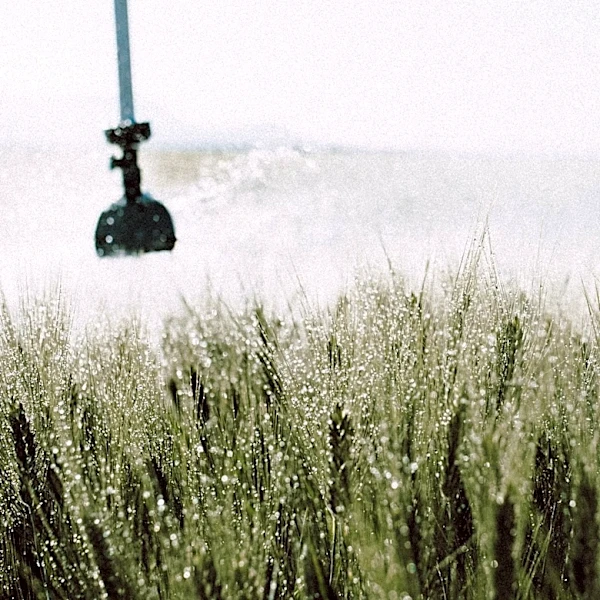
The widespread drought conditions have significant implications for agriculture, water resources, and rural communities across the affected regions. Farmers and ranchers are facing challenges due to reduced water availability, which can lead to crop damage and strain on groundwater supplies. The drought also poses risks to local economies that rely on agriculture and can lead to increased costs for water and food. Additionally, the drought conditions highlight the broader impacts of climate change, as rising temperatures contribute to more frequent and severe droughts.
What's Next?
The Climate Prediction Center's seasonal drought outlook suggests that drought conditions are expected to persist and expand in many areas, particularly in the northern and western parts of the West. However, some improvement is anticipated in the Four Corners region due to enhanced monsoon activity. In the central and eastern U.S., mixed conditions are expected, with some areas seeing drought improvement due to increased rainfall. It is crucial for policymakers and communities to implement strategies to manage water resources effectively and mitigate the impacts of drought.
Beyond the Headlines
The ongoing drought conditions underscore the need for long-term solutions to address water scarcity and climate resilience. Investments in water infrastructure, conservation practices, and sustainable agriculture can help mitigate the impacts of drought. Additionally, the situation highlights the importance of climate adaptation strategies to support vulnerable communities and ecosystems. As climate change continues to influence weather patterns, proactive measures are essential to ensure water security and agricultural sustainability.